Table of Contents
Mechatronics opens up more roles and opportunities across various industries. Robotics particularly focuses on fewer, often higher-paid positions in autonomous systems and AI.
Mechatronics blends mechanical, electronics, software and control engineering. Robotics is simply a specialization built on those foundations.
India is installing nearly 10,500 industrial robots in 2025, which is up 15% YoY, sixth globally. This makes both paths sit on strong growth.
New to Robotics? Start from the Basics. Join Now!
Key Takeaways
- Mechatronics covers mechanical, electronics, software and controls. Robotics focuses on autonomous machines.
- Mechatronics offers broader roles. Robotics enables deeper AI and perception specialisation with faster salary growth.
- India’s robot installations grew ~27% yearly (2020–2025), lifting demand for both.
- Skills matter more than degree – ROS2/Python opens robotics. PLC skills open factory automation.
- GCC roles favour PLC/SCADA. R&D/startups favour robotics and AI portfolios.
Mechatronics vs Robotics Engineering: What is the Difference?
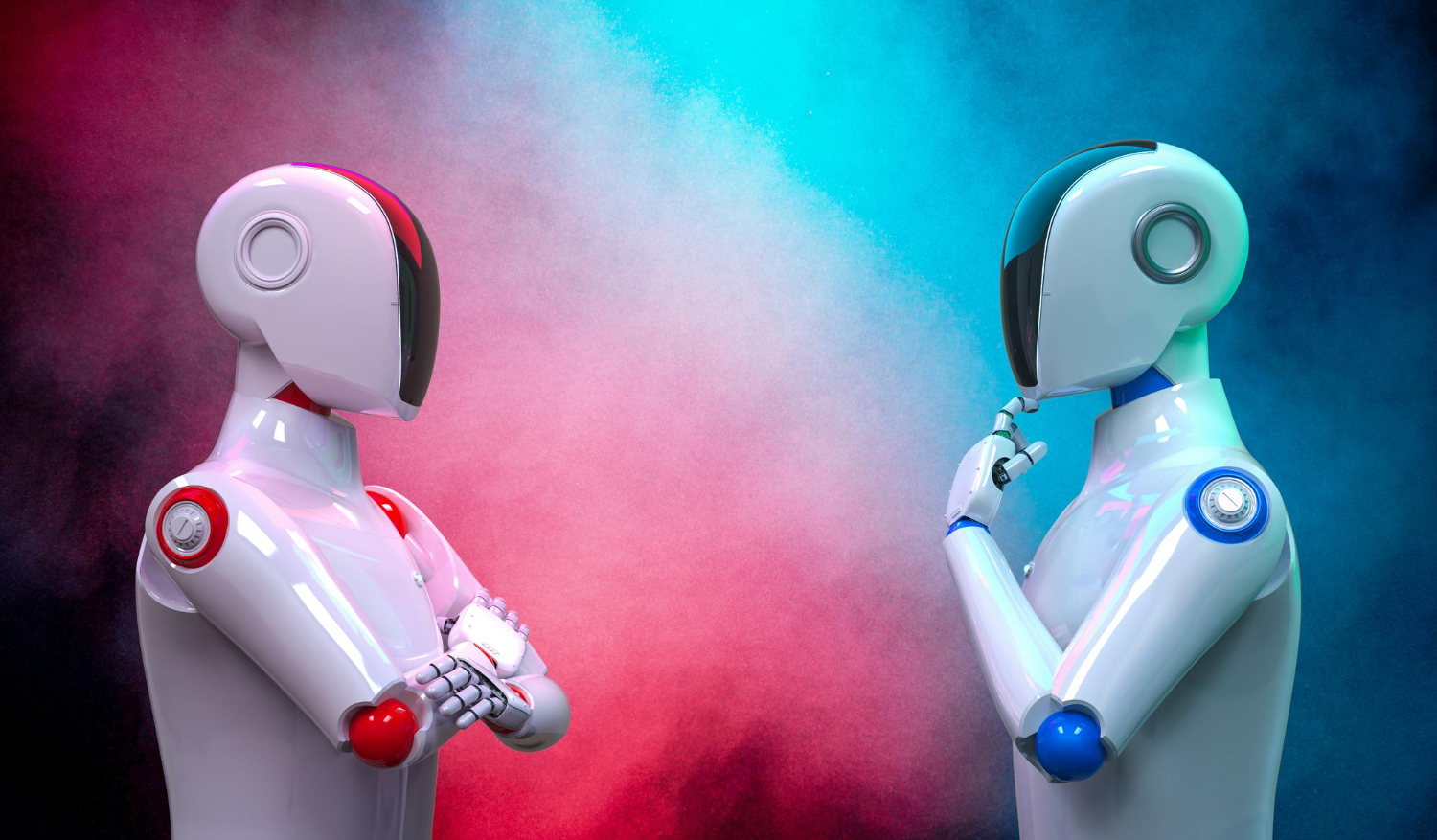
Mechatronics is systems thinking. You make sure that the sensors, actuators, firmware and mechanical structures work as one product.
Robotics is task thinking. You make a machine perceive its surroundings, plan and carry out an action on its own.
Every robot is a mechatronic system. But not every mechatronic product such as a washing machine, a CNC controller, an EV battery management unit, is a robot.
| Dimension | Mechatronics Engineering | Robotics Engineering |
| Scope | Broad: mechanical, electronics, embedded, control, software | Focused: kinematics, perception, motion planning, AI |
| Typical projects | Smart appliances, CNC systems, PLC-based lines, EV electronics | Robotic arms, mobile robots (SLAM), surgical and humanoid robots |
| Key tools | MATLAB/Simulink, SolidWorks, PLC (Siemens, Allen-Bradley), Embedded C, IoT platforms | ROS2, Gazebo, MoveIt, Python/C++, OpenCV, PyTorch |
| Career flexibility | High: automation, embedded, product design, IoT | Moderate: strong in robotics and AI, may need upskilling for general embedded roles |
| Further studies | M.Tech in Automation/Control, MBA, MS Mechatronics abroad | M.Tech/MS Robotics, AI and ML specialisations |
| Best for | Students who enjoy building complete intelligent products | Students who enjoy making machines move, think and act |
Master Robotics and AI!
Ready to build the future? Join our comprehensive robotics course to bridge the gap between complex code and physical motion. You’ll gain hands-on experience giving you the technical edge needed to lead in the age of automation.
Know MoreDegrees and Curriculum in India
Mechatronics is the more widely offered degree. One college-listing platform counts 183 B.Tech Mechatronics colleges in India, of which 161 are private and 15 are government.
Dedicated B.Tech Robotics (or Robotics and AI) programmes are fewer. However, they are growing at IITs and at private universities such as VIT, SRM and Manipal.
Many colleges also offer robotics as an elective or specialization inside mechanical, electronics or computer science branches.
The first two years look similar almost everywhere:
- Engineering mathematics
- Physics
- Basic electrical and electronics
- Programming (C and Python)
- Mechanics
- Digital logic
The split comes in the final two years, and exact electives differ from one university to another.
| Final-year focus | Mechatronics | Robotics |
| Core electives | Industrial automation and PLC, sensors and instrumentation, embedded systems | Robot kinematics and dynamics, computer vision, motion planning |
| Tools and labs | CAD/CAM, rapid prototyping, IoT and Industry 4.0 | ROS and Gazebo simulation, AI for autonomous systems |
| Typical capstone | Smart IoT-enabled product | Autonomous robot or manipulator |
Tip:
Always check the syllabus, not just the degree name. A “Mechatronics” course with strong ROS and AI electives can prepare you for robotics better than a weak “Robotics” course.
Job Market Snapshot: India and Global Demand
The demand signal is strong. IFR’s World Robotics 2026 report, released on 24 September 2026, shows that factories worldwide installed more than 600,000 industrial robots in 2025. It also stated that the global operating stock reached a record 5 million units.
India installed almost 10,500 units, and its annual installations have grown about 27% a year on average since 2020.
More robots on factory floors mean more people to design, integrate, program and maintain them. Mechatronics and automation engineers are mostly needed for integration and controls in
- Automotive
- Electronics
- FMCG
- Warehousing plants
Robotics engineers are more concentrated in
- R&D centres
- Robotics startups
- Defence
- Logistics automation
- Medical devices
Kerala has its own example. iHub Robotics, a Kochi-based humanoid robotics company, was founded by three friends from Kerala who studied mechatronics engineering. It builds robots in-house and has also exported its Tara service robot to the UAE and Saudi Arabia.
Salary Comparison: Mechatronics vs Robotics in India (2026)
Published salary figures vary widely by source, city and employer. So, treat the ranges below as realistic bands rather than promises.
| Career stage | Mechatronics Engineer | Robotics Engineer |
| Fresher (0–2 years) | Roughly ₹4–7 LPA | Roughly ₹4–8 LPA at product firms and startups |
| Mid-career (1–8 years) | About ₹7–11 LPA in many listings | About ₹8–18 LPA for robotics and automation specialists |
| Senior or specialist | ₹13 LPA and above after 8+ years | ₹14–24 LPA reported for robotics engineers, skewed upward by AI and machine learning roles |
Robotics roles involving computer vision, ML deployment and “physical AI” pay the most. An M.Tech or MS in robotics can lift starting packages. Your software depth influences salary more than the name on your degree.
Master Robotics and AI!
Ready to build the future? Join our comprehensive robotics course to bridge the gap between complex code and physical motion. You’ll gain hands-on experience giving you the technical edge needed to lead in the age of automation.
Know MoreCareer Paths and Job Roles
| Mechatronics roles | Robotics roles |
| Automation Engineer (PLC, SCADA) | Robotics Software Engineer (ROS, navigation) |
| Embedded Systems Engineer | Perception Engineer (LiDAR, camera fusion) |
| Product Design Engineer | Motion Planning Engineer |
| Controls Engineer (PID, motion control) | AI-Robotics Researcher |
| Systems Integration Specialist | Field Robotics Engineer (deployment, calibration) |
India vs GCC: Where Each Degree Fits
India:
Robotics hiring clusters in Bengaluru, Pune, Hyderabad, Chennai and NCR, with Kochi emerging through startups. Mechatronics roles are spread across manufacturing belts in Tamil Nadu, Maharashtra, Gujarat and Karnataka.
GCC:
The UAE’s Operation 300bn aims to lift manufacturing’s contribution to GDP from about AED 133 billion to AED 300 billion by 2031. This points to steady demand for automation and controls talent.
Saudi Arabia’s Vision 2030 industrial push adds warehouse automation and smart-factory projects. Employers here often look for PLC/SCADA and instrumentation skills first.
So mechatronics graduates with Siemens or Rockwell exposure tend to have an easier entry. Robotics graduates should target integrators and OEMs (such as ABB, KUKA or Fanuc) with a strong ROS2 and vision portfolio.
Skills to Build
| Goal | Must-have skills | Nice-to-have | Useful certifications |
| Mechatronics | Embedded C, PLC, SolidWorks, Python, IoT protocols | MATLAB/Simulink, SCADA, CAD/CAM | Siemens PLC, Certified SolidWorks Associate |
| Robotics | ROS2, Python/C++, Linux, OpenCV, basic ML | Gazebo, MoveIt, Docker, CUDA | NVIDIA Jetson AI, robotics specialisations from recognised universities |
Which Should You Choose?
Choose Mechatronics if:
- You want options across automotive, medical devices, consumer electronics and manufacturing.
- You enjoy end-to-end product development, from concept to commissioning.
- You plan to work in GCC manufacturing, oil and gas instrumentation or smart buildings.
Choose Robotics if:
- You are drawn to autonomous systems, AI and machines that “think”.
- You are aiming at R&D labs, startups, defence, space or humanoid robotics.
- You are comfortable with linear algebra, probability and heavy coding.
New to Robotics? Start from the Basics. Join Now!
Conclusion
Mechatronics and robotics can be simply considered as the two ends of the same ladder. While Mechatronics offers you a wider job market, Robotics strengthens your career with a sharper specialization. This includes strong AI skills that ensures a higher salary ceiling.
India’s robot installations are growing quickly. Gulf industrial programmes are also expanding further. So, the smartest move would be to choose the syllabus that matches your interest. Then build projects, internships and certifications that prove you can deliver.
Master Robotics and AI!
Ready to build the future? Join our comprehensive robotics course to bridge the gap between complex code and physical motion. You’ll gain hands-on experience giving you the technical edge needed to lead in the age of automation.
Know MoreFrequently Asked Questions
What is the main difference between mechatronics and robotics engineering?
Mechatronics integrates mechanical, electronic, software and control engineering to build intelligent products across industries. Robotics focuses on machines that perceive, decide and act autonomously.
Which pays more in India?
Robotics roles with AI, vision or ML skills usually pay more at mid and senior levels, while fresher packages for both are fairly close. Salaries vary a lot by employer, city and skill set.
Is robotics engineering a subset of mechatronics?
In practice, yes. Robotics applies mechatronic principles to autonomous machines, so robotics engineers need mechatronics fundamentals.
Can a mechatronics engineer work in robotics?
Yes, especially with ROS2, Python, computer vision and motion planning skills. Many robotics teams hire mechatronics graduates for controls, sensor integration and commissioning.
Can a robotics engineer work in automation or embedded roles?
Yes, though some upskilling in PLC, SCADA or embedded C may help. These skills make the switch much smoother.
Which is better for GCC jobs?
Mechatronics with PLC/SCADA skills often has the easier entry into manufacturing, HVAC and oil and gas automation roles. Robotics demand is growing through logistics, warehouse automation and smart-factory projects.
Which skills should I learn first?
Start with Python or C, basic electronics and CAD. Then add PLC or ROS2, depending on the path you choose.
Do I need a master's degree?
Not always, since a B.Tech plus solid projects can land good roles. An M.Tech or MS helps for R&D, research and top robotics roles.
Which companies hire these engineers?
Automation firms such as Siemens, ABB, Bosch and Fanuc, automotive makers and robotics startups all hire, as do warehouse automation and medical device companies.
Can I study mechatronics and later specialize in robotics?
Yes, through electives, an M.Tech or MS in robotics, or self-built projects. This is one of the most common routes into the field.