Table of Contents
You can learn embedded systems from YouTube channels. Start with beginner-friendly channels. Learn basic electronics and simple concepts . Then move to intermediate topics step by step. Explore advanced content after building strong basics. Always mix theory with practical projects. This helps you understand concepts better.
This blog lists the best YouTube channels to follow. It includes beginner, intermediate, and advanced options. You will find tips to choose the right channel. A simple learning roadmap is also included. It helps you learn step by step clearly. This guide makes learning easier and more structured.
Kickstart your embedded systems career and turn your tech passion into high-demand skills!
Key Takeaways:
- Start with beginner-friendly electronics channels.
- Learn C programming and microcontroller basics early.
- Use multiple channels for better understanding.
- Build projects regularly to gain real skills.
- Choose channels based on your learning level.
- Consistency and practice improve learning speed.
Introduction
Embedded systems are used in many modern devices today. They power cars, phones, and smart home systems. Many industries depend on embedded technology daily. Learning this skill can open many career opportunities. It is a valuable and growing technical field.
YouTube makes learning embedded systems easier and accessible. Many channels provide free and practical tutorials. Beginners can start without expensive courses. Learning becomes flexible and self-paced. You can learn anytime and anywhere easily.
🎯 Why Learn Embedded Systems
- High industry demand.
- Used in automotive and electronics.
- Growing demand in IoT field.
- Strong career opportunities.
- Roles like embedded engineer.
- Good salary potential.
- Practical learning.
- Build real hardware projects.
- Improve problem-solving skills.
This guide helps you start learning correctly.

Background / Context
Embedded systems combine hardware and software together. They are designed for specific tasks only. These systems run inside everyday electronic devices. They control how devices function and respond. Learning them needs both coding and electronics basics.
⚙️ Role in Modern Technology
Embedded systems are important in modern technology. They are used in many industries today. Devices become smarter using embedded programming. Automation depends on these systems widely.
- Real-world usage.
- Used in cars and home appliances.
- Used in medical and industrial devices.
📈 Growing Industry Demand
Demand for embedded systems is increasing fast. Many industries need skilled engineers today. Growth in IoT increases job opportunities.
- Expanding applications.
- Smart devices are increasing daily.
- Automation systems are widely used.
🧠 Required Knowledge
Learning embedded systems needs basic skills. Both programming and electronics are important.
- Programming basics.
- Learn C or embedded programming.
- Electronics basics.
- Understand circuits and components.
This background helps understand the topic clearly.
Master Embedded Systems Programming!
Launch your tech career with our Embedded Systems Course, designed for hands-on learning and industry readiness.
Know MoreBest YouTube Channels to Learn Embedded Systems
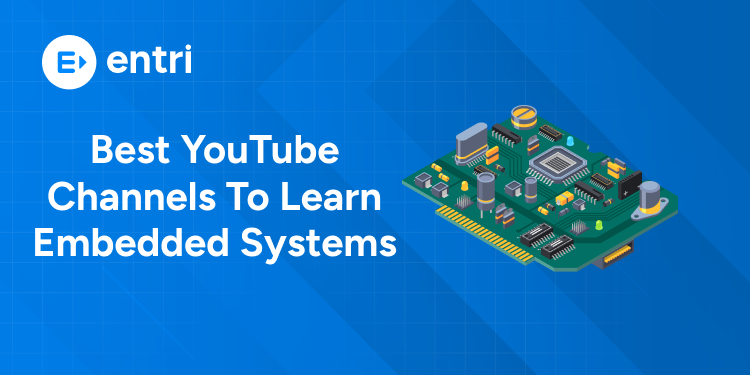
Learning embedded systems from YouTube is very effective. Many channels offer clear and practical explanations. Some focus on basics, while others teach advanced topics. Using a mix of channels improves learning. Start with simple content first. Then move to deeper and complex topics. This approach builds strong understanding over time.
🟢 Beginner-Friendly Channels
Start with beginner channels for strong basics. These channels explain concepts in simple language. They focus on electronics and basic projects.
-
GreatScott!
- Explains electronics in simple ways.
- Shows practical experiments clearly.
- Good for understanding core basics.
-
ElectroNoobs
- Focuses on simple beginner projects.
- Uses easy explanations and visuals.
- Helps build early confidence.
-
Afrotechmods
- Teaches electronics step by step.
- Covers basic components clearly.
- Good for complete beginners.
-
EEVblog
- Covers electronics fundamentals in detail.
- Explains real-world engineering concepts.
- Good for deeper basic understanding.
These channels help build a strong foundation. They make learning simple and interesting. Beginners should spend time practicing along with videos.
🟡 Intermediate-Level Channels
Move to these channels after learning basics. These focus on programming and microcontrollers. They help build real embedded system skills.
-
FastBit Embedded Brain Academy
- Focuses on C programming and embedded concepts.
- Provides structured learning playlists.
- Good for understanding microcontrollers deeply.
-
Andreas Spiess
- Covers IoT and embedded applications.
- Explains real-world projects clearly.
- Helps connect theory with practice.
-
Paul McWhorter.
- Teaches Arduino and embedded basics.
- Uses step-by-step tutorials.
- Good for hands-on learning.
-
DroneBot Workshop.
- Covers Arduino, Raspberry Pi, and IoT.
- Provides detailed project explanations.
- Good for practical learning.
These channels improve coding and system understanding. They help learners build practical skills. Regular practice is very important at this stage.
🔵 Advanced-Level Channels
Advanced channels focus on deeper technical topics. These include debugging, system design, and optimization. Learn from these after gaining strong basics.
-
Phil’s Lab
- Covers advanced embedded design topics.
- Explains PCB design and debugging.
- Useful for professional-level learning.
-
Ben Eater
- Explains low-level hardware concepts.
- Builds systems from scratch.
- Helps understand how systems work internally.
-
MIT OpenCourseWare
- Provides university-level lectures.
- Covers deep theoretical concepts.
- Good for strong academic understanding.
-
Shawn Hymel
- Covers embedded and RTOS concepts.
- Explains advanced programming topics.
- Good for deeper system knowledge.
These channels help learners master advanced skills. They improve problem-solving and system design knowledge.
📌 How to Use These Channels Effectively
- Follow a learning order.
- Start with beginner channels.
- Move to intermediate and advanced levels.
- Practice regularly.
- Build small projects after learning.
- Apply concepts in real situations.
- Use multiple channels.
- Learn different approaches.
- Improve overall understanding.
- Stay consistent.
- Learn daily for better results.
- Avoid long gaps in learning.
Using these channels properly improves skills faster. This approach builds strong embedded systems knowledge step by step.
Comparison of Top Embedded Systems YouTube Channels
Different channels offer different learning styles and depth. Some focus on basics and simple explanations. Others focus on projects and advanced concepts. Comparing all channels helps choose the right one. It also helps plan your learning path better.
🎯 Key Comparison Factors
- Learning level.
- Beginner, intermediate, or advanced focus.
- Helps match your current knowledge.
- Content type.
- Theory or practical project-based learning.
- Some channels combine both styles.
- Teaching style.
- Simple explanations or deep technical content.
- Visual learning or structured lectures.
📋 Channel Comparison Table
| Channel | Level | Focus | Style |
|---|---|---|---|
| GreatScott! | Beginner | Electronics basics | Practical |
| ElectroNoobs | Beginner | Simple projects | Visual |
| Afrotechmods | Beginner | Electronics basics | Step-by-step |
| EEVblog | Beginner | Electronics concepts | Detailed |
| FastBit Academy | Intermediate | Programming | Structured |
| Andreas Spiess | Intermediate | IoT projects | Practical |
| Paul McWhorter | Intermediate | Arduino basics | Step-by-step |
| DroneBot Workshop | Intermediate | IoT and hardware | Project-based |
| Phil’s Lab | Advanced | Embedded design | Technical |
| Ben Eater | Advanced | Hardware systems | Deep learning |
| MIT OpenCourseWare | Advanced | Theory | Academic |
| Shawn Hymel | Advanced | RTOS and embedded | Technical |
How to Choose the Right Channel Based on Your Goal
Choosing the right channel depends on your learning goal. Different goals need different types of content. A clear goal helps you learn faster and better. It also reduces confusion during learning.
🧠 Learning for Basics
- Start with beginner channels.
- Focus on simple explanations.
- Learn electronics and basic concepts.
- Avoid complex topics early.
- Build strong foundation first.
⚙️ Learning for Projects
- Choose project-based channels.
- Follow step-by-step tutorials.
- Build small working projects.
- Practice regularly.
- Apply concepts while learning.
💻 Learning for Programming
- Focus on coding channels.
- Learn C and microcontrollers.
- Understand embedded logic clearly.
- Solve coding problems.
- Improve problem-solving skills.
This table helps you select the right channel easily. It connects your goal with the best channel choice.
📋 Channel Selection Based on Goals
| Channel | Best For | Who Should Choose |
|---|---|---|
| GreatScott! | Electronics basics | Complete beginners |
| ElectroNoobs | Simple projects | Beginners learning by doing |
| Afrotechmods | Basic concepts | Beginners needing clear explanations |
| EEVblog | Detailed electronics | Beginners wanting deeper basics |
| FastBit Embedded Brain Academy | C programming | Learners focusing on coding |
| Andreas Spiess | IoT projects | Intermediate learners |
| Paul McWhorter | Arduino basics | Beginners and intermediate learners |
| DroneBot Workshop | Hardware projects | Hands-on learners |
| Phil’s Lab | Advanced design | Advanced learners |
| Ben Eater | Low-level systems | Learners interested in deep concepts |
| MIT OpenCourseWare | Theory | Academic learners |
| Shawn Hymel | RTOS and advanced topics | Career-focused learners |
🎯 How to Use This Table
- Identify your learning goal first.
- Choose channels matching your level.
- Combine two or more channels if needed.
This helps you learn efficiently and clearly.
Master Embedded Systems Programming!
Launch your tech career with our Embedded Systems Course, designed for hands-on learning and industry readiness.
Know MorePractical Learning Roadmap Using These Channels
A clear roadmap helps you learn step by step. It avoids confusion and saves time. Use the right channels at each stage. Practice regularly while following this path.
🟢 Step 1: Learn Electronics Basics
Start with basic electronics concepts first. Focus on simple explanations and visual learning.
- Use GreatScott!.
- Learn components and circuits clearly.
- Watch simple experiments and explanations.
- Use Afrotechmods.
- Understand voltage, current, and resistance.
- Learn fundamentals step by step.
- Practice basics.
- Identify components in circuits.
- Build simple breadboard projects.
🟡 Step 2: Start Simple Projects
Move to beginner project-based learning next. This improves understanding and confidence.
- Use ElectroNoobs.
- Follow simple project tutorials.
- Build basic circuits and devices.
- Use Paul McWhorter.
- Learn Arduino programming basics.
- Build small working projects.
- Practice projects.
- Create LED and sensor projects.
- Test and modify your designs.
🔵 Step 3: Learn Programming and Microcontrollers
Now focus on coding and embedded logic. This step builds core embedded skills.
- Use FastBit Embedded Brain Academy.
- Learn C programming clearly.
- Understand microcontroller concepts.
- Use Andreas Spiess.
- Explore IoT and real applications.
- Connect hardware with software.
- Practice coding.
- Write small programs daily.
- Test code on microcontrollers.
🟣 Step 4: Build Real-World Projects
Apply your skills to real projects now. This improves practical understanding.
- Use DroneBot Workshop.
- Build advanced hardware projects.
- Learn system integration.
- Practice building.
- Combine sensors and modules.
- Create useful applications.
🔴 Step 5: Learn Advanced Concepts
Focus on deeper topics after strong basics. This prepares you for professional work.
- Use Phil’s Lab.
- Learn debugging and PCB design.
- Use Shawn Hymel.
- Study RTOS and advanced programming.
- Use MIT OpenCourseWare.
- Understand theory in depth.
- Practice advanced skills.
- Debug and optimize projects.
- Improve system performance.
This roadmap helps you learn embedded systems effectively.
Advantages and Concerns
Learning embedded systems from YouTube has many benefits. It is free and easily accessible for everyone. You can learn at your own pace anytime. Many channels provide practical and visual explanations. This helps improve understanding quickly. You also get access to different teaching styles.
✅ Advantages
- Free learning resources.
- No cost for most content.
- Easy access anytime.
- Flexible learning.
- Learn at your own speed.
- Repeat lessons when needed.
- Wide variety.
- Many channels and topics available.
⚠️ Concerns
- Lack of structure.
- No fixed learning path.
- Can cause confusion.
- Requires discipline.
- Self-motivation is important.
- Quality varies.
- Not all content is reliable.
Choosing the right channels reduces these concerns.
Practical Career Impact
Learning embedded systems from YouTube can support your career growth. It helps build practical skills needed in real jobs. Many companies value hands-on experience and project work. Skills learned can be applied in different industries.
🎯 Career Opportunities
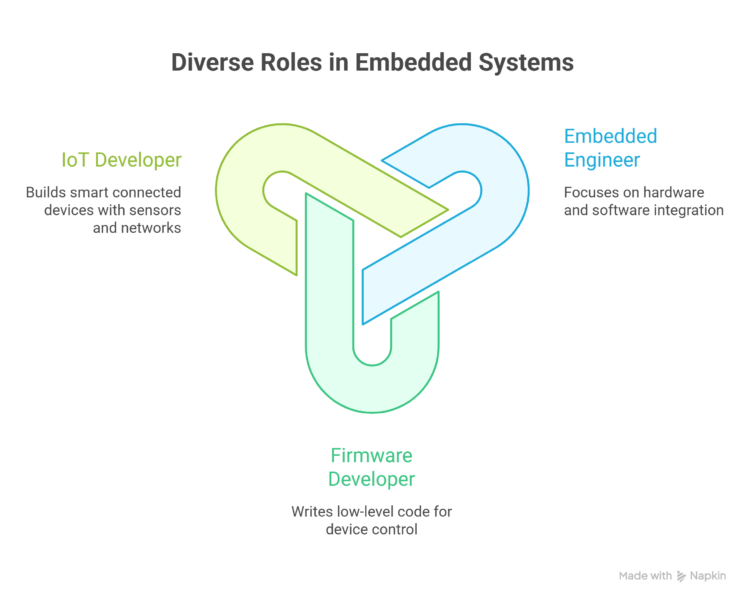
- Embedded engineer roles.
- Work on hardware and software systems.
- Build and test embedded applications.
- Firmware developer roles.
- Write low-level system code.
- Handle device control and performance.
- IoT developer roles.
- Build smart connected devices.
- Work with sensors and networks.
📈 Career Growth
- Strong skill demand.
- Used in automotive and electronics industries.
- Growing demand in IoT sector.
- Portfolio importance.
- Projects show real skills.
- Improve job opportunities.
Consistent practice leads to better career outcomes.
Conclusion
Learning embedded systems from YouTube is simple and useful. You can start with basic concepts easily. Then move to advanced topics step by step. The right channels make learning clear and smooth. Practical projects help you understand better. Small steps lead to steady progress.
Stay consistent and practice every day. Follow a clear roadmap while learning. Choose channels based on your level and goals. Try building projects regularly for better skills. Do not rush the process. Keep learning and improving slowly. Start today and grow your skills with time.
Master Embedded Systems Programming!
Launch your tech career with our Embedded Systems Course, designed for hands-on learning and industry readiness.
Know MoreFrequently Asked Questions
Can I learn embedded systems from YouTube?
Yes, many YouTube channels offer quality learning content. Consistent practice is needed to build real skills.
Which YouTube channel is best for beginners?
Channels like GreatScott! and ElectroNoobs are good for beginners. They explain basics in simple ways.
Do I need programming knowledge for embedded systems?
Basic C programming is very important. It helps you understand microcontroller behavior clearly.
How long does it take to learn embedded systems?
Learning time depends on consistency and practice. Beginners may take several months to build strong skills.
Are projects important while learning?
Yes, projects help apply concepts in real situations. They improve confidence and problem-solving skills.
Can I get a job after learning from YouTube?
Yes, jobs are possible with strong skills and projects. A good portfolio improves hiring chances.
What tools are required to start learning?
Basic hardware kits like Arduino are useful. You also need coding software tools.
Is embedded systems difficult to learn?
It may feel difficult at the start. Regular practice makes it easier over time.
Should I follow multiple YouTube channels?
Yes, using multiple channels improves understanding. It provides different learning perspectives.
Which industries use embedded systems?
Embedded systems are used in automotive and electronics. They are also used in IoT and smart devices.