
Table of Contents
Acne-prone skin can get pimples easily. Simple skin care can help keep your skin clean. You do not need many products.
You can start your day with face wash, moisturizer and sunscreen. Before going to bed, wash your face, use acne care if needed, use moisturizer.
Common Causes of Acne
Acne can happen for many reasons. Pimples can come when the pores get blocked.
Too Much Oil
Your skin makes oil. Sometimes it makes too much oil. This oil can block the pores and can cause pimples.
Dead Skin
Old skin cells can stay on your skin. They can mix with oil. This can block the pores.
Blocked Pores
Pores are tiny openings in your skin. Oil and dead skin can block them. Blocked pores can cause acne.
Hormone Changes
Hormones can change in the body. These changes can make more oil. More oil can cause pimples.
Touching Your Face
Your hands can have dirt. Touching your face can move dirt to your skin. Try not to touch your face often.
Popping Pimples
Do not pop your pimples. It can make them worse. It can also leave marks.
Stress
Stress can affect some people’s skin. It may make acne worse. Try to rest and sleep well.
Sweat
Sweat can stay on your skin. It can mix with oil and dirt. Wash your face after heavy sweating.
Wrong Skin Products
Some products may not suit your skin. They may block your pores. Choose simple products for acne-prone skin.
Family History
Acne can run in families. You may get acne if your family members also had it.
Master Advanced Skincare, Makeup, Hair, and Salon Management. Enrol Now!
How to Identify Acne-Prone Skin
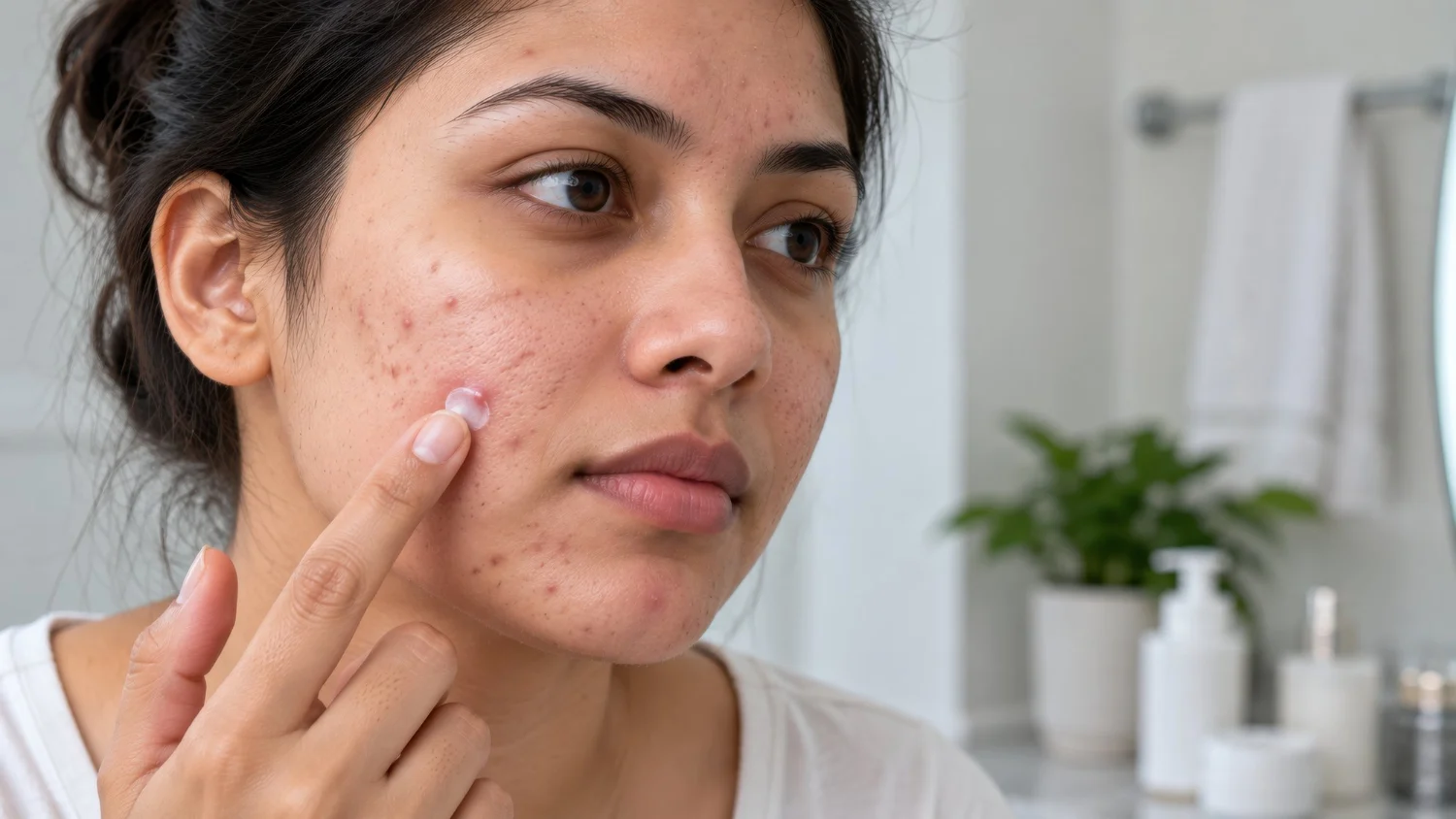
Acne-prone skin gets pimples easily. You may see pimples many times. Here are some easy signs.
Pimples Often
You get pimples again and again. They may come back after some days.
Oily Face
Your face may have too much oil. Your skin may look shiny.
Black Spots
You may see small black spots. These are called blackheads. They can come on your nose or forehead.
White Bumps
You may see small white bumps. These are called whiteheads. They can happen when pores are blocked.
Small Bumps
You may have many small bumps. They can be on your face. They may not hurt.
Pimples Keep Coming
One pimple may go away. Then another pimple may come. This can happen often with acne-prone skin.
Red Pimples
Some pimples may look red. They may also feel sore. Do not touch or squeeze them.
Acne Marks
Pimples can leave marks. Picking pimples can make marks worse.
Master Makeup, Hair & Skincare to Build Your Beauty Identity
Unlock your creative potential with our expert-led Beauty & Wellness course. Build in-demand beauty skills and step confidently into the world of beauty!
Your Beauty Career Starts Here!Morning Skincare Routine for Acne-Prone Skin
Morning skin care can be very simple. It helps keep your face clean. You do not need many products.
Step 1: Wash Your Face
Wash your face in the morning. Use a gentle face wash. It helps remove:
- Oil.
- Dirt.
- Sweat.
Wash your face softly. Do not rub hard.
Step 2: Use Acne Care
Use your acne cream or gel if you need it. Use it as your doctor tells you. Apply only a little. Do not use too many acne products.
Step 3: Use Moisturizer
Use a light moisturizer. It helps keep your skin soft. Choose one that suits your skin.
Step 4: Use Sunscreen
Use sunscreen during the day. It helps protect your skin from the sun. Choose a sunscreen that suits acne-prone skin.
Simple Morning Steps
Follow these steps:
- Wash your face.
- Use acne care if needed.
- Use moisturizer.
- Use sunscreen.
Night Skincare Routine for Acne-Prone Skin
Night skin care is easy. It helps clean your face before sleep. You do not need many products.
Step 1: Wash Your Face
Wash your face at night. Use a gentle face wash. It helps remove:
- Oil.
- Dirt.
- Sweat.
Do not rub your face hard.
Step 2: Remove Makeup
Remove makeup before bed. Do not sleep with makeup on. Wash your face after removing it.
Step 3: Use Acne Care
Use your acne cream if needed. Follow the product instructions. Do not use too much.
Step 4: Use Moisturizer
Apply a light moisturizer. It helps keep your skin soft. Choose one that suits your skin.
Step 5: Keep Your Pillow Clean
Use a clean pillowcase. Change it often. This helps keep your sleeping area clean.
Step 6: Do Not Touch Your Face
Try not to touch your face. Do not scratch pimples. Do not pop pimples.
Simple Night Steps
Follow these steps:
- Remove makeup.
- Wash your face.
- Use acne care if needed.
- Use moisturizer.
- Go to bed with clean skin.
Best Ingredients for Acne-Prone Skin
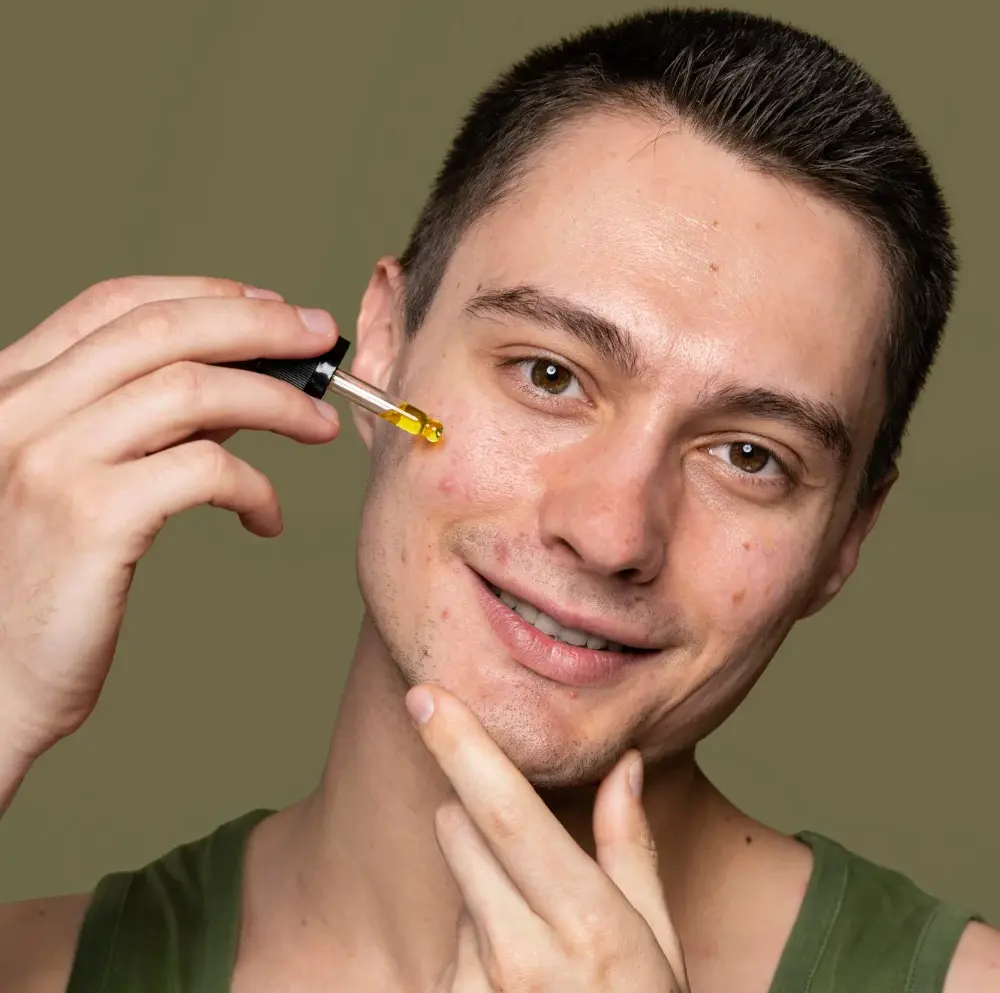
Some ingredients can help acne-prone skin. They can help with pimples. They can also help with oily skin and blocked pores.
Salicylic Acid
Salicylic acid can help clean the pores. It can remove extra oil. It can also remove dead skin.
Benzoyl Peroxide
Benzoyl peroxide can help reduce pimples. It can help fight bacteria. It may help with red pimples.
Niacinamide
Niacinamide can help control oil. It can help calm the skin. It may help reduce redness.
Azelaic Acid
Azelaic acid can help with pimples. It can also help with acne marks. It may help make the skin look clearer.
Hyaluronic Acid
Hyaluronic acid helps add moisture. It can help keep the skin soft. It can be useful for dry skin.
Ceramides
Ceramides help protect the skin. They help keep moisture in the skin. They can help dry skin feel better.
Master Makeup, Hair & Skincare to Build Your Beauty Identity
Unlock your creative potential with our expert-led Beauty & Wellness course. Build in-demand beauty skills and step confidently into the world of beauty!
Your Beauty Career Starts Here!Ingredients to Avoid if You Have Acne-Prone Skin
Some ingredients may not suit your skin. They may make your skin dry. They may also make your skin red or sore. Choose simple and gentle products.
Strong Fragrance
Some products have a strong smell. This may irritate your skin. Your skin may become red or itchy. Choose products with less fragrance.
Strong Alcohol
Some products have alcohol. It can make your skin dry. Your face may feel tight. Choose gentle products.
Heavy Oils
Some oils are thick. They can make your face oily. They may not suit acne-prone skin. Choose light products.
Thick Creams
Some creams are very thick. They can feel heavy on your face. They may not suit oily skin. Use a light moisturizer.
Rough Scrubs
Some scrubs are rough. They can hurt your skin. They can make pimples worse. Do not scrub your face hard.
Strong Essential Oils
Some essential oils can irritate your skin. They may cause redness. They may also cause burning. Use them carefully.
Too Many Acids
Too many acids can hurt your skin. Your skin may become dry. It may also become red. Do not use many acid products together.
Strong Exfoliators
Strong exfoliators can make your skin dry. They can also cause irritation. Use gentle products.
How to Choose the Right Products for Acne-Prone Skin
Choosing skin care products can be simple. You do not need many products. Choose products that are gentle on your skin.
Choose a Gentle Face Wash
Use a gentle face wash. It helps clean your face. It removes:
- Oil.
- Dirt.
- Sweat.
Do not use a face wash that makes your skin very dry.
Choose a Light Moisturizer
Use a light moisturizer. It helps keep your skin soft. It can help with dry skin. Choose one that suits your skin.
Choose a Good Sunscreen
Use sunscreen during the day. It helps protect your skin from the sun. Choose a sunscreen that feels light. Choose one that suits acne-prone skin.
Read the Label
Check the product label before buying it. Look for words like:
- Acne-prone skin.
- Oily skin.
- Sensitive skin.
- Gentle.
Do not Buy too Many Products
You do not need many products. Start with:
- Face wash.
- Moisturizer.
- Sunscreen.
Add acne care if you need it.
Try One Product First
Do not try many new products at once. Try one product first. See how your skin feels. Then try another product if needed.
Avoid Strong Products
Some products can hurt your skin. They may make your skin:
- Dry.
- Red.
- Sore.
Choose gentle products instead.
Choose Light Products
Heavy products may feel oily. They may not suit your skin. Choose light creams and lotions.
Check Your Skin
Look at your skin after using a product. If your skin feels good, you can continue using it. If your skin burns or becomes very red, stop using it.
Weekly Skincare Tips for Acne Control
Taking care of your skin every week can help keep it clean. Small habits can make your skin care easier. You do not need to do many things.
Keep Your Face Clean
- Wash your face every day.
- Use a gentle face wash.
- Do not wash your face too many times.
Too much washing can make your skin dry.
Change Your Pillowcase
- Change your pillowcase regularly.
- Oil and sweat can stay on it.
- Use a clean pillowcase.
This helps keep your sleeping area clean.
Wash Your Towels
- Use a clean face towel.
- Do not share your towel with others.
- Wash your towel often.
Let it dry properly before using it again.
Clean Your Phone
- Your phone touches your face.
- Dirt can stay on your phone.
- Clean your phone regularly.
This helps keep your phone clean.
Clean Your Makeup Tools
- If you use makeup, clean your brushes often.
- Makeup can stay on the brushes.
Dirty brushes can put oil and dirt on your face.
Do not Scrub Your Face
- Do not scrub your face hard.
- Hard scrubbing can hurt the skin.
Be gentle when washing your face.
Do not Pick Pimples
- Do not touch your pimples.
- Do not pop them.
- Popping can make pimples worse.
It can also leave marks.
Keep Your Hair Clean
- Oil from your hair can touch your face.
- This may make your skin oily.
- Keep your hair clean.
Try to keep oily hair away from your face.
Wash after Sweating
- Sweat can stay on your skin.
- It can mix with oil and dirt.
- Wash your face after heavy sweating.
Use a gentle face wash.
Check Your Skin Products
- Check the products you use.
- Make sure they suit your skin.
Do not keep using a product that causes irritation.
Keep Your Routine Simple
- You do not need many products.
- Use the products your skin needs.
A simple routine is easier to follow.
Common Skincare Mistakes that can Worsen Acne
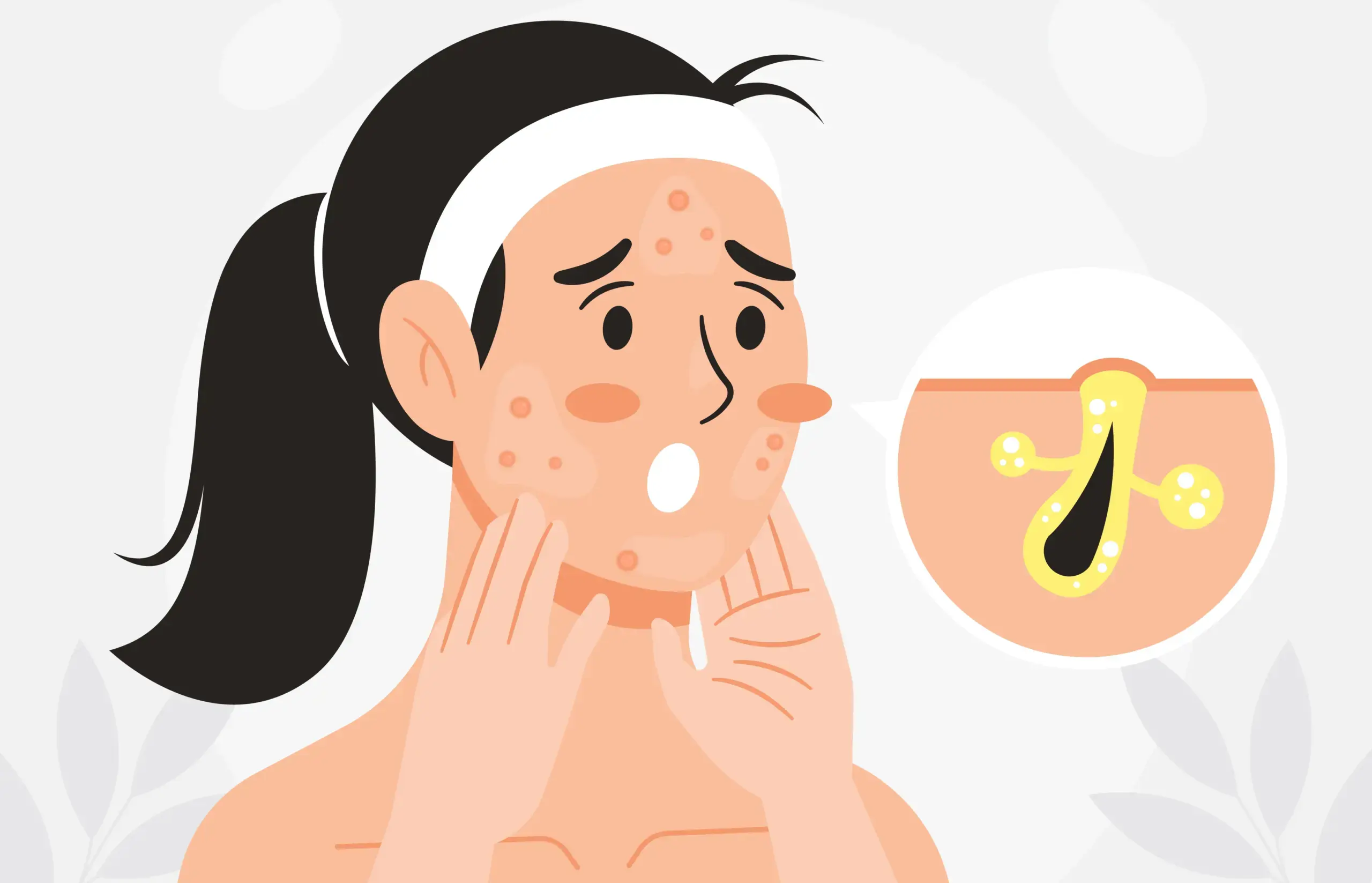
Some skin care mistakes can make acne worse. You may make these mistakes without knowing. Avoiding them can help your skin.
Washing Your Face too Much
- Do not wash your face many times.
- It can make your skin dry.
- Wash your face gently.
Scrubbing Your Face
- Do not scrub your face hard.
- It can hurt your skin.
- It can make pimples worse.
Popping Pimples
- Do not pop your pimples.
- It can make them worse.
- It can also leave marks.
Touching Your Face
- Do not touch your face often.
- Your hands can have dirt and oil.
- This can get on your skin.
Sleeping With Makeup
- Do not sleep with makeup on.
- Makeup can stay on your face.
- Remove it before bed.
Using too Many Products
- Do not use many products at once.
- They can irritate your skin.
- Use only what you need.
Using Strong Products
- Some products can be too strong.
- They can make your skin dry.
- They can also make it red.
- Choose gentle products.
Not Using Moisturizer
- Do not skip moisturizer.
- Your skin can become dry.
- Use a light moisturizer.
Not Using Sunscreen
- Use sunscreen during the day.
- The sun can make acne marks darker.
- Choose one that suits your skin.
Using Dirty Towels
- Do not use a dirty towel.
- It can have oil and dirt.
- Use a clean towel.
Not Changing Pillowcases
- Oil and sweat can stay on your pillowcase.
- Your face touches it at night.
- Change it regularly.
Using the Wrong Products
- A product may not suit your skin.
- It may cause dryness or irritation.
- Choose products that suit your skin.
Master Advanced Skincare, Makeup, Hair, and Salon Management. Enrol Now!
Lifestyle and Diet Tips for Healthier Skin
Your daily habits can affect your skin. Good food and good habits can help your skin. Small changes can help.
Drink Enough Water
Drink water every day. It helps your body stay hydrated. It can help your skin stay fresh.
Eat Fruits
Eat fresh fruits. Fruits give your body useful nutrients. Try different fruits.
Eat Vegetables
Add vegetables to your meals. They give your body important nutrients. Try to eat different vegetables.
Eat Healthy Foods
Choose healthy foods often.
- Fruits.
- Vegetables.
- Eggs.
- Fish.
- Beans.
- Whole grains.
Eat Less Sugar
Try to eat less sugar. Have fewer sweets and cakes. Avoid too many sugary drinks.
Sleep Well
Get enough sleep every night. Sleep helps your body rest. Good sleep can help you feel fresh.
Stay Calm
Stress can affect your skin. Try to relax when you can.You can:
- Walk.
- Listen to music.
- Rest.
- Do things you like.
Exercise
Exercise is good for your body. It can also help you feel good. Wash your face after heavy sweating.
Keep Your Hands Clean
Wash your hands often. Hands can have dirt and oil. Clean your hands before touching your face.
Avoid Smoking
Smoking is bad for your health. It can also affect your skin. Avoid smoking for better health.
Eat Different Foods
Do not eat only one type of food. Eat different healthy foods. This gives your body different nutrients.
Simple Daily Habits
Follow simple habits every day.
- Drink water.
- Eat fruits.
- Eat vegetables.
- Sleep well.
- Exercise.
- Keep hands clean.
- Stay calm.
- Wash your face after sweating.
Good daily habits can help support healthy skin.
Conclusion
Taking care of acne-prone skin can be easy. You do not need many products. A simple routine can help keep your skin clean. Wash your face, use a gentle face wash and a light moisturizer. Then apply sunscreen. Most importantly, drink enough water and eat healthy food. Sleep is equally important.
Do not make the mistake of popping pimples or touching your face frequently. Sleeping with makeup on and using too many products are also damaging practices.
Keep your towel and pillowcase clean. Choose products that suit your skin. Follow your skin care routine every day.
Master Makeup, Hair & Skincare to Build Your Beauty Identity
Unlock your creative potential with our expert-led Beauty & Wellness course. Build in-demand beauty skills and step confidently into the world of beauty!
Your Beauty Career Starts Here!Frequently Asked Questions
What is acne-prone skin?
Acne-prone skin gets pimples easily. It may also have:
- Blackheads.
- Whiteheads.
- Small bumps.
- Oily skin.
How should I wash acne-prone skin?
Wash your face gently. Use a mild face wash. Do not rub your skin hard.
Should I use moisturizer for acne-prone skin?
Yes. Use a light moisturizer. Choose one that suits your skin.
Should I use sunscreen?
Yes. Use sunscreen during the day. Choose one that feels light on your skin.
Can I pop my pimples?
No. Try not to pop or squeeze pimples. It can make them worse and may leave marks.
Can I wear makeup with acne?
Yes. Choose makeup that suits acne-prone skin. Remove all makeup before sleeping.
How can I keep my skin clean?
Wash your face gently. Keep your towel clean. Change your pillowcase often. Do not touch your face too much.
When should I see a doctor for acne?
See a doctor if your acne is severe. You should also get help if it does not improve. A doctor can suggest the right treatment.