Table of Contents
If you’re new to yoga you might be wondering how you’re going to get into the swing of things. But this may not be the case. If this is your first time doing yoga, you may feel this way. Don’t get overwhelmed by the prospect of starting a yoga practice.
The three most crucial things to do when starting yoga are to master some basic positions, breathe correctly, and go at a comfortable pace. They are ranked in order of importance. First of all, you don’t need to be more flexible or experienced than you are.
Begin with what you have. If you want to start practising yoga at home, you just need a little area, some beautiful clothes and a few minutes a day. You just need to take some minutes. It will be a little while from you. You can add this strategy to your routine and slowly build your self-confidence.
Join the best online yoga teacher training program of 2026! Register in Entri Elevate now!
Key Takeaways
- In order to start a yoga practice, you do not require any prior knowledge or skill.
- Start with easy poses and brief exercises. “Calm down. Do that right after you take a few deep breaths.
- In order to form the habit, you need practice it at least twice a week.
- The key is to keep your body out of awkward positions.
- Proceed with your ideas only when you are prepared and assured.
How to Start Yoga for Beginners: A Step-by-Step Guide
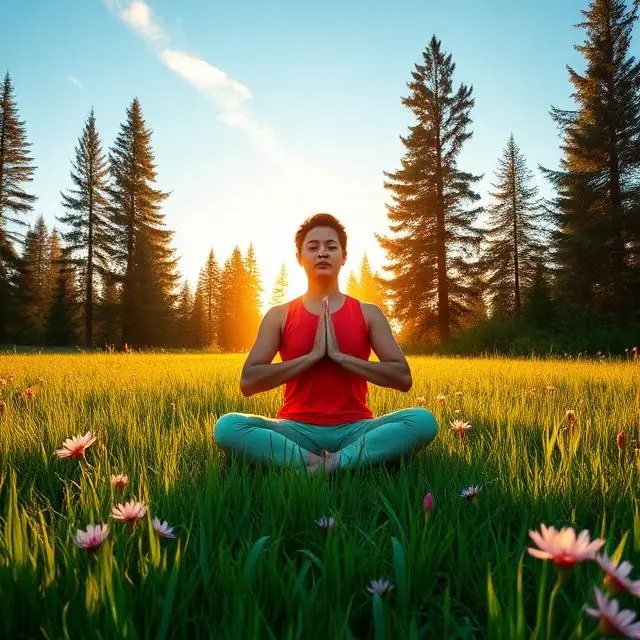
In the beginning stages of your yoga practice, there is a possibility that you will find yoga to be challenging. On the other hand, it is actually a lot simpler than you may think it would be. In order to get a start, it is not required for you to have more experience or to be more flexible like other people.
In order to learn yoga and eventually build a routine that is suitable for you, all that is required is a few minutes of consistent practice, a few fundamental positions, and the capacity to breathe in the appropriate manner.
That is the only thing that is necessary. In this article we are providing a step-by-step guide to start yoga for beginners.
What is Yoga, and Why Should Beginners Try it?
Yoga is a discipline that incorporates all of these characteristics by incorporating mental and physical movement, breathing techniques, and physical postures.
This beginner exercise has the potential to increase a variety of factors, including flexibility, balance, body awareness, strength, and relaxation.
Individuals with varied degrees of physical fitness are able to participate in yoga since many of the positions may be adapted to meet their need.
It is more helpful for beginners to focus on gaining the correct technique rather than immediately attempting to achieve advanced positions. This is because the method you acquire will be more beneficial.
Beginners can benefit from yoga for a number of reasons.
- Enables enhanced movement and flexibility, regardless of the situation
- Promotes the development of equilibrium and coordination in the body
- Contributes to the improvement of the performance of multiple muscle groups
- Provides a deeper understanding of the body as a whole
- Having the ability to help reduce the stress of everyday life
- Taking steps to reduce stress and practicing concentrated breathing are both suggested.
- Assists in the promotion of a lifestyle that is both physically active and healthy
How to Start Yoga from Zero
1: Which of these is the primary goal of yoga practice?
You keep it simple when you start from scratch and you’re not overwhelmed with having to know everything at away.
1. Locate a Comfortable Place
Pick a spot to walk that is clear and calm, where you will not run into furniture or other things. You don’t need a vast room — only enough room to spread your arms and legs comfortably.
2. Begin with short sessions
Better start off with 10 to 15 minutes, instead of trying to practice an hour. The shorter the sessions the easier it is to master the essentials and form a habit.
3. Learn Simple Breathing
Breathe slowly and naturally through the practice. Don’t hold your breath, especially if it’s a tough stance.
4. Practice a few simple poses
It’s a good place to start out with beginner friendly poses like as Mountain Pose, Child’s Pose, Cat-Cow and easy sitting stretches. Discover how each stance feels before moving on to the more demanding poses
5. Technique Practice
A good yoga practice is not about touching your toes or getting into the deepest position possible. Check your breathing, comfort and posture.
6. Begin with Small Steps
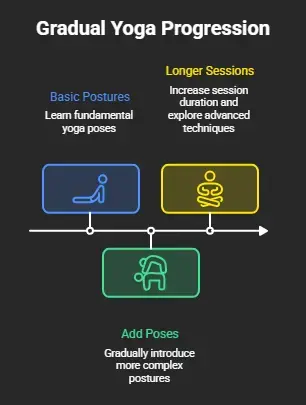
When you are acquainted with basic postures you can add more poses gradually or do slightly longer sessions. You don’t have to jump straight into more complex yoga.
Become a Certified Yoga Instructor
Yoga Teacher Training Course by Entri App: Master authentic yoga techniques, earn certification, and build a successful career as a professional yoga instructor.
Join Now!Basic Yoga Poses for Beginners
Here are some simple poses that beginners can learn:
Mountain Pose
It is also called Tadasana. Positioning yourself in this straightforward standing position can assist you in recognizing your body alignment and teaching you the proper posture. A number of standing exercises can also be prepared for by using it.
Child Pose
It is also called Balasana. This pose is also referred to as Balasana. This is a resting pose that allows the body to relax while also stretching the hips and back in a somewhat more gentle manner.
Cat-Cow Pose
It is also called Marjaryasana-Bitilasana. This allows for the spine to be moved in a moderate manner through flexion and extension, which can assist enhance the mobility of the spine. The spine is capable of doing certain movements; it can do so.
Downward-Facing Dog
It is also called Adho Mukha Svanasana. This exercise not only serves to strengthen the arms and legs, but it also targets the back of the body and offers a mild stretch to the muscles in that area.
Cobra Pose
It is also called Bhujangasana. In this particular stance, the chest is lifted while the body is lying on its stomach. Stretching the front of the body and working the muscles around the back in a gentle manner are both involved.
Easy Pose
It is also called Sukhasana. A relaxed sitting position that is frequently utilized for the purposes of breathing exercises and meditation. In addition to helping the body to rest, it promotes an upright posture of the spine.
How Often Should Beginners Practice Yoga?
It is advisable to start your yoga practice with two to three sessions each week. Each session should last between ten and twenty minutes. Here is the suggested beginning place.
You can increase the amount of time you spend performing it over time or practice more frequently as you become used to it being more comfortable .
It’s more important to maintain a regular routine than to do occasional long workouts. This will assist you meet your fitness goals. Just a fast and moderate practice of the practice is all it takes to get used to the discipline of yoga.
What do You Need to Start Yoga at Home?
To begin practicing yoga, you do not need to purchase any expensive specialized equipment. There are a few straightforward items that you may use to make your practice more comfortable, including the following:
- A yoga mat that provides a surface that is not only stable but also non-slip.
- To wear clothing that is comfortable, you should choose garments that do not create any restrictions on your movement.
- Water should be kept within easy reach at all times, but this is especially crucial for longer periods of time.
- The usage of yoga blocks is beneficial since they allow for the adjustment of positions and the provision of support for the body.
- Make use of a strap to make specific stretches easier to perform and to increase one’s range of motion and flexibility.
- The ability to concentrate and practice in a safe setting is afforded to you by a location that is quiet.
Become a Certified Yoga Instructor
Yoga Teacher Training Course by Entri App: Master authentic yoga techniques, earn certification, and build a successful career as a professional yoga instructor.
Join Now!Common Mistakes Beginners Should Avoid
Common Yoga Mistakes Beginners Make When Starting Yoga
Striving for perfection
Practicing yoga is not a competition. Two qualities that are different from person to person are flexibility and mobility.
Keeping Going Through the Pain
Stretching could feel challenging but if you experience severe or abrupt pain it means you need to either get out of the stance or stop.
Maintaining a Consistent Breath
Keep your breathing normal throughout the session.
Starting With Advanced Poses
Advanced poses can need quite a bit of strength, flexibility, balance and skill. Start with stances that are easier to build a foundation.
The Practice of Comparing Yourself to Others
Do not compare your practice to other persons or films you find on the internet. Take care of your own development.
No Proper Alignment
Knowing some basic alignment will make your practice more pleasurable and help you avoid injuring yourself when you don’t need to.
Tips to Build a Consistent Yoga Routine
There is no requirement that you commit a significant amount of time to physical activity in order to commence a consistent yoga practice. It is crucial to begin with a gentle program that includes yoga into your daily life on a regular basis.
- Initially, you should practice for ten to fifteen minutes, and as you improve, you should perform longer sessions.
- Determine a time that is convenient for you: It is much easier to build habits when you perform the same activities on a daily basis at the same schedule.
- You should get your yoga mat ready in advance. If you want to make sure that you always get on your mat, you should position it in a place where it is easily visible.
- Begin with the most important thing: Make constant practice your top priority rather than attempting to master difficult postures as quickly as possible.
- Follow the example of others who are just starting out: guided courses that are straightforward and efficient will help you stay motivated and on track.
- Pay Attention to the Cues Your Body Gives You: It is of the utmost significance to refrain from motion and refrain from doing anything that causes pain.
- In order to monitor your progress, you should: Over time, you can find that you become more flexible, balanced, strong, or calm. This is something that you might discover.
- Allow yourself a wonderful amount of time. If you find that you are missing a session every once in a while, try not to be too severe on yourself; it will take some time for you to create a regular rhythm.
Join the best online yoga teacher training program of 2026! Register in Entri Elevate now!
Conclusion
To start a yoga practice, you don’t need special skills, a flexible physique, or an expensive yoga mat. All it takes is a strong determination to learn and practice yoga. You can begin incorporating yoga into your life as a regular practice today.
Now is the moment for you to start practicing it. It is recommended that novices begin with easy to do postures, keep healthy breathing and practice for a few minutes at the same time. This idea is aimed to help beginners to gain confidence and consistency in their practice.
If you are willing to make a commitment to practice yoga on a regular basis, it can be an element in your life that will give you rest and happiness. If you’re prepared to make that sacrifice, yoga has it.
Become a Certified Yoga Instructor
Yoga Teacher Training Course by Entri App: Master authentic yoga techniques, earn certification, and build a successful career as a professional yoga instructor.
Join Now!Frequently Asked Questions
Can I start yoga if I am not flexible?
Yes. You do not need to be flexible to begin yoga. Flexibility can gradually improve with regular, comfortable practice.
Can I learn yoga at home?
Yes. Beginners can practise many basic yoga poses at home using a mat and enough space to move safely.
Should I do yoga every day as a beginner?
You do not have to practise every day. Starting with 2–3 sessions per week can be a good way to build consistency.
What is the easiest yoga pose for beginners?
Mountain Pose and Child’s Pose are generally simple starting points. Seated breathing and gentle stretches can also help beginners become comfortable with yoga.
What should I avoid when starting yoga?
Avoid forcing stretches, holding your breath, rushing into advanced poses, or continuing a movement that causes pain. If you have an injury or health concern, ask a qualified healthcare professional before starting.
What is the best time to do yoga?
There is no single best time for everyone. Morning or evening can both work well. Choose a time when you can practise comfortably without rushing.
How long does it take to see benefits from yoga?
The experience varies from person to person. With regular practice, you may gradually notice improvements in flexibility, balance, strength, and relaxation.
Should I eat before doing yoga?
Avoid having a large meal immediately before yoga. If you are hungry, a light snack may be more comfortable before practising.
What should I wear for beginner yoga?
Wear comfortable clothing that allows you to move freely. Your clothes should not restrict movement or make you uncomfortable during different poses.
How can I stay motivated to practise yoga?
Set a simple routine, keep your sessions short, and choose beginner-friendly practices that you enjoy. Focusing on consistency rather than perfection can also help you stay motivated.