Table of Contents
Cadbury Dairy Milk’s “Kuch Khaas Hai” campaign converted an entire country’s idea of chocolate – from a children’s treat to an adult indulgence – using a single 1994 TV commercial. It was built around cricket, spontaneity, and a jingle that outlived its decade.
Piyush Pandey crafted it at Ogilvy & Mather when Cadbury’s chocolate sales had plateaued because adults didn’t see chocolate as “their” product. Its clearest proof of success isn’t a media report. It is that Cadbury revived the same tune and plot nearly 30 years later, in 2021. And the best part is that it still resonated.
Join Our Online Next Gen AI Digital Marketing Course & Learn the Fundamentals!
Key Takeaways
- The real objective wasn’t a sales spike. It was fixing a category problem – adults didn’t see chocolate as an “adult” product.
- The creative insight came from a real 1959 cricket incident. This gives it authenticity in scripted scenarios rarely achieved.
- The tagline and jingle works independently of the visual. This is why the tune outlived the media flight.
- Cadbury didn’t leave the ad to fade into nostalgia. It reused the equity via a 2021 gender-reversed recreation.
- Longevity is the real measure here.
Campaign Snapshot
1: What is the primary goal of SEO (Search Engine Optimization)?
| Detail | Information |
| Brand | Cadbury Dairy Milk (Mondelez India, then Cadbury India) |
| Campaign/Tagline | “Kuch Khaas Hai” / “Asli Swad Zindagi Ka” |
| Year of launch | 1994 |
| Agency | Ogilvy & Mather (O&M), now Ogilvy India |
| Creative lead | Piyush Pandey |
| Director | Mahesh Mathai |
| Jingle vocals | Shankar Mahadevan |
| Category | FMCG — chocolate/confectionery |
| Business problem | Chocolate seen as a “kids-only” product; adult consumption stagnant |
| Notable revival | 2021 gender-reversed recreation, #GoodLuckGirls |
Become an AI-powered Digital Marketing Expert
Master AI-Driven Digital Marketing: Learn Core Skills and Tools to Lead the Industry!
Explore CourseThe Business Problem Behind the Ad
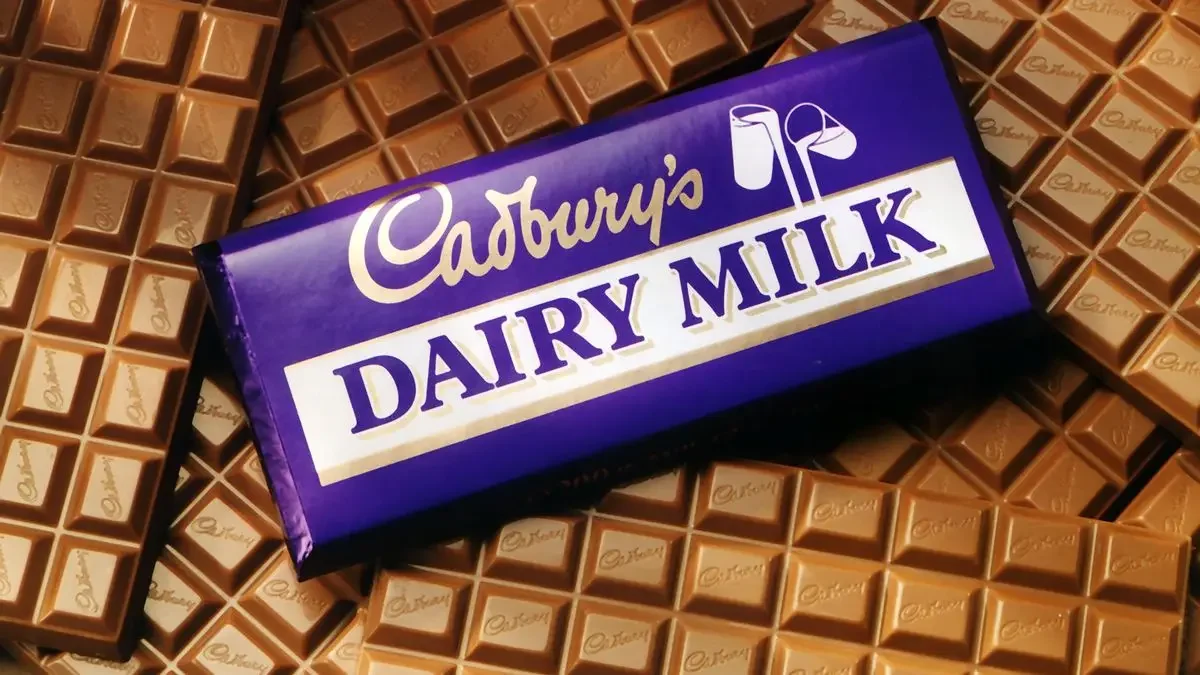
In the early 1990s, Cadbury’s chocolate business in India had hit a ceiling. Chocolate was seen as something you bought for children, not something adults ate themselves.
Traditional Indian celebrations revolved around sweets like laddoos and barfis. This leaves little cultural room for chocolate as a gifting or celebratory product for grown-ups.
Industry retrospectives on Cadbury Dairy Milk’s advertising history consistently point to this “kids’ chocolate” perception as the growth barrier the brand needed to break before “Kuch Khaas Hai” was briefed.
Where the Idea Actually Came from
The creators of the ad did not dream it up in a conference room. Piyush Pandey’s own retelling traces the spark to a real cricket moment from 1959, when a fan ran onto the field and kissed cricketer Abbas Ali Baig mid-innings after a good shot.
Pandey, a cricket enthusiast, had carried that image for years. When Cadbury pushed O&M for sharper work, he combined it with everyday scenes of adults behaving joyfully. This included an uncle enjoying a ride he was “too old” for, an elderly couple chasing a toy car.
That “child in every adult” collage became the creative territory for the film that was directed by Mahesh Mathai.
The Execution: Simple Story, Sticky Jingle
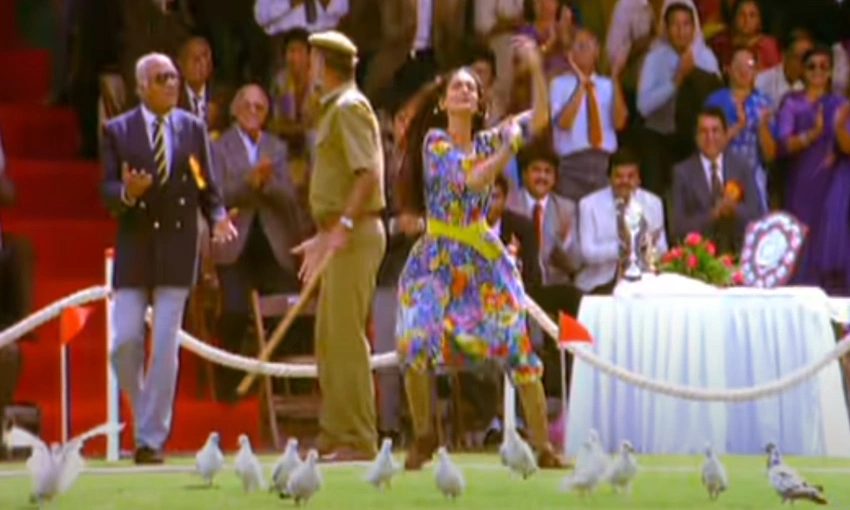
The ad’s plot is deliberately uncomplicated. A batsman scores a match-winning shot, and in the stands, a woman runs onto the field to celebrate with him. All of this is aligns with the “Kuch Khaas Hai” jingle.
The simplicity was intentional. Instead of explaining why adults should eat chocolate, the film showed an adult losing composure in pure joy. Chocolate was simply placed at the centre of that emotion, not the subject of a sales pitch.
This might seem a usual thing right now but that is only because Cadbury made it so with this ad back in 1994.
The jingle, sung by Shankar Mahadevan with contributions from Gary Lawyer and Louis Banks, was written to work as standalone music. This is why “Kuch Khaas Hai Zindagi Mein” is still hummed by people who couldn’t name the brand behind it.
What Changed
| Before the campaign | After the campaign |
| Chocolate positioned as a children’s snack | Chocolate reframed as an everyday adult indulgence |
| No strong tagline recall for Cadbury Dairy Milk | “Asli Swad Zindagi Ka” became a recognisable brand line |
| Category tied to Western/foreign imagery | Campaign used a distinctly Indian moment (cricket) as its emotional anchor |
| Jingles largely forgettable in FMCG advertising | Jingle became independently memorable and re-used decades later |
Become an AI-powered Digital Marketing Expert
Master AI-Driven Digital Marketing: Learn Core Skills and Tools to Lead the Industry!
Explore CourseWhy it Worked: The Strategic Logic
The campaign succeeded because it solved a perception problem with a feeling, and not an argument.
Rather than telling adults “you can eat chocolate too,” the film showed an adult who is already doing something uninhibited and joyful. With chocolate simply present, the audience didn’t need any convincing. This simply reminds of a feeling they already have in them.
This approach echoes across retrospectives on Cadbury’s advertising evolution. The shift from “kids’ chocolate” to “adult indulgence” is consistently credited to this era. It is built as a sequence of connected ideas rather than one burst of activity.
The Long Game: A Campaign that Refused to Age Out
Most ad campaigns have a shelf life measured in months. “Kuch Khaas Hai” is the exception.
- 1994:
Original film airs, built around the cricket-field moment and the “Asli Swad Zindagi Ka” line.
- 2000s–2010s:
The jingle keeps surfacing in pop-culture references and retrospectives, well after the media flight ended.
- 2017:
A viral tweet (a fan claiming her parents inspired the ad) trends organically in Mumbai with near-total positive sentiment – proof the equity survived through word of mouth.
- 2018:
Cadbury references “Kuch Khaas Hai” in its 70th-anniversary storytelling, treating it as a foundational asset, not dated work.
- 2021:
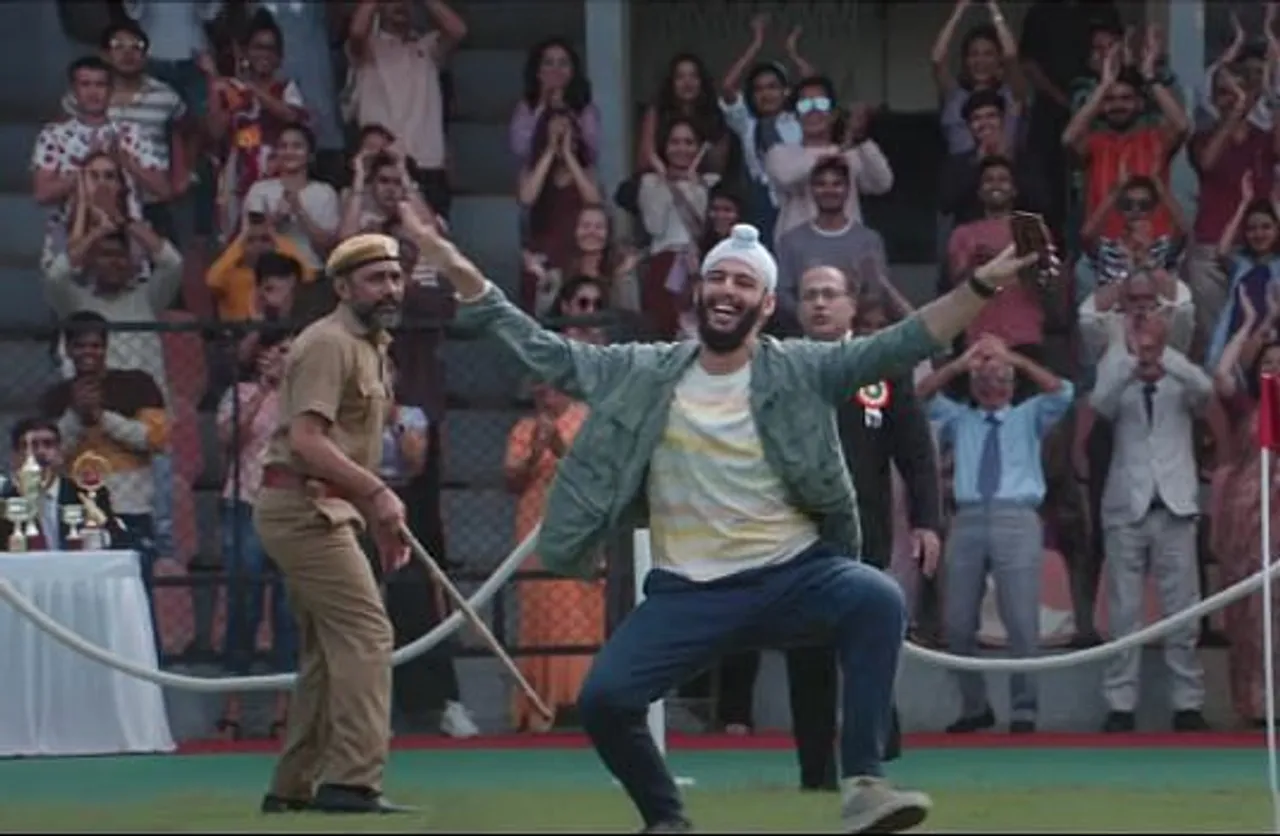
Ogilvy India and Mondelez India recreate the film with a role reversal, retaining the original jingle and releasing it as #GoodLuckGirls under the “Kuch Achha Ho Jaaye” generosity platform.
That 2021 decision signals the campaign’s real value. Cadbury didn’t need a new emotional idea to stay relevant, just a fresh context for one already trusted.
Join Our Online Next Gen AI Digital Marketing Course & Learn the Fundamentals!
What Marketers can Actually Take from this
The transferable lesson isn’t “use cricket” or “write a jingle”. It is that category-level perception problems need emotional reframing, not feature-based persuasion.
Cadbury didn’t list ingredients, price points, or product benefits in this campaign. It changed who the audience believed the product was for, by showing that audience a version of themselves they already recognised.
The brand chose to recreate this exact film – rather than commission a new campaign idea – nearly three decades later. This shows that the original strategic insight of chocolate belonging to everyone’s spontaneous joy was durable enough to repackage. Also, they specifically used to signal contemporary values around gender.
A few extensions for brand teams working on similar repositioning problems:
- Look for a real, specific human moment before reaching for a generic insight. It gives an ad texture invented scenarios rarely achieve.
- Build the audio identity to survive independently of the video. A jingle that works without visuals extends recall past the media flight.
- Treat heritage campaigns as reusable assets, not retired work. A controlled recreation can outperform a brand-new campaign in trust.
- Resist explaining the new positioning literally. Show the feeling and let the audience make the connection.
It is worth remembering the campaign’s author here too. Piyush Pandey, who led this work at Ogilvy and later received the Padma Shri and the LIA Legend Award, passed away in October 2025.
Tributes from India’s advertising world called “Kuch Khaas Hai” a clear example of his style. It is indigenous, emotional, and rooted in everyday Indian life.
Conclusion
“Kuch Khaas Hai” isn’t a case study in media spend or channel mix. There is no public data on impressions or sales lift to analyse, and any case study claiming otherwise is guessing.
What makes it worth studying is different. A single, well-observed human moment, translated into a short story and a jingle, shifted how an entire country thought about a product category. It stayed culturally active for over 30 years without reinventing itself.
For brands sitting on old, well-loved campaigns, the lesson is simple. Before building something new, check whether you are already sitting on an idea worth recreating.
Frequently Asked Questions
What was the tagline used in the campaign?
The tagline was “Asli Swad Zindagi Ka,” while “Kuch Khaas Hai” refers to the jingle and idea running through the film.
What problem was the campaign trying to solve?
Cadbury’s chocolate sales had plateaued because chocolate was seen as a product only for children. The campaign aimed to reposition it as something adults could enjoy freely.
Why is this campaign still remembered decades later?
The jingle was written to work independently of the visuals, so it stayed culturally present after the ad stopped airing. Its recurring use in retrospectives has kept it visible for over 30 years.
Did Cadbury ever recreate the original ad?
Yes. In 2021, Ogilvy India and Mondelez India released a gender-reversed recreation under #GoodLuckGirls, keeping the original jingle sung again by Shankar Mahadevan.
What changed in the 2021 version of the ad?
A female cricketer scores the winning run, with her partner running onto the field to celebrate. It reversed the 1994 roles while keeping the core idea intact.
Is there official data on how much the campaign increased Cadbury's sales?
There’s no publicly available, verifiable data on exact sales or market-share figures tied to this campaign. Its impact is best measured through category repositioning and sustained cultural recall.
How did this campaign change how chocolate was marketed in India?
It shifted chocolate’s positioning from a children’s snack to an everyday adult indulgence tied to joyful moments. This reframing influenced adult-focused messaging across the category afterward.
What role did cricket play in the campaign's success?
Cricket gave the campaign an emotionally resonant, distinctly Indian context audiences could relate to instantly. It grounded an abstract idea, chocolate is for everyone, in a shared cultural moment.
Can this campaign's approach be applied to other product categories?
Yes. Reframing perception through an authentic emotional moment, rather than direct persuasion, applies broadly to categories facing audience misperceptions. It works especially well when a brand needs to expand who a product is “for.”
Where can I watch the original "Kuch Khaas Hai" ad today?
Both the 1994 commercial and its 2021 recreation are available on platforms like YouTube, often alongside retrospectives on Indian advertising. Searching “Cadbury Kuch Khaas Hai 1994” typically surfaces the original film and commentary.