Table of Contents
For steadier salon or clinic jobs and clearer salaried growth, choose cosmetology. Pick makeup artistry for creative, freelance work with faster entry and flexible hours. There are many professionals who are trained in both.
Cosmetology needs longer accredited training and leads to structured roles. Makeup artists, on the other hand, grow income via portfolios, bridal packages, and per-assignment fees. However, entry pay in India is more or less the same.
After a few years, cosmetologists with diplomas can earn ~₹80k to ₹2L/month in clinics/premium salons. Whereas, top bridal/celebrity makeup artists charge ~₹25k to ₹1L+ per booking.
Master Advanced Skincare, Makeup, Hair, and Salon Management. Enrol Now!
Key Takeaways
- Makeup – cosmetic application. Cosmetology – hair, skin, wider treatments.
- Makeup courses 1 to 6 months. Cosmetology 6 to 18 months (accreditation often required).
- Entry pay similar (~₹10k to ₹30k). Cosmetologists with diplomas earn steadier, higher mid‑career wages.
- Makeup income is per assignment – seasonal and variable.
- B&WSSC (NSDC/NCVET) for India. CIDESCO/ITEC/CIBTAC for international work.
- Makeup → creative direction/brand work. Cosmetology → clinic/salon management or training.
- Choose by risk tolerance, training time, and preference for freelance vs structured jobs.
What Each Role Actually does
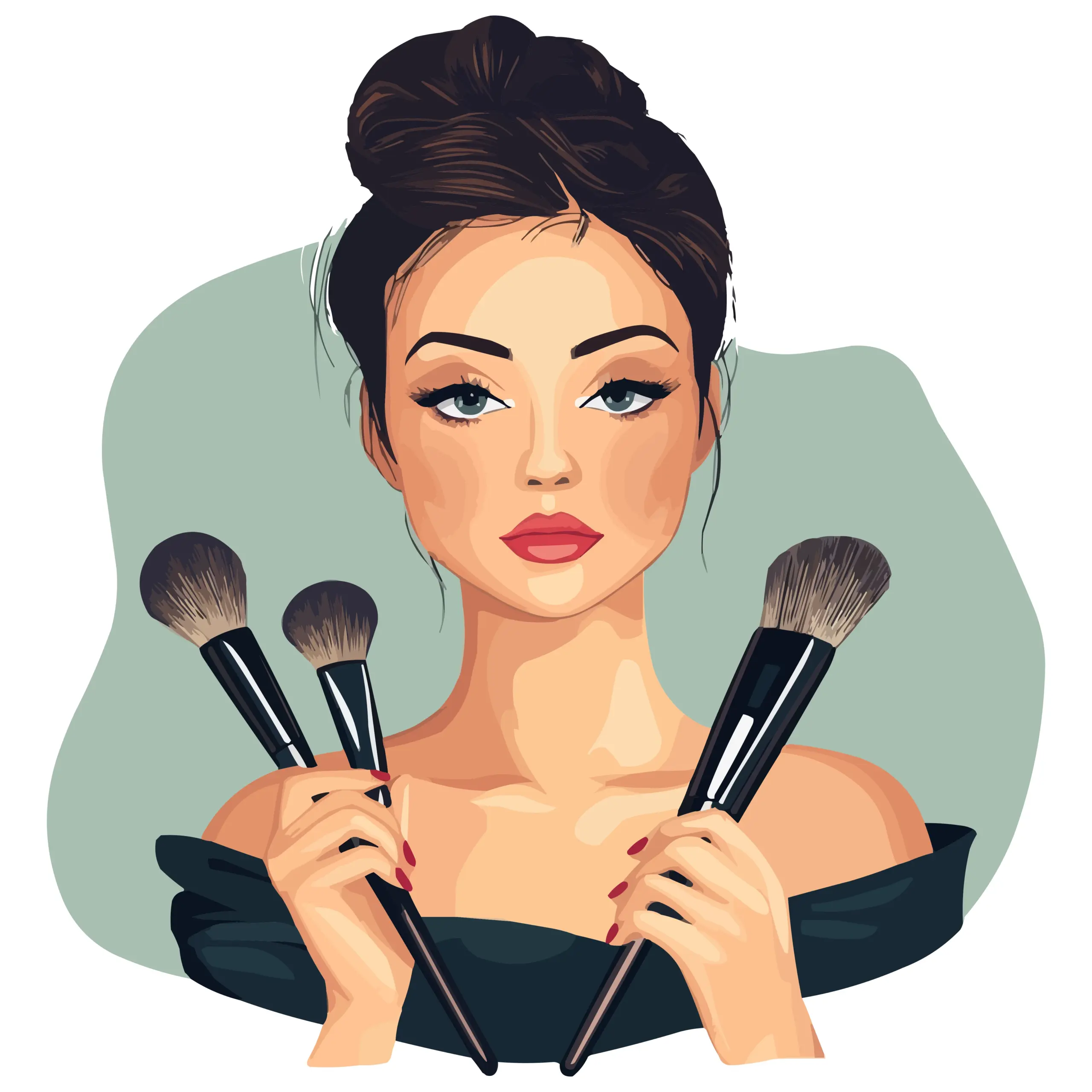
Makeup artists
They sit down with clients, get a feel for what they’re looking for and then prep those skin types.
They do makeup for weddings, events, editorial shoots and even film or television productions. Some even specialize in bridal work, creating those super glam looks, or maybe creating a sick SFX look or even doing a flawless airbrush finish.
The job itself is pretty much client-facing and project based. You will be doing trial sessions, getting out in the field to work on-location and behind the scenes is just as important as the in-front of the camera work.
Most make sure to keep their portfolio sharp by snapping pics of their work on social media to drum up some new bookings.
Cosmetologists
Haircuts, colouring, chemical treatments, facials, waxing, scalp therapies they can do it.
You will usually find them working in salons, medical spas or clinics, although with some extra training they can branch out into medical aesthetics too.
Their day to day is pretty standard. Shifts are usually booked solid with appointments to get through and pretty much every time you have to recommend products and keep up with all the hygiene and chemical safety rules.
And the good news is that with some experience you can move up into a team leader role and help out the newer team members.
At-a-Glance Comparison
| Feature | Makeup Artist | Cosmetologist |
| Scope of work | Makeup for events, bridal, shoots, film, SFX | Hair, skin, facials, chemical treatments, scalp care |
| Training duration | 1–6 months | 6–18 months |
| Regulation | Largely unregulated, portfolio-driven | Often requires certification for chemical/clinical work |
| Typical workplaces | Freelance, studios, film sets, salons | Salons, clinics, medical spas, academies |
| Income model | Per-assignment, packages, hourly | Salary, commission, clinic fees |
| Entry-level pay (India) | ₹10,000–₹30,000/month | ₹12,000–₹25,000/month |
| Peak earning potential | ₹25,000–₹1,00,000+ per bridal booking | ₹80,000–₹2,00,000/month at senior/clinical level |
| Career progression | MUA → Senior MUA → Creative director | Junior → Senior/Manager → Clinic specialist → Trainer/owner |
Master Makeup, Hair & Skincare to Build Your Beauty Identity
Unlock your creative potential with our expert-led Beauty & Wellness course. Build in-demand beauty skills and step confidently into the world of beauty!
Your Beauty Career Starts Here!Training, Certifications, and Costs
Course fees vary widely by
- City
- Institute reputation
- Included practical hours
Do verify the accreditation and placement records before enrolling.
Training Pathways in India
| Pathway | Duration | Typical Cost | Credential |
| Short makeup course | 1–3 months | ₹5,000–₹30,000 | Certificate |
| Advanced makeup diploma | 3–6 months | ₹30,000–₹80,000 | Diploma |
| Cosmetology diploma | 6–18 months | ₹30,000–₹1,50,000 | Diploma/Certificate |
| Beauty therapy / aesthetics | 6–12 months | ₹40,000–₹2,00,000 | Diploma (B&WSSC / CIDESCO-aligned) |
| Govt-recognised (NSDC/B&WSSC) | 6–12 months | ₹10,000–₹60,000 | NCVET-recognised certificate |
| International certification | Varies | ₹50,000 and above | CIDESCO, ITEC, or CIBTAC |
In India, the Beauty & Wellness Sector Skill Council (B&WSSC) is a recognized awarding body under the National Council for Vocational Education & Training (NCVET). It is backed by NSDC. All this sets the standard for most vocational beauty courses.
The B&WSSC has an active partnership with CIDESCO International, the Zurich-based body that is considered the global gold standard in aesthetics and spa therapy. This makes Indian candidates earn internationally recognized credentials without having to train abroad.
For those aiming at Gulf markets, ITEC and CIBTAC are the other options. Also, clinical aesthetics roles in the UAE require additional health-authority approvals.
Skills and Employer Expectations

Makeup artists need
- strong colour theory
- face sculpting
- bridal and photographic techniques
- SFX basics for specialised work
Cosmetologists need
- hair cutting and colouring skills
- facial and scalp treatment knowledge
- a solid understanding of hygiene and chemical safety
This is crucial as they often handle treatments with direct skin contact.
Both makeup artist and cosmetology job roles depend heavily on soft skills. These include client communication, time management, pricing, and basic digital marketing.
Makeup artists lean more on social media and portfolio curation to win bookings. On the other hand, cosmetologists benefit more from retail upselling and, at senior levels, team or clinic management.
Earnings and Job Models
Here is the typical monthly earnings in India
| Role | Entry-Level | Mid-Career | Peak Earning |
| Freelance makeup artist | ₹10,000–₹25,000 | ₹25,000–₹80,000 | ₹25,000–₹1,00,000+ per bridal booking |
| Salon cosmetologist | ₹12,000–₹25,000 | ₹25,000–₹60,000 | ₹80,000+ (senior/manager) |
| Clinic cosmetologist | ₹15,000–₹35,000 | ₹40,000–₹90,000 | Specialist consultation rates |
| Trainer / salon owner | Variable | ₹40,000+ | Scales with business revenue |
City, reputation, and specialization strongly influence how far either career can climb.
Professionals trained at recognized institutes with strong placement records consistently report higher and steadier earnings than those from unaccredited short courses. This gap matters more than raw talent in the first few years.
Master Makeup, Hair & Skincare to Build Your Beauty Identity
Unlock your creative potential with our expert-led Beauty & Wellness course. Build in-demand beauty skills and step confidently into the world of beauty!
Your Beauty Career Starts Here!Pros and Cons
Makeup Artist
Pros:
- Creative, flexible hours
- Low start-up cost
- Fast market entry
- Scalable through brand collaborations
Cons:
- Unpredictable income
- Heavy self-marketing demands
- Seasonal competition
- Physically long event days
Cosmetologist
Pros:
- Broader service range
- Steadier salaried roles
- Clinical career pathways
- Managerial and training options
Cons:
- Longer training period
- Higher setup costs for advanced treatments
- Certification requirements for clinical work
Career Roadmaps
Short Term (0 to 12 months):
Makeup artists complete a foundation course and then assist senior professionals. With this they build a 10 to 20 look portfolio. Cosmetologists complete a salon apprenticeship alongside their diploma.
Medium Term (1 to 3 years):
Makeup artists specialize in bridal, editorial, or SFX work. Cosmetologists move into senior salon roles or specialize in trichology or medical aesthetics.
Long Term (3 to 7+ years):
Both paths can lead to
- opening a studio or academy
- becoming a trainer
- moving into brand or clinic leadership
Market Demand in 2026
The demand for both professions remains high in India, because of the bridal industry and the influencer-led content shoots. Not just that, the fast-growing medical aesthetics and clinic sector are also keeping demand strong.
If you are a cosmetologist with clinical or salon-management skills, you will be able to find steadier, salaried openings. Makeup artists continue to rely on gig-based bookings. But they can scale income quickly by working on a particular niche such as bridal or editorial work.
Beauty and wellness is also one of the more consistent NSDC-aligned sectors for structured vocational hiring. This supports long-term demand for certified professionals in both fields.
Master Advanced Skincare, Makeup, Hair, and Salon Management. Enrol Now!
How to Choose
- Prefer creativity, flexibility, and fast entry → Makeup Artist
- Prefer steady income, clinical work, and a salon/clinic career ladder → Cosmetologist
- Comfortable with 6+ months of structured training → Cosmetologist
- Want to start earning within weeks through portfolio-driven gigs → Makeup Artist
- Not sure yet? Many professionals train in cosmetology first, then specialise in makeup — this widens your service range while keeping options open.
Conclusion
There is no single go-to career that is the best between makeup artistry and cosmetology. The right choice depends on how you want to work.
Cosmetology is for those who want a structured training with regulated credentials. It ensures a steadier salon or clinical income over time. Makeup artistry suits those who want creative freedom and are looking for faster entry. It fits you if you are comfortable building income through bookings rather than a salary.
Many successful beauty professionals eventually blend both. They use a cosmetology foundation to support a specialized makeup practice. Whichever path you choose, do verify an institute’s accreditation, placement record, and alumni outcomes.
Master Makeup, Hair & Skincare to Build Your Beauty Identity
Unlock your creative potential with our expert-led Beauty & Wellness course. Build in-demand beauty skills and step confidently into the world of beauty!
Your Beauty Career Starts Here!Frequently Asked Questions
Is a cosmetologist the same as a makeup artist?
No. Cosmetologists offer broad hair and skin treatments, while makeup artists specialise in makeup application. Their skills often overlap but their core scope differs.
Which career pays more, makeup artist or cosmetologist?
It depends on experience and reputation. Cosmetologists tend to have steadier salaries, while top makeup artists can earn more per bridal or event booking.
Can I work as both a makeup artist and a cosmetologist?
Yes. Many professionals train in cosmetology first for a broader skill base, then specialise in makeup to expand their service offerings and income streams.
Do makeup artists need a licence in India?
Generally no. Makeup artistry is largely unregulated and portfolio-driven, though reputed certification still helps with credibility and client trust.
Do cosmetologists need certification for chemical treatments?
Yes, in most cases. Treatments involving chemicals or skin penetration typically require certification from a recognised body like B&WSSC, CIDESCO, or ITEC.
Which international certifications are most valuable for beauty careers?
CIDESCO is considered the global gold standard, while ITEC and CIBTAC are also widely recognised, particularly for Gulf and European job markets.
Can a makeup artist earn more than a cosmetologist?
At the top end, yes. Established bridal or celebrity makeup artists can out-earn most salaried cosmetologists per assignment, but their income is far less predictable.
What skills matter most for a makeup artist's career growth?
Colour theory, technical application skills, a strong visual portfolio, and social media presence are the biggest drivers of bookings and career growth.
What skills matter most for a cosmetologist's career growth?
Technical proficiency in hair and skin treatments, hygiene discipline, client retention, and progressively, salon or clinic management skills.
Which career should a beginner choose if unsure?
Start with a broader cosmetology foundation if you want flexibility to specialise later, or choose makeup artistry if you already have a strong creative inclination and want faster market entry.