Table of Contents
ANSWER – Shavasana – the Final Piece of the Yoga Puzzle
Shavasana, also known as Corpse Pose, is the ultimate yoga resting position. It’s a beautiful, laid-back yoga posture where you get to lie flat on your back with your arms and legs all relaxed, and let everything just… melt away. Typically this pose is the last thing you do at the end of a yoga class. And let’s face it, after all that stretching, balancing and breathing, it’s the perfect way to unwind. The benefits of Shavasana are amazing – it calms your nervous system, makes stress just melt away, lowers your blood pressure and even helps you get a better night’s sleep. To do it, just lie on your back, close your eyes, breathe naturally, and let your entire body just relax. You can even get some benefits from just 5 minutes of Shavasana.
Key Takeaways – Make the Most of Your Shavasana
1: Which of these is the primary goal of yoga practice?
- Shavasana is that thing you do at the end of yoga class where you get to totally relax.
- It’s all about tapping into your parasympathetic nervous system – that bit that helps you chill out and recover.
- So what’s the payoff from all that chill-time? Less stress, lower blood pressure, better sleep, and a clearer head. Not bad for a few minutes on the floor.
- But here’s the beauty of Shavasana – you don’t need to have any flexibility or strength to do it. Anyone can just lie down and relax.
- As for how long you hang around on the floor, the more experienced you get the longer you can stay – 5 to 20 minutes is a good benchmark.
- Just one thing though – make sure you don’t fall asleep, tense up or rush through it. We’ll talk about common mistakes to avoid a bit later.
Become a Certified Yoga Instructor
Yoga Teacher Training Course by Entri App: Master authentic yoga techniques, earn certification, and build a successful career as a professional yoga instructor.
Join Now!Introduction – Why Shavasana Matters
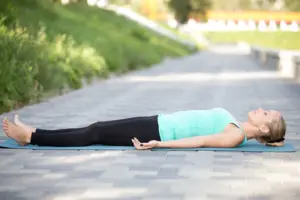
Every yoga class ends the same way – you get to lie down after all the hard work and just let go. Close your eyes, relax, and just breathe. That’s Shavasana. It’s a pose that gets a bad rep – lots of people think it’s just about resting, a bit of a snooze before the real world comes crashing back in. But that’s not the right way to do it.
Shavasana is one of the most important poses in yoga, and it’s not just because it’s relaxing. It’s because it helps your body absorb all the good stuff from your practice – it calms your nervous system, reduces stress, and readies you to go back into life with a clear head and a calm heart. That’s what this guide is all about – what Shavasana is, what it can do for you, how to do it, and some tips on how to get the most out of it.
Join the best online yoga teacher training program of 2025! Register in Entri Elevate now!
What Is Shavasana? – Unpacking the Name
Shavasana is made up of two Sanskrit words – “Shava” means corpse, and “Asana” means pose. So when you put them together, Shavasana means Corpse Pose. That makes sense when you think about the physical position – you do lie flat on your back, like a corpse – but it also says a lot about the mental state you’re in. When you do Shavasana you let go of all the tension and stress, all the thoughts and worries. You become completely still.
You know what makes Shavasana so tricky though? It’s not the lying down bit – anyone can do that. No, the challenge is all about staying awake and aware, even when you’re completely relaxed. It’s like your mind and body are fighting a battle – your mind wants to wander off, and your body wants to get a bit twitchy. Still, with the right mindset, anyone can do it.
Shavasana is often the final pose of a yoga class, but some people like to use it as a standalone relaxation technique. Whenever you use it, the key is to stay focused on the sensation of being completely relaxed, and let everything else just fade away.
Benefits of Shavasana for the Body and Mind
Shavasana brings heaps of benefits to both the physical and mental side of things.
Physical Benefits
Triggers the parasympathetic nervous system. Which is your body’s built-in rest and digest system – it slows down your heart rate, lowers your blood pressure, and helps you recover from a workout or stressful day.
Leaches out muscle tension. We all tend to hold onto some residual tension in our muscles after a yoga class or a tough hike. Shavasana is the perfect chance for them to finally let go.
Helps lower blood pressure. Studies are pretty clear about this one – regular Shavasana practice can help bring your systolic and diastolic blood pressure down. Which is why it’s often recommended for people who are dealing with high blood pressure.
Sorts out your sleep quality. By getting your body into that deep relaxation state, Shavasana helps get your body ready for bed. Regular practice can lead to faster sleep onset and better overall sleep quality.
Reduces exhaustion. By calming down your nervous system, Shavasana gives your body a much-needed rest from all the physical and mental wear and tear it’s been under.
Gives some relief from headaches and migraines. The relaxation response it induces can even cut down on the frequency and intensity of those pesky tension headaches.
Mental Benefits
Takes the edge off stress and anxiety. Shavasana triggers that beautiful relaxation response in you – which means your cortisol levels go down and you feel less stressed out.
Boosts focus and concentration. A calm mind is a clear mind – and Shavasana’s ability to clear out mental clutter really helps improve your focus and concentration.
Increases body awareness. By lying still and working on tuning in to your body, you get a better sense of what’s going on physically – and can identify patterns of tension that you might need to work on.
Helps with emotional balance. This pose essentially gives you some space to think and react – which can really help with emotional regulation.
Is a great mindfulness practice. Shavasana is all about being present in the moment without judgment – and regular practice really helps you hone that skill.
Become a Certified Yoga Instructor
Yoga Teacher Training Course by Entri App: Master authentic yoga techniques, earn certification, and build a successful career as a professional yoga instructor.
Join Now!How to Practice Shavasana Step by Step
Follow these steps to get a proper Shavasana practice going.
Step 1: Lie Down Flat
Kick back on your yoga mat or a firm surface – make sure your legs are straight out and slightly apart, and your arms are by your sides with palms upwards.
Step 2: Get Comfortable
Let your feet sort of fall open naturally – and nudge your head into a comfy position. If you need a bit more support under the back of your head or knees, grab a pillow or two.
Step 3: Close Your Eyes
Shut those peepers – this will help you tune in to what’s going on inside and turn off any distractions outside.
Step 4: Unwind Your Body
Starting at the toes and working your way up, deliberately let go of any tension you’re holding in each part of your body. Legs, hips, tummy, chest, arms, hands, neck and face – give each bit a once over.
Step 5: Just Let Your Breath Happen
Don’t even try to control it – just let your breath happen naturally. Take note of the sensation but don’t worry about trying to make it any better.
Step 6: Stay Awake and Aware
The goal here is to stay relaxed but not out cold – so if your mind starts to wander, gently bring it back to your breath or the sensation in your body.
Step 7: Wind Down
When you finally decide to wrap things up, wiggle your fingers and toes, and get your wrists and ankles moving. Roll onto your side and then slowly start to get up.
Join the best online yoga teacher training program of 2025! Register in Entri Elevate now!
How Long Should You Do Shavasana?
Honestly, it’s up to you – it depends on how much time you have and how much you’re getting into it.
| Experience Level | Recommended Duration |
|---|---|
| Beginners | 5-10 minutes |
| Regular practitioners | 10-15 minutes |
| Advanced practitioners | 15-20 minutes |
| After intense practice | 20 minutes or more |
Even five minutes produces benefits. Start with five minutes and increase gradually. Consistency matters more than duration.
The Best Time to Practice Shavasana
Shavasana can be practiced at different times for a variety of benefits – and the good news is that there’s no one right time. In fact, it’s all about finding what works for you.
Right after your yoga practice is the way most people do it – and for good reason. It lets your body soak up all the good stuff from your session.
Before bed is also a popular choice. Not only does Shavasana help you relax and unwind, but it also makes a great bedtime routine.
Take a break in the middle of a crazy day and try a short Shavasana. I guarantee you’ll feel a lot more focused afterwards.
After a tough workout is another great time to give Shavasana a go – it really helps your muscles recover, and reduces that dreaded soreness.
When you’re feeling totally stressed – when anxiety is through the roof – Shavasana is just what the doctor ordered. It’ll calm that nervous system of yours in no time.
Common Mistakes to Watch Out For in Shavasana
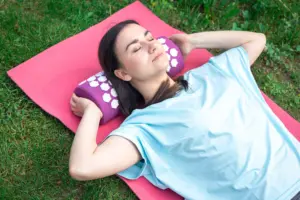
Falling asleep isn’t exactly the point of Shavasana – that’s sleep for you. If you find yourself nodding off, you’re missing out on all the mental benefits.
Don’t go all tense – consciously relax each body part as you go. Don’t hold onto all that stress in your shoulders, jaw, or hands.
Don’t rush through it – give Shavasana its due time. Five minutes is the minimum – anything less and you’re just scratching the surface.
Breathe naturally – don’t try to force it. Let your breath flow as it wants to.
And try not to fidget – itching, adjusting, and moving around will break that all-important relaxation. If you must move, do it slow and then get still again.
Don’t jump out of the pose – moving too quickly from Shavasana to standing can cause dizziness. Ease on out slowly.
It’s okay to have a light snack before giving Shavasana a go on an empty stomach – but if you do feel a bit wobbly, grab a light bite beforehand.
And don’t ignore any discomfort – if your back is giving you grief, put a pillow under your knees. If your neck hurts, support your head.
Who Can Practice Shavasana?
Shavasana is pretty much accessible to anyone.
Beginners don’t need to worry – it requires zero flexibility or strength. Anyone can lie down and get to it.
If you’re pregnant, it’s completely safe – just lie on your left side with a bit of support if lying flat is uncomfortable for you.
If you’ve got back pain, pop a pillow under your knees to take some pressure off your lower back.
High blood pressure sufferers should also give Shavasana a go – it can actually help lower your blood pressure. Just check with your doctor first if you have any concerns.
People who are dealing with anxiety or stress will find Shavasana a total godsend – it reduces anxiety and promotes calm.
People who are recovering from illness or injury will benefit from the rest and recovery Shavasana offers.
And if you’re having trouble sleeping, give Shavasana a try before bed – it really does help improve sleep quality.
The only one’s who should be a bit careful are people with spinal injuries or recent surgery – but even then it’s not a no-go, just consult a doc or yoga teacher for some modified guidance
Join the best online yoga teacher training program of 2025! Register in Entri Elevate now!
Conclusion
Shavasana is more than just a pose you lie down in. It’s about deep relaxation, self-awareness, and calm. It calms the nervous system, reduces stress, lowers blood pressure, and improves sleep – and the best part is it’s totally accessible to anyone.
To get started, just lie on your back, relax your body, and breathe normally – stay aware – and go from there. Start with five minutes and gradually work your way up. Just don’t fall asleep, tense up, or rush through it.
Shavasana is a gift to your body and mind. It allows you to pause, release, and restore. In a world that never stops, Shavasana teaches you to be still.
Include it in your daily routine. End your yoga practice with it. Use it before bed. Take five minutes during a stressful day. Your body will thank you. Your mind will thank you. And you will discover the profound power of stillness.
ശവാസനം ചെയ്യുമ്പോൾ ശരീരത്തിൽ എന്താണ് നടക്കുന്നത്? | Entri Yoga TTC – YouTube
Become a Certified Yoga Instructor
Yoga Teacher Training Course by Entri App: Master authentic yoga techniques, earn certification, and build a successful career as a professional yoga instructor.
Join Now!Frequently Asked Questions
What is Shavasana?
Shavasana, also called Corpse Pose, is a restorative yoga posture performed lying flat on your back. It is typically practised at the end of a yoga session. The pose calms the nervous system, reduces stress, and promotes deep relaxation. It requires no flexibility or strength.
What are the main benefits of Shavasana?
Shavasana activates the parasympathetic nervous system, lowers blood pressure, reduces muscle tension, improves sleep, and decreases stress and anxiety. It also improves focus, body awareness, and emotional balance. Even five minutes produces measurable benefits.
How do I practise Shavasana step by step?
Lie flat on your back with legs slightly apart and arms by your sides, palms up. Close your eyes. Relax each body part from toes to head. Breathe naturally. Stay awake and aware. Exit slowly by wiggling fingers and toes, rolling to your side, then sitting up.
How long should I hold Shavasana?
Beginners should start with 5-10 minutes. Regular practitioners can do 10-15 minutes. Advanced practitioners can extend to 15-20 minutes or more after intense practice. Consistency matters more than duration.
Can I fall asleep during Shavasana?
No, falling asleep is a common mistake. Shavasana is relaxed awareness, not sleep. If you fall asleep, you miss the mental benefits. If you are very tired, sit upright or practise earlier in the day to stay awake.
What is the best time to practise Shavasana?
The traditional time is at the end of yoga practice. You can also practise before bed to improve sleep, during work breaks to reduce stress, or after intense exercise to aid recovery. It can be done any time you need calm.
What are common mistakes during Shavasana?
Common mistakes include falling asleep, tensing muscles, rushing the pose, controlling your breath, fidgeting, skipping the slow exit, and ignoring discomfort. Avoid these to get the full benefits of the practice.
Is Shavasana safe during pregnancy?
Yes, Shavasana is generally safe during pregnancy. If lying flat on your back is uncomfortable, lie on your left side with pillows for support. Consult your doctor if you have any concerns.
Can Shavasana help with back pain?
Yes, Shavasana can help with back pain when modified. Place a pillow under your knees to reduce strain on the lower back. If you have a spinal injury or recent surgery, consult a doctor before practising.