Table of Contents
The practice of yoga also includes a variety of various physical postures, each of which plays an important role in the overall experience. The exercises that are being discussed here involve a variety of actions, such as stretching, bending, twisting, balancing, and relaxing. These motions help to the improvement of flexibility, strength, posture, and body awareness.
Within the realm of yoga, there exists a vast array of asanas, each of which serves a distinct function and provides a distinct collection of benefits. In order to cater to a wide range of fitness levels and individual requirements, it is feasible to change them. These modifications can range from simple standing poses to postures that are more soothing.
Want to Step Up? Join our Yoga Instructor Course Online!
Key Takeaways:
Types of Yoga Asanas: Names, Benefits and Their Uses
The term “asanas” refers to the physical postures that are utilized in yoga in order to work on developing the mind-body connection.
Asanas practices include a variety of different components, including stretching, bending, twisting, balancing, and relaxing actions. One’s flexibility, strength, balance, posture, and awareness of their body can all be improved through the cultivation of a yoga practice.
The asanas that are practiced in yoga can range from simple poses for novices to more complicated postures for those who are more experienced in the practice.
In the event that you are familiar with the titles, benefits, and applications of the many yoga postures, it will be much simpler for you to choose those that are suitable for your current fitness level and the goals that you have set for yourself.
Standing Yoga Poses
1: Which of these is the primary goal of yoga practice?
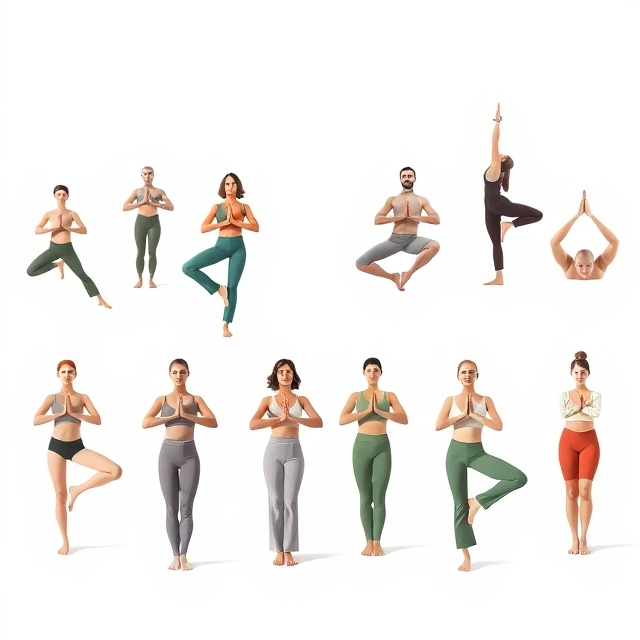
In standing yoga asanas, the feet are supported by the practitioner. Frequently employed for the purpose of enhancing body alignment, strength, and stability.
Perform the following asanas while standing:
Mountain Pose
Positioning yourself in this straightforward standing position can assist you in recognizing your body alignment and teaching you the proper posture. A number of standing exercises can also be prepared for by using it.
Warrior Pose
Warrior postures are great for strengthening the upper body, hips, and legs. They are regularly incorporated into workouts in order to strengthen the lower body.
Triangle Pose
To achieve this position, you will need to stand, reach, and fold sideways. Possibly, this will enhance flexibility in the hips, legs, and sides.
Tree Pose
Building stability, concentration, and awareness of the body are all benefits of tree stance, which is an upright balancing pose.
Benefits:
- Strengthen the legs and core
- Improve posture and stability
- Increase flexibility
- Improve body awareness
Uses:
Standing asanas are useful for building a strong foundation for yoga practice. They can be included in routines focused on strength, stability, posture and overall mobility.
Become a Certified Yoga Instructor
Yoga Teacher Training Course by Entri App: Master authentic yoga techniques, earn certification, and build a successful career as a professional yoga instructor.
Join Now!Sitting Yoga Asanas
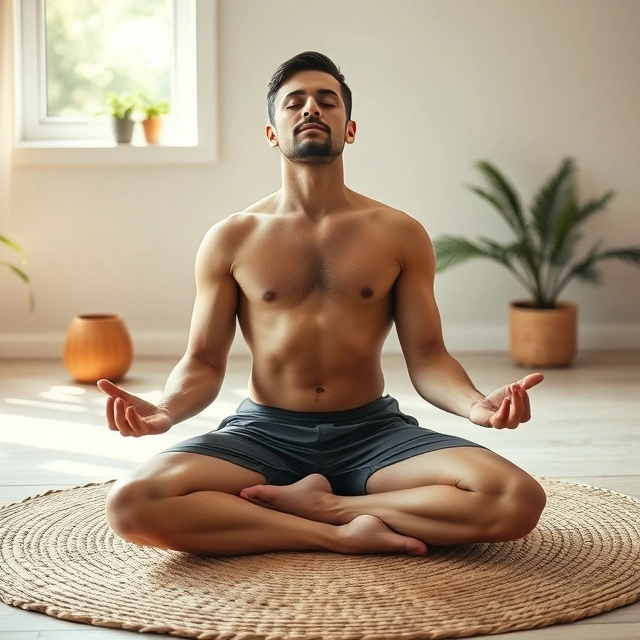
The body is supported by the floor while performing yoga asanas that are performed while seated. A great number of seated postures are designed to stretch the hips, legs, and spine. These positions can also be helpful for relaxation or meditation activities.
Easy Pose:
A relaxed sitting position that is frequently utilized for the purposes of breathing exercises and meditation. In addition to helping the body to rest, it promotes an upright posture of the spine.
Bound Angle Pose:
The inner thighs and hips are stretched out in a gentle manner by this seated posture. As long as the legs are not forced toward the floor, it is possible to do it in a gradual and comfortable manner.
Staff Pose:
This pose is characterized by the legs being extended forward while the torso is held in an upright position. The development of awareness of seated posture and alignment can be facilitated by it.
Seated Forward Bend Pose:
An extension of the legs forward and a gentle folding of the upper body toward the legs is required to achieve this pose. The rear of the body is stretched out as a result of being stretched.
Benefits:
- Stretch the hips and legs
- Improve flexibility
- Encourage good seated posture
- Support relaxation and mindful breathing
Uses:
Seated asanas are commonly used for stretching, meditation, breathing exercises and gentle yoga sessions.
Balancing Yoga Asanas
In order to keep a stable stance when executing yoga asanas that call for balance, it is necessary to exercise control and attention. They are capable of fostering gains in stability, body awareness, and coordination, which are all possible benefits.
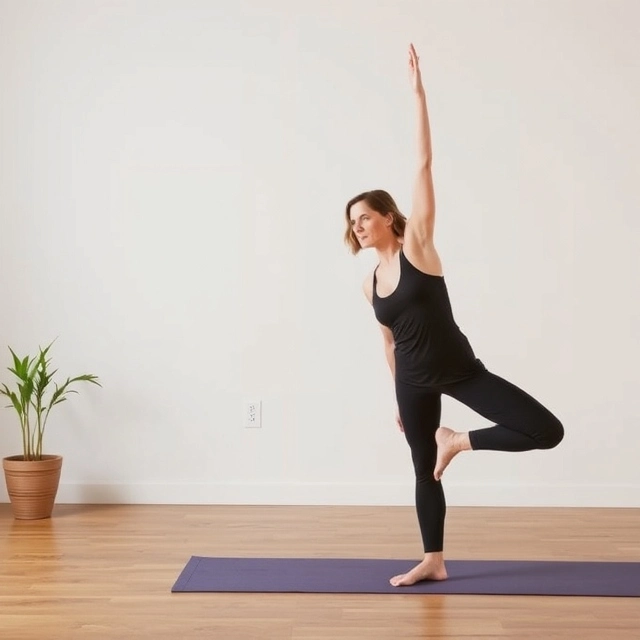
Tree Pose
One foot remains grounded while the other leg is placed in a supported position. The pose encourages concentration and stability.
Eagle Pose
This pose involves wrapping the arms and legs while balancing on one leg. It requires coordination and controlled movement.
Warrior III
The body extends forward while one leg supports the body. This pose challenges balance while also engaging the legs and core.
Beginners can practice balancing poses near a wall or other stable support if needed.
Benefits:
- Improve balance and coordination
- Strengthen the legs and core
- Develop concentration
- Improve body awareness
Uses:
Balancing asanas are useful for developing stability, coordination and concentration. Beginners can practice them near a wall for additional support.
Backbend Yoga Asanas
Asanas that fall under the category of backbends need the practitioner of yoga to either lengthen their spine or slightly arch their spine in order to do the pose.
They not only stretch the front of the body, but can also help develop spinal mobility. This is a significant benefit.
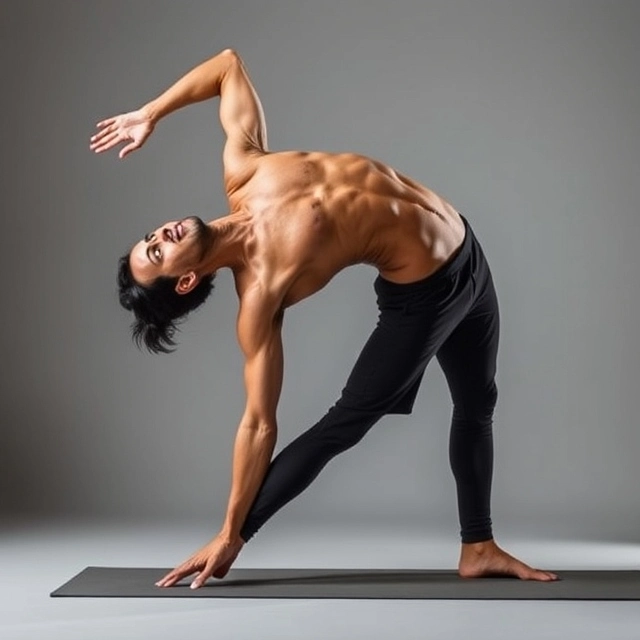
The Cobra Pose
In this particular stance, the chest is lifted while the body is lying on its stomach. Stretching the front of the body and working the muscles around the back in a gentle manner are both involved.
The Bridge Pose
It is possible to elevate the body off the ground while keeping the feet and shoulders in a planted position. The front of the body is opened up while the legs and hips are engaged in this exercise.
The Camel Pose
This deeper backbend requires the practitioner to kneel and lengthen the spine in a gentle manner. More flexibility is required, and it is important to practice it carefully, especially for those who are just starting out.
Benefits:
- Improve spinal mobility
- Stretch the front of the body
- Strengthen the back and legs
- Open the chest and shoulders
Uses:
Backbends can be included in yoga routines that focus on spinal mobility, strength and flexibility. Deeper backbends should be learned gradually and without forcing the body.
Become a Certified Yoga Instructor
Yoga Teacher Training Course by Entri App: Master authentic yoga techniques, earn certification, and build a successful career as a professional yoga instructor.
Join Now!Twisting Yoga Asanas
Asanas that include twisting involve turning the upper body around the spine by rotating the torso. Not only may they encourage awareness of posture, but they can also promote spinal mobility.
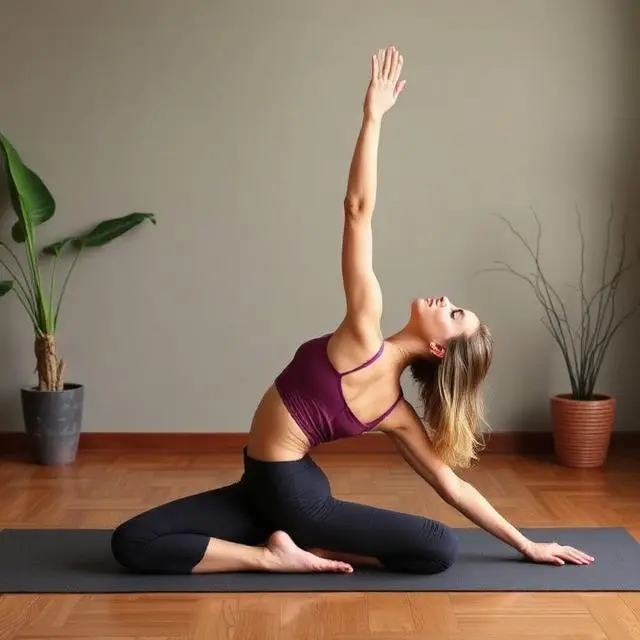
A Spinal Twist While Seated:
Revolving the torso to one side in a gentle manner is required for this seated pose. It allows for movement down the spine and has the potential to stretch the muscles that are located around the shoulders and back.
Revolved Triangle pose:
Combining a forward fold with rotation of the upper body, this standing twist is a great balance exercise. Balance, flexibility, and command of one’s body are all necessary components.
Supine Spinal Twist
The body is able to maintain its support from the floor while performing this moderate twist, which is performed while lying on the back. It is frequently used into yoga sequences that are centered on relaxation.
It is important to perform twists carefully, without putting pressure on the spine, and without using the arms to drag the body beyond a range that is acceptable for you.
Benefits:
- Encourage spinal mobility
- Stretch the back and shoulders
- Improve body awareness
- Add variety to a yoga routine
Uses:
Twisting poses can be used to introduce gentle rotational movement and mobility into a yoga session. They should be performed slowly and comfortably.
Restorative and Relaxation Asanas
One of the goals of the restorative yoga practice is to assist induce relaxation and reduce physical stress. The soft poses that are included in this practice are designed to do this.
Movements are often more deliberate, and positions are more comfortable, allowing for longer periods of time to be held. Additionally, the movements are more fluid.
Child Pose
This pose is also referred to as Balasana. This is a resting pose that allows the body to relax while also stretching the hips and back in a somewhat more gentle manner.
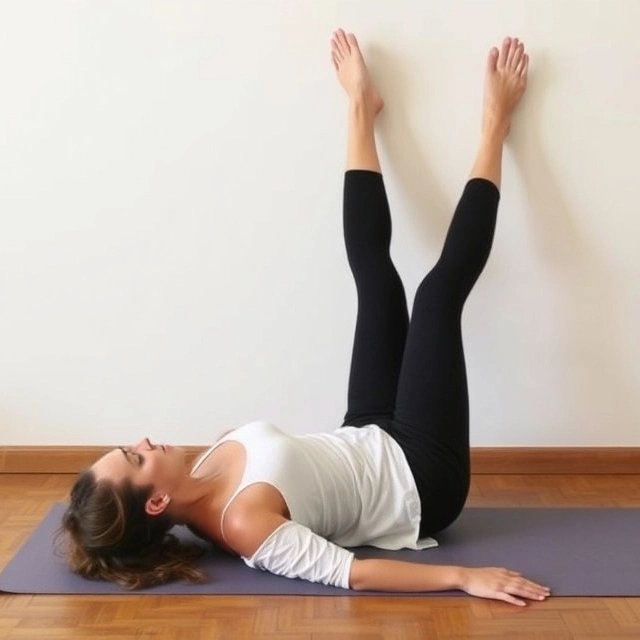
Legs Up the Wall Pose
It is also known as Viparita Karani. When you are in this pose, your upper body is on the floor, and your legs are pressed up against a wall in a vertical position. There is a common practice of using it as a calming pose at the conclusion of a yoga session.
Corpse Pose
Also known as Shavasana. To do this, one must lie down on their back in a comfortable position and let their entire body to relax. There is a customary practice of performing it at the conclusion of yoga lessons.
These poses can be particularly useful when the goal is to slow down, focus on breathing and allow the body to recover.
Benefits:
- Encourage physical relaxation
- Help release everyday muscle tension
- Support mindful breathing
- Provide a calm ending to a yoga session
Uses:
Restorative and relaxation asanas are useful during gentle yoga sessions, cool-downs, meditation and periods when the body needs a slower, more restful practice.
How to Choose the Right Yoga Asanas for Beginners
The beginner should select yoga asanas as per their comfort level, flexibility, experience and goal. You don’t have to begin at more advanced positions today.
Some things to consider:
- Start with simple postures: Start with lots of simple stances, such standing, sitting and relaxing.
- “Don’t try to go deeper in a stretch, try to get the right alignment.” Learn the basic posture of each pose.
- Taking things slow and controlled could make practice more pleasant and manageable.
- If you encounter a sharp pain or a lot of discomfort, listen to your body and either get out of the pose or alter it.
- Others can benefit from blocking, strapping, cushioning or even a wall to make them more comfortable and sturdy .
- If you’re new to the game, you might find shorter, more frequent workouts work better than the occasional all-out workout.
- A skilled teacher can help guide you in the right direction, which may be especially useful when you are trying new or difficult postures.
Want to Step Up? Join our Yoga Instructor Course Online!
Conclusion
Within the context of the yoga practice, the objective of each individual set of asanas is to fulfilll a particular function, which is to keep the practitioner’s body in a state of homeostasis that is suitable for yoga. There are a great many distinct variations of asanas that can be found.
Standing poses are great for developing strength and stability, seated poses are great for developing flexibility, balancing poses are great for developing coordination, and twists and backbends are great for developing range of motion.
For those who are new to the role, it is not necessary for you to be familiar with all of the positions. Your self-confidence will increase, and you will be able to design a yoga program that is sustainable, if you start with poses that are easy and comfortable for you at the moment. Then gradually work your way up to more challenging postures. This is the way to construct a yoga practice that can be sustained over an extended period of time.
Become a Certified Yoga Instructor
Yoga Teacher Training Course by Entri App: Master authentic yoga techniques, earn certification, and build a successful career as a professional yoga instructor.
Join Now!Frequently Asked Questions
How many types of yoga asanas are there?
There is no single fixed number of yoga asanas. Traditional yoga texts and modern yoga practices include many different postures, which can also be modified or combined into different variations.
Which yoga asanas improve balance?
Tree Pose, Eagle Pose and Warrior III are examples of balancing asanas. Beginners can use a wall or other stable support while developing their balance.
Which yoga asanas are good for relaxation?
Child’s Pose, Legs-Up-the-Wall Pose and Savasana are commonly used for relaxation. Gentle breathing while holding a comfortable position can make a relaxation-focused practice more calming.
Can beginners practice different types of yoga asanas?
Yes. Beginners can gradually explore different categories of asanas. It is best to start with basic poses and learn proper alignment before progressing to more demanding postures.
How long should I hold a yoga asana?
The appropriate duration depends on the pose and the individual’s experience. Beginners can start with a comfortable duration and gradually increase it. The goal should be controlled, comfortable practice rather than holding a pose for as long as possible.
Which yoga asanas are best for beginners?
Mountain Pose, Child’s Pose, Easy Pose, Cat-Cow, gentle twists and Savasana are generally suitable starting points. Beginners should choose poses that feel comfortable and avoid forcing flexibility.