Table of Contents
Muhurat Trading is a special one-hour session held by NSE and BSE on Diwali evening to mark the start of the new Hindu financial year (Samvat 2083). This year, it falls on Sunday, November 8.
This symbolic window lets investors place token or genuine trades in the belief that beginning the year on the stock market brings prosperity.
Over the last decade, Nifty has closed higher in roughly 8 out of 10 Muhurat sessions, with average gains of about 0.4% to 0.6%. This makes it one of the most closely watched hours on the Indian market calendar.
Learn Stock Marketing with a Share Trading Expert! Explore Here!
Key Takeaways
- Muhurat Trading 2026 is on Sunday, November 8, marking Samvat 2083.
- Session timings are announced by NSE/BSE via circular in October or early November.
- The one-hour session covers equity, F&O, currency and commodity segments.
- Markets have closed positive in about 8 of the last 10 Muhurat sessions; average gains are 0.4% to 0.6%.
- Beginners need an active Demat and trading account, KYC and sufficient funds.
- Experts advise token bets in fundamentally strong large-caps, not speculative trades.
- Settlement follows the regular T+1 cycle.
What is Muhurat Trading?
1: What is a stock?
Meaning and Origin
“Muhurat” is a Sanskrit word that means an auspicious moment. In Hindu tradition, things done during a well-aligned Muhurat are believed to set a positive tone for whatever follows.
Investing is no exception for this. The session marks the beginning of Samvat, the traditional Hindu calendar year that is used in business and finance across India.
The practice dates back to 1957 at the Bombay Stock Exchange. This was later adopted by the National Stock Exchange as well.
Why Diwali?
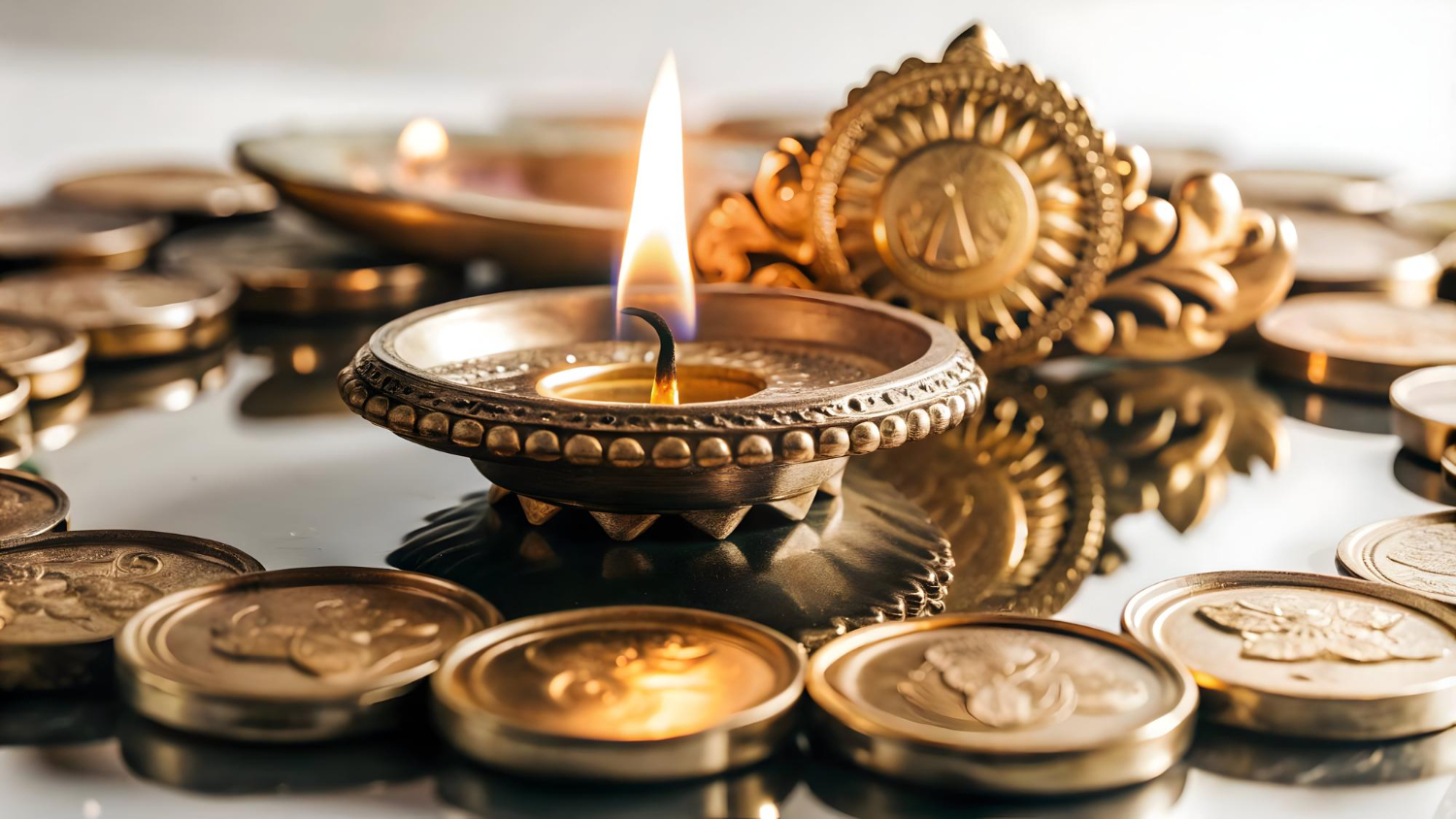
Diwali is a grand festival of light, wealth, and considered an auspicious occasion for new beginnings. Lakshmi Pujan is its central ritual. This is dedicated to the goddess of prosperity.
Traditionally, businesses close their old account books and open fresh ones on this day. This is a ritual known as Chopda Pujan.
Stock exchanges mirror this sentiment by opening a special one-hour window. They blend cultural tradition with modern market participation in a way that is unique to Indian investing.
Muhurat Trading 2026: Date and Timing
NSE has already confirmed that November 8, 2026 (Sunday) will see Muhurat Trading despite being a routine market holiday.
Exact clock timings are typically notified through an official circular closer to the festival. So treat any specific time you see online before that as indicative rather than final.
| Detail | Information |
| Date | Sunday, November 8, 2026 |
| Occasion | Diwali – Lakshmi Pujan |
| New Samvat Year | 2083 |
| Session Length | Approximately 1 hour (evening) |
| Segments Typically Covered | Equity, F&O, Currency, Commodity |
| Exact Timings | To be notified via NSE/BSE circular |
In recent years the session structure has generally followed a pattern of:
- a short block-deal window
- a brief pre-open period for price discovery
- the main one-hour trading window
- a short closing session for settlement matching
The same broad shape is expected in 2026, which is subject to the official circular.
Why it Matters for First-Time Investors

For someone opening their first Demat account, Muhurat Trading offers a low-pressure, culturally meaningful entry point. There’s no obligation to trade large volumes. Even a single share purchased as a symbolic gesture counts.
It is also a good psychological anchor. Many investors use the session to commit to a long-term investing habit rather than chase a quick festive gain. It helps to separate sentiment from strategy.
The data shows gains are common but modest. The average returns of roughly 0.4% to 0.6% are not the kind of number that changes a portfolio’s fortunes. The real value of the session is behavioural: it nudges people to start.
How to Participate: A Step-by-Step Guide
Before the session, make sure you have:
- An active Demat and trading account with a SEBI-registered broker
- Completed KYC – PAN, Aadhaar, and bank account linked
- Sufficient funds or margin available in your trading account
On the day:
- Log in to your trading platform 15 to 20 minutes before the session opens.
- Watch the pre-open window for price discovery cues once it begins.
- Place your buy or sell order during the live trading window using market or limit orders.
- Confirm your order status once the session closes; settlement follows the usual T+1 cycle.
- Check your holdings in your Demat account on the next working day.
Stock Market Training Reviewed & Monitored by SEBI Registered Investment Advisor
Trusted, concepts to help you grow with confidence. Enroll now and learn to start investing the right way.
Know moreSmart Strategies for Beginners
What to consider:
- Fundamentally strong, large-cap stocks with a track record of stability.
- Sectors that have historically shown resilience during festive sessions, such as banking, auto, and IT.
- A token investment – the goal is participation and habit-building, not a large bet.
What to avoid:
- Penny stocks or illiquid counters, which can see exaggerated price swings in a thin market.
- Leveraged F&O positions if you’re new to derivatives.
- Buying purely on festive sentiment without checking company fundamentals.
Risks to Keep in Mind
Because participation is lower than on a regular trading day, liquidity can be thinner and bid-ask spreads wider. This sometimes affects the price at which your order actually executes.
The one-hour window also means less time to react if prices move quickly. And crucially, historical positivity is not a guarantee. Two of the last 10 sessions closed in the red. It is a reminder that Muhurat Trading is still real market activity, not a scripted outcome.
Learn Stock Marketing with a Share Trading Expert! Explore Here!
Muhurat Trading vs Regular Trading
| Feature | Regular Trading | Muhurat Trading |
| Timing | 9:15 AM – 3:30 PM, Mon–Fri | ~1-hour evening session on Diwali |
| Purpose | Continuous price discovery and liquidity | Symbolic start to the new Samvat year |
| Participants | Retail, institutions, FIIs | Mostly retail, some institutional activity |
| Trading Volume | High | Low to moderate |
| Settlement Cycle | T+1 | T+1 (unchanged) |
| Segments | Equity, F&O, Currency, Commodity | Equity, F&O, and other segments per exchange circular |
Conclusion
Muhurat Trading is less about chasing returns in a single hour and more about the symbolism of starting fresh. This is a tradition that blends India’s festive spirit with modern market participation.
For first-time investors, November 8, 2026 is a good opportunity to open an account, complete KYC in advance, and make a considered, if small, first trade.
Whether you buy one share of a large-cap company or simply track the session to understand how it works, treat it as the beginning of a longer investing habit rather than a one-off event. The real returns come from time in the market across Samvat 2083, not from the hour itself.
Stock Market Training Reviewed & Monitored by SEBI Registered Investment Advisor
Trusted, concepts to help you grow with confidence. Enroll now and learn to start investing the right way.
Know moreFrequently Asked Questions
Can a complete beginner trade during Muhurat Trading?
Yes, as long as you have an active Demat and trading account with completed KYC. It’s actually a popular entry point for first-timers because trade sizes can be small and symbolic.
Is Muhurat Trading guaranteed to be profitable?
No. While markets have historically closed positive in around 8 of the last 10 sessions, 2 years saw negative closes, so profits are never assured.
Do I need a separate account for Muhurat Trading?
No, your regular Demat and trading account works fine. Just make sure your KYC is complete and funds are available beforehand.
What time does the Muhurat Trading session usually start?
Timings vary each year and are announced by NSE and BSE shortly before Diwali. In recent years, sessions have been held either in the afternoon or evening, so check the official circular for 2026.
Can I trade in Futures & Options during Muhurat Trading?
Typically yes, F&O trading is usually open during the session. However, beginners are generally advised to avoid leveraged derivative positions.
Does the settlement process differ from a regular trading day?
No, trades executed during Muhurat Trading settle under the standard T+1 cycle, just like any other trading day.
How much money do I need to participate?
There is no minimum threshold beyond what’s needed to buy at least one share of your chosen stock. Many investors treat it as a token investment rather than a large commitment.
Which stocks are commonly bought during Muhurat Trading?
Investors often favour fundamentally strong, large-cap names across banking, IT, auto, and FMCG sectors. The specific picks vary each year based on market conditions.
Is trading volume higher or lower than usual?
Volume is typically lower than a regular trading day since the window is short and many investors treat it as symbolic. This can lead to wider bid-ask spreads on less liquid stocks.
Where can I find the official Muhurat Trading 2026 timings?
NSE and BSE publish official circulars on their websites a week or two before Diwali. It’s best to rely on these exchange notifications rather than earlier estimates for exact timing.