Table of Contents
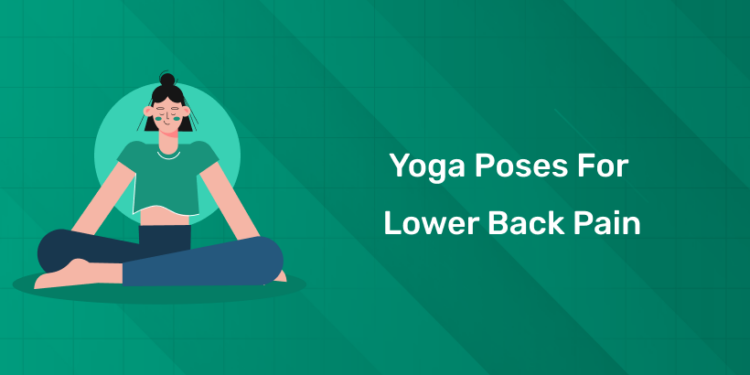
Yoga may help manage some lower back pain. Gentle yoga can improve movement and physical function. It may also provide modest pain relief. Regular practice can support comfortable movement.
The best poses should feel gentle and controlled. They should not create sharp or severe pain. Yoga should complement medical care if required.
Join the best online yoga teacher training program of 2026! Register in Entri Elevate now!
Can Yoga Help Lower Back Pain?
Yoga can help one with lower back pain. Research suggests help for chronic back pain as well. These benefits can include improved movement and function. Results can vary between individuals.
Yoga should not be considered a guaranteed cure. It is one possible movement-based approach. Exercise is a part of back care. The best approach changes with person.
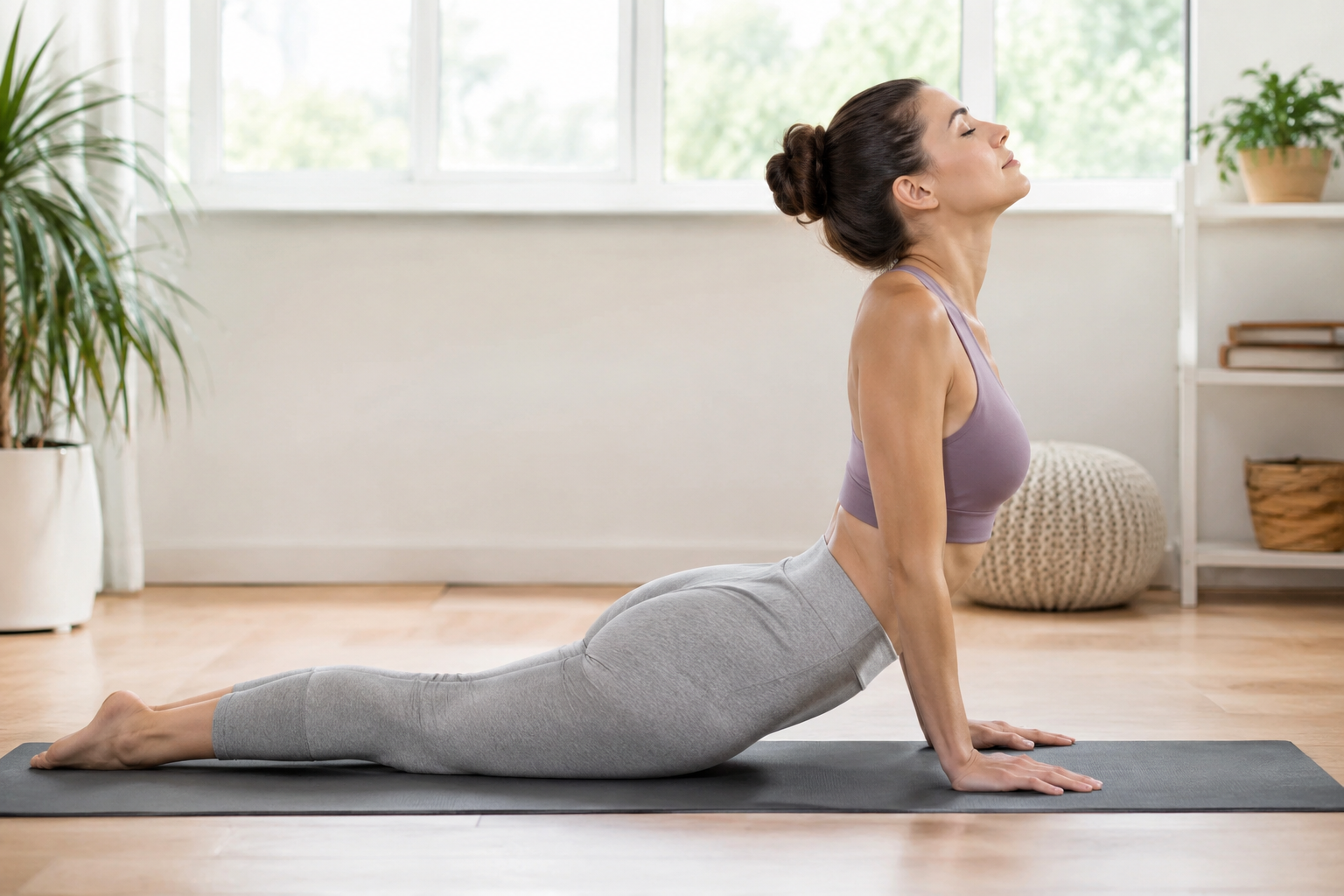
How Can Yoga Support Lower Back Health?
Yoga combines 3 types of movements. Stretching, strengthening, and controlled movement. These elements can support several physical functions. They can also improve movement awareness.
Yoga may support:
- Spinal mobility.
- Hip flexibility.
- Core strength.
- Muscle flexibility.
- Posture awareness.
- Movement coordination.
- Body awareness.
- Physical relaxation.
These benefits can support everyday physical activities. They may also make some movements more comfortable.
Why does Mobility Matter?
Limited mobility can affect everyday movement. Tight hips can change movement patterns. Stiff muscles can also affect posture. Gentle movement can maintain comfortable mobility.
Yoga uses controlled movements through different ranges. These movements can gently challenge stiff areas. Regular practice can support better movement quality.
Stretching should always remain comfortable. Deeper stretches are not necessarily better.
Can Yoga Strengthen Supporting Muscles?
Some yoga poses require muscle engagement. They challenge abdomen, hips, and legs. Stronger muscles support control.
Strength-focused poses can include:
- Bridge Pose.
- Bird Dog.
- Plank variations.
- Gentle standing poses.
- Controlled balance poses.
Strength should develop gradually. Beginners should avoid demanding variations initially.
Can Yoga Improve Posture?
Yoga encourages body awareness. Many poses require controlled spinal positioning. This can improve posture awareness during daily activities.
Better posture awareness may support:
- Comfortable sitting.
- Better standing alignment.
- Controlled bending.
- Improved movement habits.
- Reduced unnecessary tension.
Good posture does not require constant stiffness. Natural movement remains important.
Can Yoga Reduce Muscle Tension?
Muscle tension can accompany prolonged sitting. Inactivity can also increase feelings of tightness. Gentle stretching encourages comfortable muscle movement.
Common areas of tension include:
- Lower back.
- Hips.
- Hamstrings.
- Glutes.
- Shoulders.
- Upper back.
Gentle movement may help these areas feel less restricted. Persistent pain still requires proper evaluation.
What does Research Say?
Research supports yoga as one possible option. Evidence is strongest for chronic lower back pain. Benefits appear modest compared with no exercise. Yoga can also provide benefits similar to other exercises.
Research reviews have found improvements in pain and function. However, these improvements are generally small. Different yoga programs also use different techniques.
Results can therefore vary between people. It should be viewed as supportive care.
When Should Yoga be Avoided?
Some back pain requires professional assessment. It may not suit every cause of pain. Certain symptoms require medical care.
Avoid self-directed stretching with:
- Severe or worsening pain.
- Recent significant injury.
- Numbness or unusual weakness.
- Loss of bladder control.
- Loss of bowel control.
- Severe leg symptoms.
- Persistent unexplained pain.
These symptoms require appropriate medical evaluation. Yoga should not delay necessary treatment.
Is Yoga Safe for Lower Back Pain?
Yoga is generally safe. One need to practice properly. Injuries can still occur. Sprains and strains are possible.
People with existing conditions may need modifications. Beginners can benefit from qualified instruction. Proper technique can reduce unnecessary strain.
Benefits of Yoga for Lower Back Pain
1: Which of these is the primary goal of yoga practice?
Yoga can provide several supportive benefits. These benefits involve movement, strength, and relaxation. Results depend on appropriate and consistent practice.
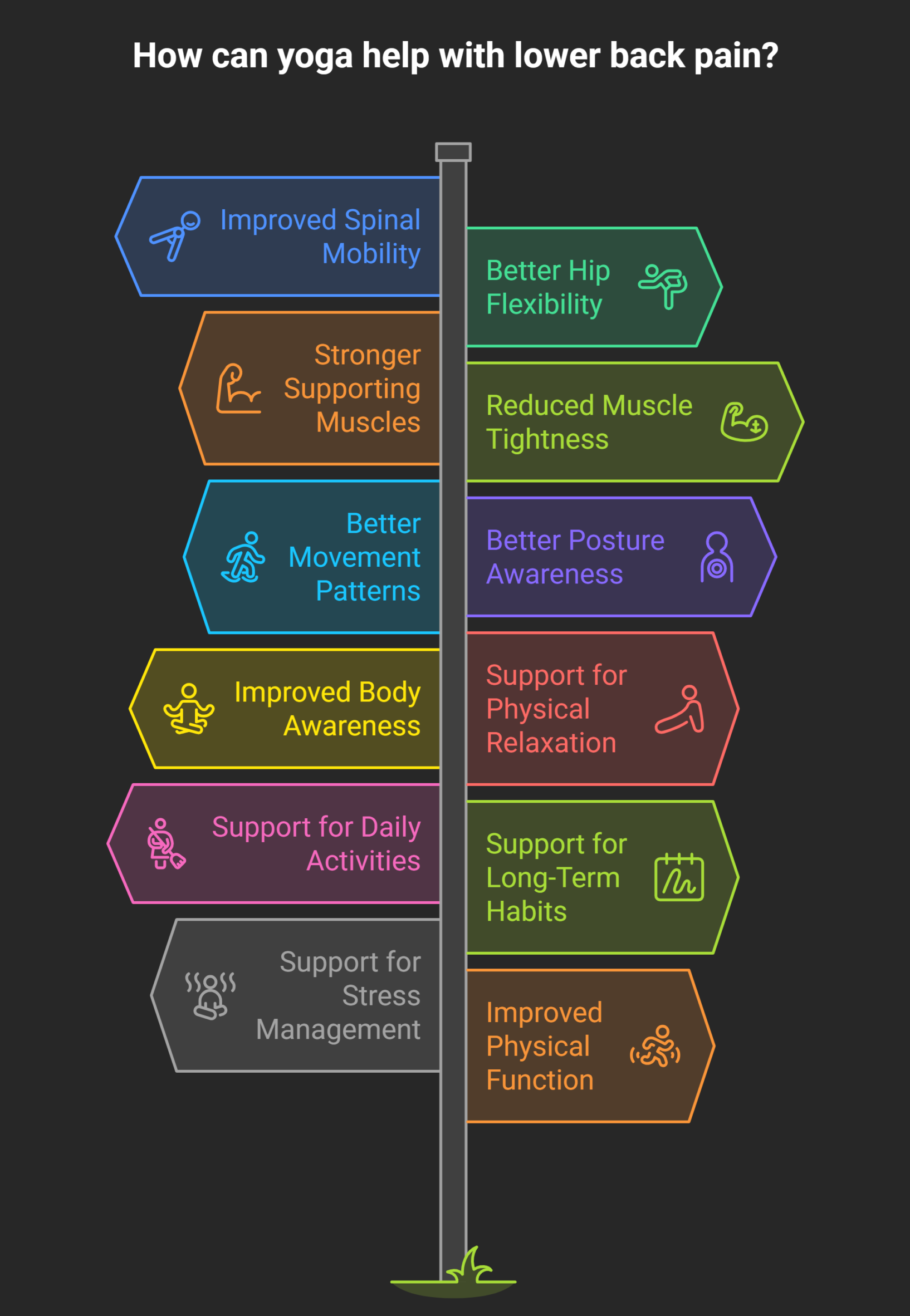
1. Improved Spinal Mobility
Gentle yoga can move the spine safely. Controlled movements can support comfortable spinal mobility.
Useful movements include:
- Cat-Cow.
- Gentle spinal twists.
- Pelvic tilts.
- Supported extensions.
Improved mobility can support everyday movement.
2. Better Hip Flexibility
Tight hips can affect lower-body movement. Seated and lunge poses can stretch hip muscles.
Improved hip flexibility can support:
- Walking.
- Bending.
- Sitting.
- Standing.
- Climbing stairs.
Stretching should remain gradual and comfortable.
3. Stronger Supporting Muscles
Some yoga poses challenge the core and hips. Stronger muscles can support controlled movement.
Useful poses include:
- Bridge Pose.
- Bird Dog.
- Modified Plank.
- Locust variations.
Strength should develop progressively. Sudden increases can create unnecessary strain.
4. Reduced Muscle Tightness
Gentle stretching can reduce feelings of tightness. It encourages movement through comfortable ranges.
Commonly targeted areas include:
- Hamstrings.
- Hip flexors.
- Glutes.
- Lower back.
- Calves.
Stretching should never become painful.
5. Better Movement Patterns
Back discomfort can change movement habits. People may avoid certain movements because of pain. Gentle practice can rebuild movement confidence.
Yoga encourages controlled movement and body awareness. This can support smoother everyday movement.
6. Better Posture Awareness
Yoga encourages attention toward spinal alignment. This awareness can carry into daily activities.
It can support better habits during:
- Sitting.
- Standing.
- Walking.
- Bending.
- Lifting.
Posture should remain natural and comfortable. Excessive stiffness can create unnecessary tension.
7. Improved Body Awareness
Yoga requires attention during every movement. Practitioners notice tension and body positioning.
This can help identify:
- Tight muscles.
- Uncomfortable movements.
- Poor alignment.
- Excessive stretching.
- Uneven movement.
Better awareness can encourage safer practice.
8. Support for Physical Relaxation
Chronic pain can affect physical relaxation. Yoga combines gentle movement with breathing. This may create a calmer practice experience.
Relaxation-focused practices can include:
- Child’s Pose.
- Supported poses.
- Gentle stretching.
- Slow breathing.
- Short meditation.
Yoga can support relaxation without replacing treatment.
9. Support for Daily Activities
Lower back pain can affect daily activities. Better mobility can support comfortable movement.
Yoga may complement activities such as:
- Walking.
- Household tasks.
- Sitting.
- Standing.
- Bending.
- Light exercise.
Regular movement can support physical independence.
10. Support for Long-Term Exercise Habits
Yoga can become part of a regular movement routine. Consistency can support long-term physical activity.
A balanced routine may include:
- Gentle yoga.
- Walking.
- Strength exercises.
- Mobility work.
- Adequate recovery.
Yoga does not need to be the only exercise. Different activities provide different benefits.
11. Support for Stress Management
Stress can influence how people experience pain. Yoga combines movement with breathing and awareness. These practices may support relaxation.
Stress-focused yoga can include:
- Gentle stretching.
- Slow breathing.
- Restorative poses.
- Mindfulness.
- Relaxation exercises.
Mental relaxation can complement physical movement.
12. Improved Physical Function
Lower back pain can affect physical function. Yoga may support improvements in daily movement. Research suggests modest functional benefits.
Improved function can support activities such as:
- Walking.
- Standing.
- Bending.
- Household movement.
- General physical activity.
Results can differ between individuals. Regular and appropriate practice remains important.
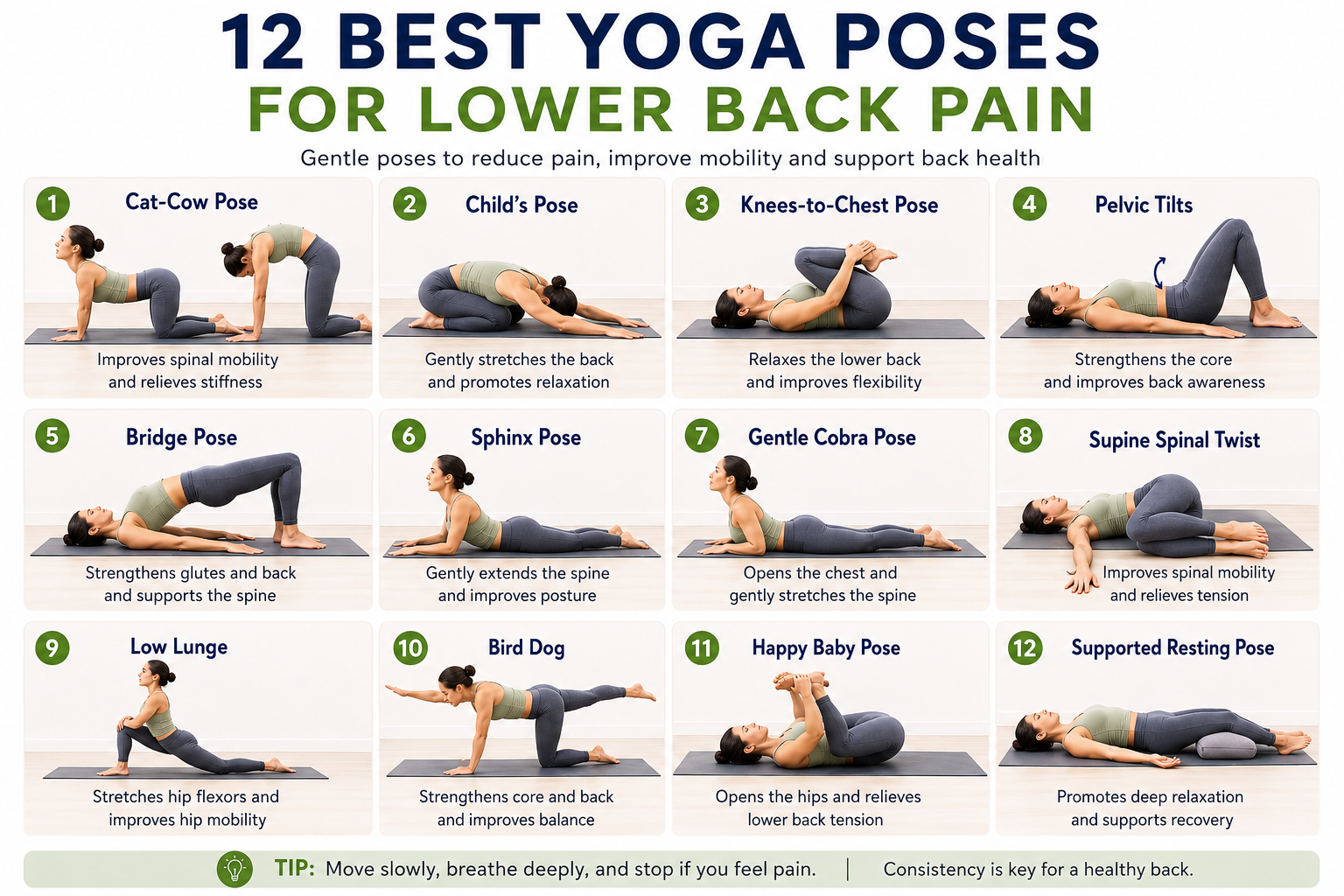
Best Yoga Poses for Lower Back Pain
Become a Certified Yoga Instructor
Yoga Teacher Training Course by Entri App: Master authentic yoga techniques, earn certification, and build a successful career as a professional yoga instructor.
Join Now!Frequently Asked Questions
Can yoga help with lower back pain?
Yoga may help reduce some types of lower back pain. It can also improve flexibility, mobility, and physical function.
Is Child's Pose good for lower back pain?
Child’s Pose can gently stretch and relax the lower back. Use a cushion if the position feels uncomfortable.
Can yoga strengthen the lower back?
Some yoga poses strengthen the muscles supporting the back. Bridge Pose and Bird Dog are useful examples.
How often should yoga be practiced for back pain?
Gentle yoga can be practiced regularly based on comfort. Beginners can start with short sessions and gradually increase practice time.
Can yoga help with back stiffness?
Gentle yoga can improve spinal movement and reduce feelings of stiffness. Regular practice may also support better daily mobility.
Should yoga poses hurt when treating back pain?
Yoga poses should not cause sharp or severe pain. Stop the movement if pain increases or unusual symptoms appear.
Is yoga safe for people with chronic back pain?
Yoga can be suitable for some people with chronic back pain. Professional guidance can help select safe poses and suitable modifications.
Can yoga completely cure lower back pain?
Yoga should not be considered a guaranteed cure for lower back pain. It can support pain management and movement as part of broader care.
When should someone avoid yoga for lower back pain?
Severe pain, numbness, weakness, or pain after serious injury requires medical attention. Bladder or bowel control problems also need prompt professional evaluation.
Which yoga pose is best for lower back pain?
Cat-Cow, Child’s Pose, and Knees-to-Chest are gentle options. The best pose varies for each person.