
Table of Contents
Introduction
If you want to eat more food while keeping your calorie intake under control, water-rich vegetables, fruits, and broths are some of the easiest options to add to your plate. No whole food is truly zero-calorie, but many contain so few calories per serving that they can make meals more filling without noticeably affecting your daily calorie budget.
These foods work best as part of a balanced diet—not as a replacement for protein, healthy fats, whole grains, or other essential nutrients. Their main benefit is volume: they add fibre, hydration, vitamins, and minerals while helping you feel satisfied for longer.
What Are “Zero-Calorie” Foods?
“Zero-calorie foods” is a popular term, but it is not scientifically accurate. Almost every food provides some energy; however, foods such as cucumber, celery, leafy greens, and mushrooms contain very few calories, especially compared with their serving size.
In the United States, a food may be labelled as zero-calorie if it contains five or fewer calories per serving. This is why foods like celery, fresh herbs, and salsa are often described as “zero-calorie,” even though they still provide a small amount of energy.
The idea of “negative-calorie foods”—foods that burn more calories during digestion than they contain—is largely a myth. Still, low-calorie, high-water foods can support weight management by increasing fullness and making it easier to maintain a calorie deficit.

Turn Your Passion for Fitness into a Profession
Learn practical skills, get certified, and step into the growing fitness industry with confidence.
Join the Course10 Foods With Almost Zero Calories
| Food | Approximate calories | Why it helps |
|---|---|---|
| Cucumber | 15 kcal per 100 g | Very high in water; refreshing in salads and Detox water. |
| Celery | 14 kcal per 100 g | Crunchy, hydrating, and easy to pair with healthy dips. |
| Lettuce | 14–17 kcal per 100 g | Adds bulk to salads, wraps, and sandwiches. |
| Spinach | 23 kcal per 100 g | Nutrient-dense leafy green for salads, smoothies, and cooked dishes. |
| Zucchini | 17 kcal per 100 g | Versatile vegetable for stir-fries, soups, and noodles. |
| Tomatoes | 18 kcal per 100 g | Juicy, flavourful, and useful in salads, chutneys, and curries. |
| Radish | 16 kcal per 100 g | Crisp, peppery vegetable that adds texture to salads. |
| Mushrooms | Very low calorie | Savoury and meaty in texture; useful in soups, omelettes, and stir-fries. |
| Berries | About 35 kcal per 1/2 cup | Naturally sweet option with fibre and antioxidants. |
| Clear broth | Very low calorie | Warm, filling base for soups without adding many calories. |
1. Cucumber
Cucumber is one of the lowest-calorie foods you can add to your diet, providing about 15 calories per 100 grams. Because it is mostly water, it adds freshness and volume to meals without making them heavy.
Add cucumber slices to salads, sandwiches, raita, infused water, or whole-grain wraps. For a simple snack, pair cucumber sticks with hummus, yoghurt dip, or a small portion of paneer.
2. Celery
Celery contains roughly 14 calories per 100 grams and is known for its crunchy texture and high water content. It also provides fibre, which can help you feel full between meals.
Try celery sticks with peanut butter, hummus, or Greek yoghurt dip. You can also chop it into soups, salads, and stir-fries for extra crunch.
3. Lettuce
Lettuce, especially iceberg and romaine varieties, is extremely low in calories. Iceberg lettuce has about 14 calories per 100 grams, while romaine has around 17 calories per 100 grams.
Use large lettuce leaves as a wrap instead of bread or tortillas. You can also build a big salad with lettuce, cucumber, tomato, carrots, and a lean protein such as grilled chicken, eggs, tofu, or chickpeas.
4. Spinach
Spinach has about 23 calories per 100 grams, making it an excellent leafy green for calorie-conscious meals. It is also a convenient way to add volume, colour, and micronutrients to everyday dishes.
Add a handful of spinach to omelettes, dals, smoothies, soups, or whole-wheat pasta. Cooking spinach reduces its bulk, so you can eat a larger amount without feeling overly full.
5. Zucchini
Zucchini provides about 17 calories per 100 grams and works well in both Indian and international recipes. Its mild flavour makes it easy to add to curries, stir-fries, grilled vegetable platters, and soups.
For a lighter pasta-style meal, spiralise zucchini into noodles and toss it with tomato sauce, herbs, and a protein source. You can also roast zucchini with minimal oil and spices for a satisfying side dish.
6. Tomatoes
Tomatoes contain around 18 calories per 100 grams and bring natural sweetness, acidity, and juiciness to meals. They are especially useful for adding flavour without relying on high-calorie sauces.
Use fresh tomatoes in salads, sandwiches, chutneys, and homemade soups. Cooked tomatoes also work well as a base for curries, shakshuka, pasta sauces, and vegetable stews.
7. Radish
Radish has approximately 16 calories per 100 grams, making it another smart choice for low-calorie meals. Its sharp, peppery taste can make simple salads and side dishes more interesting.
Slice radish thinly into salads, grate it into chutneys, or roast it with other vegetables. In Indian kitchens, radish can also be added to paratha stuffing, sambar, or mixed vegetable curry.
8. Mushrooms
Mushrooms are naturally low in calories and have a savoury, umami-rich flavour. They are a useful ingredient when you want to make meals more filling without adding large amounts of calories.
Sauté mushrooms with garlic, onion, and herbs, then add them to omelettes, soups, whole-grain toast, or brown rice. Their chewy texture also makes them a good addition to vegetarian burgers and stir-fries.
9. Berries
Berries are not calorie-free, but a half-cup serving of mixed berries contains about 35 calories. They offer natural sweetness, fibre, and antioxidants, making them a better snack choice than biscuits, sweets, or sugary desserts.
Add strawberries, blueberries, raspberries, or blackberries to Greek yoghurt, oatmeal, smoothies, or salads. If you are watching sugar intake, enjoy them in moderation and avoid adding syrup or sweetened cream.
10. Clear Broth
Clear vegetable, chicken, or bone broth can be very low in calories, especially when it is not made with cream, butter, or large amounts of oil. A warm bowl of broth can be a useful starter because it adds fluid and helps take the edge off hunger.
Make broth-based soups with mushrooms, spinach, cabbage, carrots, and lean protein. Avoid instant soup mixes that contain added sugar, excess sodium, or artificial flavour enhancers.
11. Bok Choy
Bok choy is a Chinese cabbage variety with only about 13 calories per 100 grams. It has a mild taste and a pleasant crunch, making it ideal for Asian-inspired stir-fries and soups.
Toss chopped bok choy into a pan with garlic, ginger, and a small amount of oil. Add tofu, chicken, prawns, or eggs to turn it into a complete low-calorie meal.
12. Pumpkin
Pumpkin is low in calories, with roughly 13 to 26 calories per 100 grams depending on the variety and preparation. It is naturally slightly sweet and works well in both savoury and mildly sweet dishes.
Use pumpkin in soups, sambar, curries, or roasted vegetable trays. Avoid adding too much sugar, ghee, or cream if your goal is to keep the dish light.
13. Asparagus
Asparagus provides about 20 calories per 100 grams and contains fibre, which adds bulk to meals. Five spears contain around 20 calories, according to the FDA’s raw vegetable nutrition data.
Roast asparagus with lemon, pepper, and herbs, or steam it as a side dish. It also pairs well with eggs, grilled fish, chicken, and whole grains.
14. Green Bell Pepper
Green bell peppers have about 20 calories per 100 grams, making them one of the lowest-calorie colourful vegetables. They add crunch, flavour, and visual appeal without significantly increasing calories.
Add sliced green peppers to omelettes, sandwiches, salads, fried rice, and stir-fries. You can also stuff them with spiced vegetables, beans, or lean minced chicken.
15. Cabbage
Cabbage contains about 25 calories per 100 grams and is high in volume, so it can make meals feel more substantial. It is also versatile enough for salads, soups, stir-fries, and Indian-style preparations.
Make a quick cabbage salad with carrot, lemon, and herbs, or add shredded cabbage to fried rice and noodles. Cabbage leaves can also be used as a lighter alternative to tortillas or wraps.
16. Cauliflower
Cauliflower has about 25 calories per 100 grams and is a popular substitute for higher-calorie ingredients. One cup of raw cauliflower contains around 25 to 27 calories.
Try cauliflower rice instead of regular rice, or roast cauliflower florets with spices for a filling side dish. It also blends well into soups and can be used to make lighter versions of mash.
17. Eggplant
Eggplant contains about 25 calories per 100 grams and has a soft, satisfying texture once cooked. It absorbs flavours well, but it can also absorb a lot of oil, so preparation matters.
Grill, roast, or bake eggplant instead of deep-frying it. Add it to baingan bharta, curries, pasta dishes, or roasted vegetable bowls with minimal oil.
18. Broccoli
Broccoli has about 34 calories per 100 grams and provides fibre along with a satisfying bite. It is slightly higher in calories than cucumber or lettuce, but it is still a low-calorie, nutrient-rich vegetable.
Steam or roast broccoli and serve it with grilled protein and whole grains. You can also add it to soups, salads, omelettes, and whole-wheat pasta.
19. Green Beans
Green beans contain about 24 calories per 100 grams, making them a smart choice for low-calorie side dishes. They provide fibre and a crisp texture that works well in many cuisines.
Sauté green beans with garlic and mustard seeds, steam them with lemon, or add them to vegetable pulao and stir-fries. Keep the oil light to retain their low-calorie advantage.
20. Watermelon
Watermelon has about 30 calories per 100 grams and is more than 90% water. It is one of the most hydrating fruits and can satisfy sweet cravings without the calorie load of many desserts.
Enjoy fresh watermelon cubes as a snack, blend it into a no-sugar-added smoothie, or add it to a salad with mint and lime. Because it contains natural sugar, portion control is still helpful if you are tracking calories closely.
Low-Calorie Drinks to Pair With These Foods
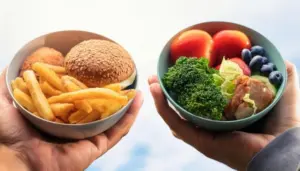
Drinks can quietly add a significant number of calories, especially when they contain sugar, cream, syrups, or sweetened flavouring. Choosing unsweetened options can help you keep your overall calorie intake lower.
- Plain water or infused water with lemon, mint, cucumber, or berries
- Black coffee, without sugar or creamer
- Unsweetened green, black, or herbal tea
- Clear vegetable or chicken broth
- Sparkling water with no added sugar
Non-Calorie Food vs Low-Calorie Food
The main difference is that non-calorie foods contain virtually no usable energy, while low-calorie foods contain a small but measurable number of calories. In reality, only water is truly calorie-free; most foods marketed as “zero-calorie” simply contain very few calories per serving.
| Feature | Non-calorie food | Low-calorie food |
|---|---|---|
| Calorie content | Almost none, usually 0–5 calories per serving | Usually about 20–50 calories per serving or 100 g |
| Common examples | Water, black coffee, unsweetened tea, plain sparkling water | Cucumber, celery, lettuce, spinach, mushrooms, berries |
| Main role | Hydration and replacing sugary drinks | Adding volume, fibre, and nutrients to meals |
| Effect on fullness | May reduce thirst-driven hunger, but does not provide lasting satiety | Helps you feel fuller for longer due to water and fibre |
| Weight-loss role | Helps cut liquid calories | Helps reduce overall calorie intake without eating less food |
A useful way to remember the difference is this: non-calorie foods help you avoid extra calories, while low-calorie foods help you eat more food for fewer calories. For example, replacing a sugary soft drink with water is a non-calorie swap, while adding cucumber and lettuce to a sandwich is a low-calorie swap.
Turn Your Passion for Fitness into a Profession
Learn practical skills, get certified, and step into the growing fitness industry with confidence.
Join the CourseHow Zero-Calorie Foods Help in Weight Loss
Zero- and low-calorie foods can support weight loss by making it easier to maintain a calorie deficit—the state in which you burn more calories than you consume. Since reducing daily calorie intake is the most important factor for weight loss, these foods can be a practical tool when used correctly.
They help in four main ways:
- Increase meal volume: Water-rich foods such as cucumber, lettuce, and broth add bulk to your plate without adding many calories.
- Improve fullness: Fibre and water slow digestion and help reduce hunger between meals.
- Reduce calorie-dense ingredients: You can replace part of a high-calorie meal with vegetables, such as using cauliflower rice instead of a full serving of rice.
- Replace liquid calories: Water, black coffee, and unsweetened tea contain virtually no calories, unlike soft drinks, sweetened coffee, and packaged juices.
For example, if you add a large salad made with lettuce, cucumber, tomato, and mushrooms before lunch, you may feel satisfied with a smaller portion of rice, pasta, or fried food. This can naturally lower your total calorie intake without making you feel deprived.
However, these foods do not “burn fat” or create a calorie deficit on their own. Weight loss still depends on your overall diet, activity level, sleep, stress, and long-term consistency.
Also read: What is Isabgol (Psyllium Husk)?
Side Effects of Eating Low-Calorie Foods
Low-calorie foods are generally safe and healthy when they are part of a balanced diet. Problems usually occur when people eat only these foods, restrict calories too severely, or rely on processed “diet” products instead of nutritious meals.
Possible side effects include:
- Nutrient deficiencies: Vegetables alone may not provide enough protein, healthy fats, iron, vitamin B12, calcium, or essential fatty acids.
- Low energy and fatigue: Eating too few calories can cause tiredness, weakness, poor concentration, and reduced exercise performance.
- Increased hunger and cravings: Extremely restrictive eating may lead to intense hunger, binge eating, or an unhealthy relationship with food.
- Digestive discomfort: Suddenly eating large amounts of raw vegetables, cabbage, cauliflower, or beans can cause bloating, gas, or stomach discomfort in some people.
- Muscle loss: If a very low-calorie diet does not include enough protein and strength training, the body may lose muscle along with fat.
- Reduced diet sustainability: Eating only “zero-calorie” foods is difficult to maintain and can lead to rebound weight gain once normal eating resumes.
How to Avoid These Side Effects
Use low-calorie foods as an addition to meals, not as the entire meal. A balanced plate should include vegetables, a protein source, whole grains or starchy vegetables, and healthy fats.
- Add protein such as eggs, dal, paneer, curd, chicken, fish, tofu, or legumes.
- Include healthy fats in small amounts, such as nuts, seeds, olive oil, ghee, or avocado.
- Increase high-fibre vegetables gradually to reduce bloating.
- Drink enough water, especially if you eat more fibre.
- Avoid extreme diets that eliminate entire food groups.
- Speak with a doctor or registered dietitian before following a very low-calorie diet, particularly if you have a medical condition, diabetes, kidney disease, or a history of eating disorders.
Final Thoughts
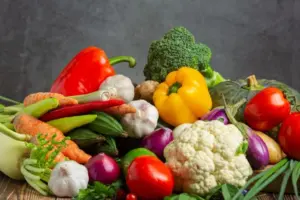
Adding foods such as cucumber, celery, lettuce, spinach, zucchini, tomatoes, radish, mushrooms, berries, and clear broth can make your meals larger, fresher, and more satisfying without adding many calories. Use them to increase the vegetable content of your diet, but continue eating adequate protein, healthy fats, and whole grains for long-term health.
Turn Your Passion for Fitness into a Profession
Learn practical skills, get certified, and step into the growing fitness industry with confidence.
Join the CourseFrequently Asked Questions
Are zero-calorie foods real?
No food is completely calorie-free except water. However, many foods contain so few calories per serving that they are commonly called zero-calorie foods.
Can I lose weight by eating only cucumber and celery?
No. While these foods are low in calories, relying only on them can lead to low energy, hunger, and nutrient deficiencies. Sustainable weight loss requires a balanced diet and an overall calorie deficit.
Which fruit is lowest in calories?
Berries, watermelon, citrus fruits, and peaches are relatively low-calorie fruits. A half-cup of mixed berries contains about 35 calories, though exact values vary by fruit and serving size.
Are pickles zero-calorie?
Dill pickles can be very low in calories—about 12 calories per 100 grams—but they may contain a lot of sodium. Choose varieties without added sugar and eat them in moderation.
Do negative-calorie foods burn fat?
There is no strong scientific evidence that any food burns more calories during digestion than it provides. Low-calorie foods can still support weight management by helping you feel full on fewer calories.