Table of Contents
Every beauty professional should master seven essential hair styling techniques: precision haircutting, professional blow-drying, heat styling (curling and straightening), braiding and bridal updos, hair coloring and chemical treatments, scalp care and hair spa services, and proper tool usage.
These skills form the foundation of a successful career in salons, bridal styling, and editorial work. Mastering these techniques helps stylists build loyal clients, command premium prices, and earn referrals.
Master Advanced Skincare, Makeup, Hair, and Salon Management. Enrol Now!
KEY TAKEAWAYS
- Precision haircutting techniques like blunt cutting, layering, and texturizing shape the face and build confidence.
- Professional blow-drying with the right brush selection and heat direction creates sleek finishes or bouncy volume.
- Heat styling with curling irons, straighteners, and wavers allows complete hair texture transformation.
- Braiding and bridal hairstyling offer year-round work and high income, especially in India’s wedding market .
- Hair coloring and chemical treatments require scientific knowledge and build premium services.
- Scalp care and hair spa treatments build trust and repeat clients who return monthly.
- Knowing how to use and maintain professional tools ensures safe, effective, and consistent results.
INTRODUCTION
The beauty industry is growing fast, and hairstylists today play a major role in boosting confidence and personality. Clients expect professional techniques that change their look and solve everyday hair problems like frizz, lack of volume, or rough texture.
A skilled hair stylist must understand different hair types, face shapes, and styling tools to create suitable looks for every occasion.
Mastering different hairstyling skills is essential for anyone who wants to build a strong reputation in salons, bridal styling, editorial shoots, or freelance hairstyling. This guide covers the essential techniques every beauty professional should learn.
Master Makeup, Hair & Skincare to Build Your Beauty Identity
Unlock your creative potential with our expert-led Beauty & Wellness course. Build in-demand beauty skills and step confidently into the world of beauty!
Your Beauty Career Starts Here!EXPERT HAIR CUTTING TECHNIQUES
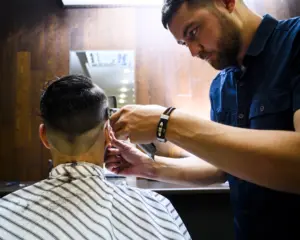
A proper haircut is the backbone of every hairstyle. It shapes the face, builds confidence, and reflects personality. A professional stylist must understand face structures, jawlines, hair texture, and density to craft personalized looks.
Blunt cutting creates sharp, modern finishes. Layering removes heaviness and gives natural movement. Razor cutting adds softness to thick or curly hair. Texturizing helps manage unruly volume.
These advanced cutting skills help solve common issues like flat hair on the crown, uneven edges, extra frizz, and lack of shape. A stylist who offers customized haircuts earns strong client loyalty because clients return every 4 to 6 weeks for maintenance, ensuring steady business and trust .
Texturizing shears and feather razors are essential tools for creating softer finishes and movement . Clipper over comb and scissors over comb techniques are also fundamental for barbering and men’s haircuts .
PROFESSIONAL BLOW-DRYING AND FINISHING TECHNIQUES
A flawless blowout can make even a simple haircut look glamorous. Mastering professional blow-drying requires correct brush selection, heat direction, and styling product knowledge. A high-quality blow dryer is the foundation of every successful blowout.
Brush selection matters. Small round brushes create tight curls and lift near the roots. Medium round brushes provide versatile volume for everyday blowouts. Large round brushes produce sleek finishes and loose bends on long or thick hair. Paddle brushes create smooth, straight blowouts.
The right brush type matters as much as size. Ceramic-coated round brushes distribute heat evenly for smooth, uniform styling. Anti-static ionic brushes break down water molecules quickly for faster drying and reduced frizz.
Professional dryers should have tourmaline technology to reduce frizz and seal in moisture. Multiple heat and speed settings allow customization for different hair types. The cool shot setting helps settle the style.
A stylist must know how to create sleek straight finishes, bouncy curls, and high-volume looks without damaging the hair. Good finishing elevates the final look, making it camera-ready and long-lasting.
CURLING, STRAIGHTENING, AND HEAT STYLING METHODS
Heat tools allow stylists to completely transform hair texture, from frizzy to silky smooth or from straight to voluminous curls. Learning how to create Hollywood curls, beach waves, waterfall curls, and sleek glass hair gives endless options for event styling.
Curling irons create defined curls and ringlets. The barrel size determines the curl tightness. Smaller barrels produce tighter curls, and larger barrels create looser waves. Ceramic or tourmaline plates are gentler on hair.
Flat irons are versatile multitaskers. Beyond straightening, they can create natural-looking, long-lasting curls. Celebrity stylists use them to create everything from soft waves to bouncy curls. The key is using the right technique: clamp near the root, rotate half a turn away from the face, and glide slowly down the strand.
Heat application must be professional to avoid breakage and dryness. Understanding section size, tool temperature, and proper prep products is crucial. Always use a heat protectant to protect hair health.
This technique is highly profitable because every special occasion brings styling requests. A stylist skilled in heat techniques can always upsell services and increase earnings.
Master Makeup, Hair & Skincare to Build Your Beauty Identity
Unlock your creative potential with our expert-led Beauty & Wellness course. Build in-demand beauty skills and step confidently into the world of beauty!
Your Beauty Career Starts Here!BRAIDING AND BRIDAL HAIRSTYLING TECHNIQUES
India is a land of celebrations, and bridal hairstyling offers year-round work and high income. A professional stylist needs expertise in French, Dutch, fishtail, and rope braids, as well as traditional Indian bridal buns with padding, extensions, and jewel accessories.
Bridal styling requires creativity, patience, and strong product knowledge to ensure the hairstyle stays intact for long hours under heat, sweat, and heavy dupattas.
Updos for formal events like weddings and parties require practice and creativity to achieve professional results. Techniques like backcombing create volume at the roots, and hair setting with rollers or pins shapes the hair into curls or waves.
When you master bridal updos and trendy braids, your demand increases automatically through referrals, makeup artists, and wedding planners. Many stylists build entire careers focused on bridal and festive hairstyling.
HAIR COLORING AND CHEMICAL STYLING MASTERY
Hair coloring is a high-value service that requires scientific knowledge along with creativity. A stylist must understand undertones, developer strengths, grey coverage, balayage, ombre, highlights, lowlights, and color correction to provide personalized results.
Coloring is not just about fashion. It enhances personality, adds dimension, and solves common problems like dullness or visible greys. Clients trust only trained professionals with chemical treatments because wrong coloring can cause breakage or scalp reactions.
Advanced techniques like balayage, color melting, and modern highlights are increasingly popular. Multi-dimensional foil highlights and lowlights, virgin bleach application, lightening retouch, and toner services require precision and skill.
When you become an expert in safe, modern coloring techniques, clients willingly pay premium prices.
HAIR SPA, SCALP CARE, AND TREATMENT KNOWLEDGE
Beautiful hairstyles always start with healthy hair. A professional stylist must know how to analyze scalp conditions like dandruff, dryness, or oiliness and suggest customized treatments such as keratin, botox, hydration spa, or smoothing therapies.
Scalp analysis is the foundation of successful treatments. A scalp analyzer helps identify concerns before recommending treatments, making every service more targeted and effective.
Aromatherapy and massage techniques for scalp health promote relaxation, stimulate blood circulation, and support hair growth. Nutrition also impacts scalp and hair health, and understanding this connection builds credibility.
Offering proper hair care advice builds trust. When clients notice visible improvement in their hair quality, they prefer returning only to you, making you their personal hairstylist for years.
HAIR STYLING TOOLS EVERY PROFESSIONAL NEEDS
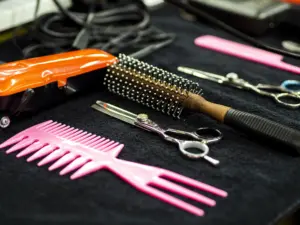
Every stylist needs a well-stocked kit with essential tools. A professional hair dryer with tourmaline technology and multiple heat settings is essential. Curling irons and straighteners with ceramic or tourmaline plates are versatile investments.
Brushes are equally important. Round brushes in different sizes, paddle brushes for smooth finishes, and teasing brushes for volume are must-haves. Sectioning clips and a multi-tail styling comb are also essential.
Texturizing shears and feather razors create softer finishes and movement. All tools must be cleaned and sanitized regularly to maintain hygiene standards in the salon environment.
TIPS TO IMPROVE HAIR STYLING SKILLS
Practice is essential for improving hair styling skills. Daily practice on training heads or willing friends builds muscle memory and speed. Continuous learning through advanced courses in bridal makeup, haircutting, or coloring techniques keeps your skills current.
Understanding face shapes helps you recommend flattering styles. Oval faces suit most styles, round faces benefit from volume on top, square faces soften with curls, and heart-shaped faces balance with volume near the chin.
Communication skills are equally important. Listening to what clients want, explaining services clearly, and building trust set professionals apart.
Building a portfolio with consistent before and after photos helps attract clients and build trust. Show your best work to demonstrate your skills.
Master Advanced Skincare, Makeup, Hair, and Salon Management. Enrol Now!
CONCLUSION
Every beauty professional must master these seven essential hair styling techniques to build a successful career. Precision haircutting shapes the face and builds confidence. Professional blow-drying creates polished, long-lasting styles. Heat styling transforms hair texture for any occasion.
Braiding and bridal hairstyling offer year-round work and high income. Hair coloring and chemical treatments build premium services. Scalp care and hair spa treatments build trust and repeat clients. And knowing how to use and maintain professional tools ensures safe, effective results.
A well-trained stylist earns more through premium services, builds strong client loyalty and referrals, and gets opportunities in salons, fashion, and weddings. With experience and creativity, hair stylists can also start their own business or freelance career. The beauty world rewards those who keep improving their craft.
Master Makeup, Hair & Skincare to Build Your Beauty Identity
Unlock your creative potential with our expert-led Beauty & Wellness course. Build in-demand beauty skills and step confidently into the world of beauty!
Your Beauty Career Starts Here!Frequently Asked Questions
What are the most important hair styling techniques for beginners?
The most important techniques for beginners are precision haircutting, professional blow-drying, and basic heat styling. These skills form the foundation of every hairstylist’s career. Learn blunt cutting, layering, round brush blowouts, and curling and straightening techniques first before moving to advanced skills.
How long does it take to learn professional hair styling techniques?
Most beginners need 6 to 12 months of consistent practice to become proficient in basic hair styling techniques. Advanced skills like bridal hairstyling and hair coloring take 1 to 2 years to master. Continuous learning through advanced courses and daily practice is essential for long-term success.
What tools does every hair stylist need in their kit?
Every stylist needs a professional hair dryer with tourmaline technology, ceramic curling irons and straighteners in multiple sizes, round brushes in small, medium, and large sizes, texturizing shears, sectioning clips, and a multi-tail styling comb. All tools must be cleaned and sanitized regularly.
How do I choose the right brush for blow-drying different hair types?
Small round brushes create tight curls and root lift for fine or short hair. Medium round brushes provide versatile volume for everyday blowouts. Large round brushes create sleek finishes on long or thick hair. Paddle brushes are best for smooth, straight blowouts on all hair types.
Why is scalp analysis important before hair treatments?
Scalp analysis helps identify concerns like dandruff, dryness, or oiliness before recommending treatments. This makes every service more targeted and effective. Clients notice visible improvement in hair quality, building trust and encouraging repeat visits.
What is the difference between balayage and traditional highlights?
Balayage is a freehand painting technique that creates natural, sun-kissed highlights with softer regrowth lines. Traditional highlights use foil to create more uniform, defined streaks. Balayage requires less frequent maintenance and is currently more popular among clients.
How can I improve my hair styling skills quickly?
Practice daily on training heads or willing friends to build muscle memory and speed. Watch professional tutorials and take advanced courses in bridal makeup, haircutting, or coloring techniques. Build a portfolio with consistent before and after photos to demonstrate your skills.
What safety precautions should I take when using heat styling tools?
Always use a heat protectant spray before applying any hot tools to prevent damage. Set tools to appropriate temperatures for different hair types. Fine or damaged hair needs lower heat settings. Never leave heated tools unattended and unplug them immediately after use.
How important is hair coloring knowledge for a beauty professional?
Hair coloring is very important because it is a high-value service that builds premium services. Understanding undertones, developer strengths, grey coverage, and color correction ensures safe, professional results. Clients trust only trained professionals with chemical treatments.