Table of Contents
Diwali quick‑commerce data show shoppers prioritize urgency and convenience over price. During the festival, people use 10 to 30‑minute delivery apps for last‑minute needs. Forgotten gifts, sweets, or puja items make immediate delivery the priority rather than hunting bargains.
Reports suggest that India’s e‑commerce orders rose 24% YoY at Diwali 2025, while quick‑commerce jumped 120% (Unicommerce). This shows that festival buyers choose speed and certainty over discounts.
Join Our Online Next Gen AI Digital Marketing Course & Learn the Fundamentals!
Key Takeaways
- Quick commerce orders rose 120% YoY at Diwali 2025 versus 24% for overall e‑commerce.
- Tier‑2 cities led growth (28%), ahead of metros/Tier‑1 (24%) and Tier‑3 (23%).
- Purchases focused on rituals and obligations – sweets, dry fruits, puja items, gifts, and beauty.
- D2C brands saw large gains, some doubling to quintupling sales via quick commerce.
- Big‑ticket e‑commerce remained muted since major purchases happened earlier.
- Prepaid transactions rose 26% and COD increased 22%, signalling higher trust.
- Average delivery times improved 15% YoY, making speed a key differentiator.
Why Diwali Changes Buying Behaviour
1: What is the primary goal of SEO (Search Engine Optimization)?
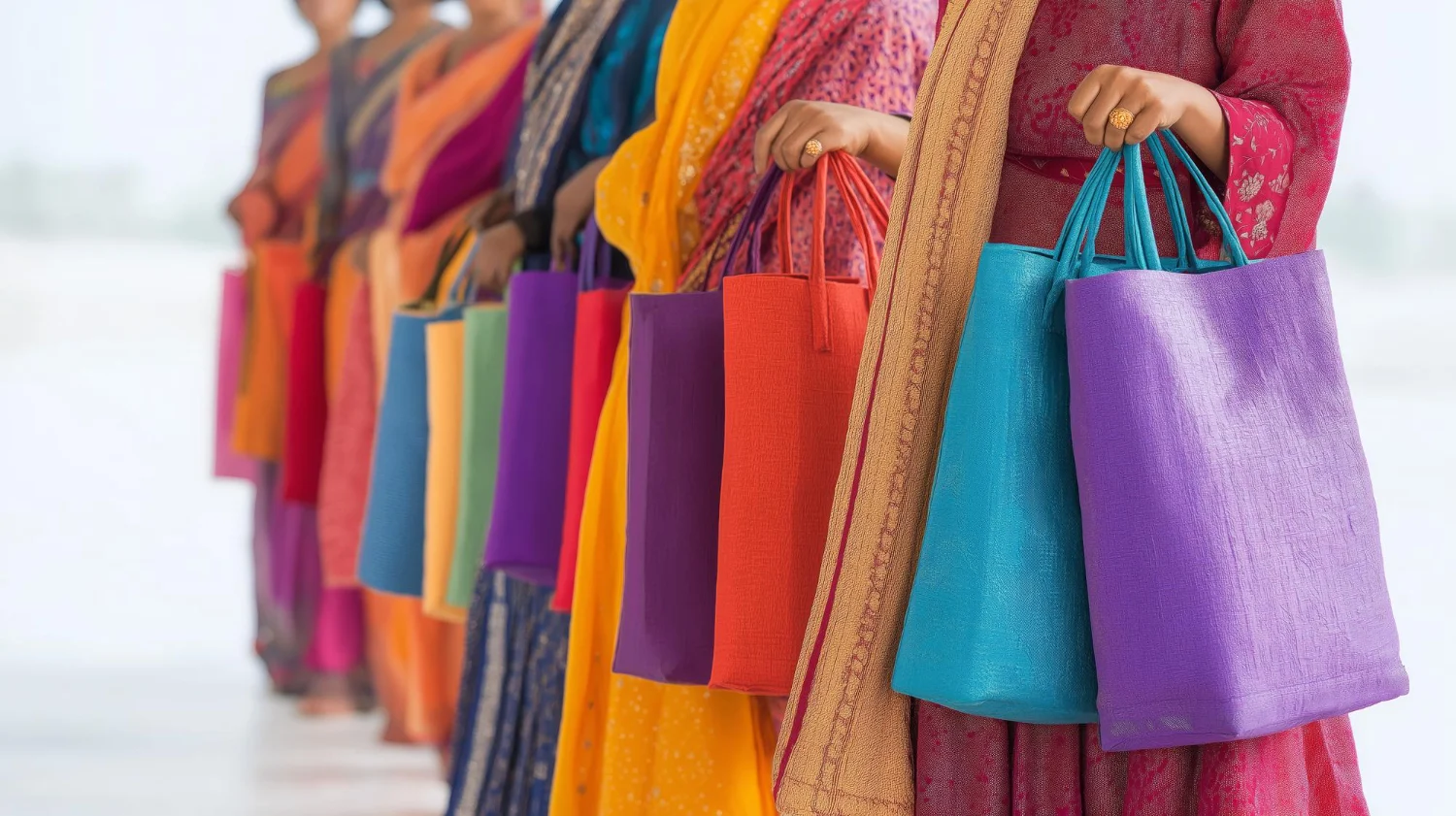
Diwali creates a compressed demand window where convenience beats comparison shopping. Instead of browsing multiple sites, shoppers need sweets, gifts, decor, and puja items right now. This makes quick commerce the natural first choice.
Coverage of the 2025 season noted a clear pattern. Demand surged in the final days before Diwali for
- gifting items
- dry fruits
- puja essentials
- festive lighting
This happens even as traditional e-commerce demand cooled as larger purchases had already been completed earlier.
This is not purely a shopping-channel story. It is a psychological story. Diwali buying is shaped by rituals, social expectations, and the quiet anxiety of being unprepared when guests arrive.
Consumers reward platforms that reduce that stress. This is why sweets, dry fruits, gifting, decor, and personal care see disproportionate demand in the final 48 to 72 hours before the festival.
| Signal | What it suggests | Why it matters |
| 24% rise in overall e-commerce orders | Festive demand stayed strong overall | The market expanded, but behaviour became time-sensitive |
| 120% rise in quick commerce orders | Speed became the primary purchase trigger | Consumers prioritised immediacy over comparison |
| Tier 2 cities grew fastest at 28% | Adoption is spreading beyond metros | Campaigns can no longer be metro-first |
| D2C brands saw 2x–5x order jumps via quick commerce | Niche brands win last-minute attention | Festive discovery now happens on delivery apps |
Become an AI-powered Digital Marketing Expert
Master AI-Driven Digital Marketing: Learn Core Skills and Tools to Lead the Industry!
Explore CourseWhat Consumers are Really Signalling
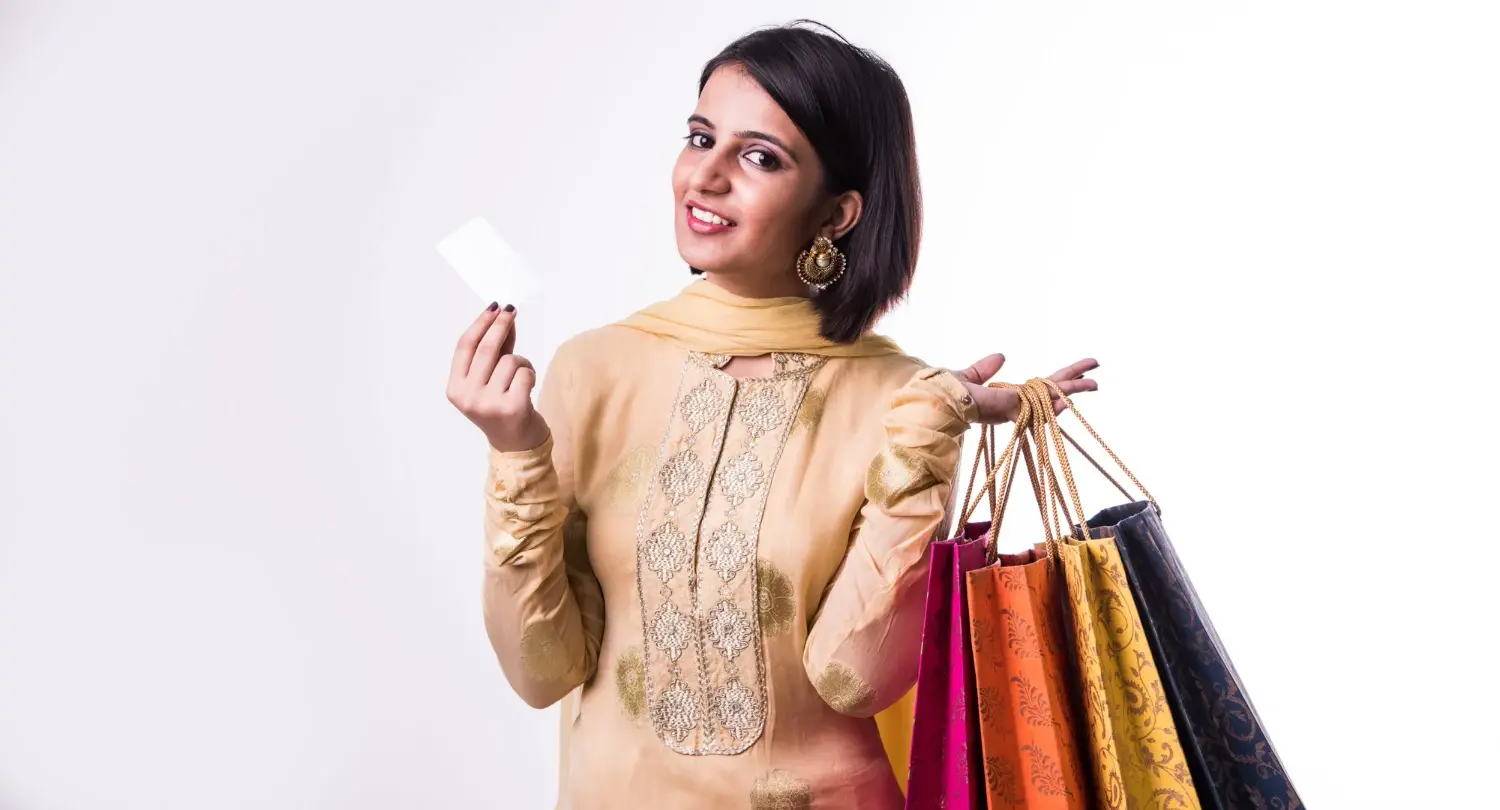
Diwali data points to four psychological drivers.
- Urgency
- Ritual completion
- Social signalling
- Decision simplification
“Delivered tonight” promises work because they remove hesitation and give shoppers one clear reason to act now.
Quick commerce also wins when it helps people complete culturally important tasks rather than simply offering the lowest price. These can be puja items, sweets, and last-minute gifts.
Unicommerce’s festive analysis found FMCG led growth. Whereas home decor, beauty and wellness, and health and pharma also saw strong traction. It proves that shoppers are racing through a festival checklist, not comparison shopping.
Urgency and scarcity:
Diwali purchases often can’t be postponed. A “delivered tonight” promise removes the biggest barrier, uncertainty, so speed-led campaigns tend to outperform generic discount creative.
Ritual maintenance:
Many purchases are non-negotiable duties, not discretionary buys. Shoppers are not always chasing the cheapest option. They are buying whatever helps them complete an obligation on time, which makes availability and trust matter more than deep discounts.
Social signalling:
Gifting remains one of the strongest festive motives. Reports on 2025 noted D2C gifting-adjacent brands recording sharp spikes through quick commerce. One reported a fivefold jump in sales, another a 30% to 40% increase.
Decision simplification:
Curated “Diwali essentials” shelves and combo packs lower mental effort and speed up checkout. This matters because festive shopping happens in short, urgent bursts rather than long research sessions.
What the Benchmarks Show
Quick commerce outperformed broader e-commerce during Diwali 2025 because it matched the buyer’s emotional state.
Unicommerce’s analysis of over 150 million transactions showed total order volumes grew 24% and GMV grew 23%. On the other hand, quick commerce grew far faster at 120% YoY. That gap suggests consumers reserve quick commerce for urgent, low-friction purchases rather than planned, big-ticket buying.
City-tier data reinforces this. Tier 2 and 3 cities together contributed nearly 55% of total festive orders, and Tier 2 cities led growth at 28%. Diwali quick commerce is no longer a metro tactic. It matters across a much wider swathe of urban India.
| Benchmark | Figure | Interpretation |
| E-commerce order growth, Diwali 2025 | 24% YoY | Festive demand remained healthy overall |
| E-commerce GMV growth, Diwali 2025 | 23% YoY | Basket value also improved |
| Quick commerce order growth, Diwali 2025 | 120% YoY | Q-commerce captured the strongest demand surge |
| Tier 2 city order growth | 28% YoY | Fastest-growing city tier this season |
| Tier 2+3 share of total festive orders | ~55% | Demand spread well beyond metros |
| Delivery time improvement | 15% faster YoY | Operations kept pace with demand |
| Prepaid transaction growth | 26% YoY | Rising trust in digital-first payments |
Which Campaign Mechanics Work Best

The most effective Diwali campaigns combine speed promises, trust cues, and festive curation. In 2025, quick commerce platforms rolled out festive perks like zero delivery charges and gifting add-ons. On the other hand, D2C brands leaned on these apps for last-minute discovery.
Broader data on Indian festive shopping found discounts remain a strong hook for first-time buyers. But free shipping and exclusive products were nearly as influential, and fast delivery was cited by a similar share of shoppers as a reason for picking a platform.
The Message – price opens the door, but speed and certainty close the sale.
Formats that work:
- Speed-led messaging (“delivered tonight”)
- Curated bundles (sweets + diyas, puja kits)
- Social proof (ratings, bestseller tags)
- Trust-led offers (verified sellers, easy refunds, clear ETAs)
- Zero-friction extras like free delivery or festive packaging
Become an AI-powered Digital Marketing Expert
Master AI-Driven Digital Marketing: Learn Core Skills and Tools to Lead the Industry!
Explore CourseWhat Brands Should Do Differently
Brands should stop treating Diwali quick commerce as only a discounting play. The bigger opportunity is matching the consumer’s festival mindset with messaging that reduces anxiety and builds confidence.
Segmentation matters more than one blanket campaign. This is because last-minute shoppers, gift buyers, and ritual buyers each respond to different triggers.
| Audience | Best trigger | Message style |
| Last-minute shoppers | Speed and availability | “Delivered before Diwali, tonight” |
| Gift buyers | Curation and presentation | “Curated Diwali gift packs, ready to send” |
| Ritual buyers | Trust and completeness | “Everything for your puja thali, in one cart” |
| Value shoppers | Deals and bundles | “Festival combo savings, while stocks last” |
The Operational Truth behind the Psychology
Consumer psychology only works when operations keep up. If a platform promises instant delivery and misses it, the psychological advantage vanishes fast. Festive shoppers are unforgiving of a late order right before guests arrive.
This is the hidden lesson of every successful Diwali campaign. Demand is emotional, but fulfilment is operational. Unicommerce’s logistics data confirms this. Average delivery times improved 15% YoY in 2025. This is driven by better supply chain readiness and last-mile execution.
What to measure:
Conversion rate, average order value, on-time delivery rate, cancellation rate at peak, and repeat purchase rate in the 30 days after Diwali.
Join Our Online Next Gen AI Digital Marketing Course & Learn the Fundamentals!
Conclusion
Diwali quick commerce campaigns reveal that Indian consumers shop with urgency. Most importantly, this happens especially during rituals, and with social intent. It is not primarily price sensitivity. The strongest brands in 2025 combined speed, curation, and trust into one believable festival promise.
Quick commerce order volumes grew immensely during Diwali 2025 even as overall e-commerce growth was modest comparatively. Tier 2 cities emerged as the fastest-growing segment. D2C brands, on the other hand, rode the wave to some of their biggest sales days of the year.
For marketers, the takeaway is simple. Festive campaigns that solve anxiety and timing will always outperform the ones that solve merely for price.
Frequently Asked Questions
What do Diwali quick commerce campaigns reveal about consumer psychology?
They show festive shoppers prioritise speed and ritual completion over price comparison, driven by urgency and social obligation rather than discounts alone.
How much did quick commerce orders grow during Diwali 2025?
Quick commerce order volumes grew 120% YoY, per Unicommerce, far ahead of overall e-commerce order growth of 24%.
Why do consumers prefer quick commerce during Diwali over regular e-commerce?
Diwali creates urgent needs like sweets, gifts, and puja items that can’t wait for standard delivery timelines, and quick commerce removes that uncertainty with delivery in minutes.
Which product categories perform best on quick commerce during Diwali?
FMCG items like fusion sweets and dry fruit assortments led growth, alongside home decor, beauty and wellness, and health and pharma products.
Why did traditional e-commerce demand stay comparatively muted during Diwali 2025?
Many shoppers had already completed large, planned purchases like electronics and fashion earlier, leaving quick commerce to capture the remaining last-minute demand.
What campaign messaging works best for Diwali quick commerce?
Messaging built around delivery speed, curated bundles, and trust signals like verified sellers and easy refunds outperforms generic discount-led creative.
What KPIs should brands track for Diwali quick commerce campaigns?
Beyond conversion rate and average order value, brands should track on-time delivery rate, cancellation rate, and repeat purchase rate after Diwali.
Is gifting a major driver of Diwali quick commerce demand?
Yes.Shoppers use these platforms to source host gifts and presentation-ready combos at the last minute, making gifting one of the strongest festive motives.
What is the biggest operational risk for quick commerce brands during Diwali?
The biggest risk is promising fast delivery and failing to meet it, which erodes trust instantly during a high-stress shopping period.
What should brands focus on for next year's Diwali quick commerce strategy?
Brands should move beyond discount-only campaigns and build a layered strategy combining speed, curation, and trust for different shopper segments.