Table of Contents
AI-generated visual trends work as a growth hack as they let brands produce scroll-stopping, highly shareable content in minutes instead of weeks. This matters now more than ever.
Currently, AI-powered content creation is going mainstream among marketers. These leave the feeds saturated. Also, platforms increasingly reward formats that are visually distinctive and easy for audiences to remix.
Join Our Online Next Gen AI Digital Marketing Course & Learn the Fundamentals!
Key Takeaways
- AI visuals spread because they are novel, emotive, and cheap to make.
- 2026 styles – toy-action-figure portraits, cinematic edits, miniatures, retro/Y2K, scrapbook collages.
- Marketers can create many visual variants quickly without reshoots.
- A counter-trend favours content that’s intentionally imperfect.
- Undisclosed AI content worries many users. Transparency builds trust.
- Pick one or two trends that match your brand instead of chasing all.
What are AI-Generated Visual Trends?
1: What is the primary goal of SEO (Search Engine Optimization)?
AI-generated visual trends are prompt-based image styles that spread quickly as they look unique and emotionally familiar.
Rather than being one-off graphics, they function as repeatable templates. This is a structure that creators and brands can apply to their own photos, products, or characters.
Most trends follow a similar life cycle:
- A creator posts an AI-made image with a distinctive style.
- Others copy the format with their own inputs.
- Within days the aesthetic becomes a content template used across thousands of posts.
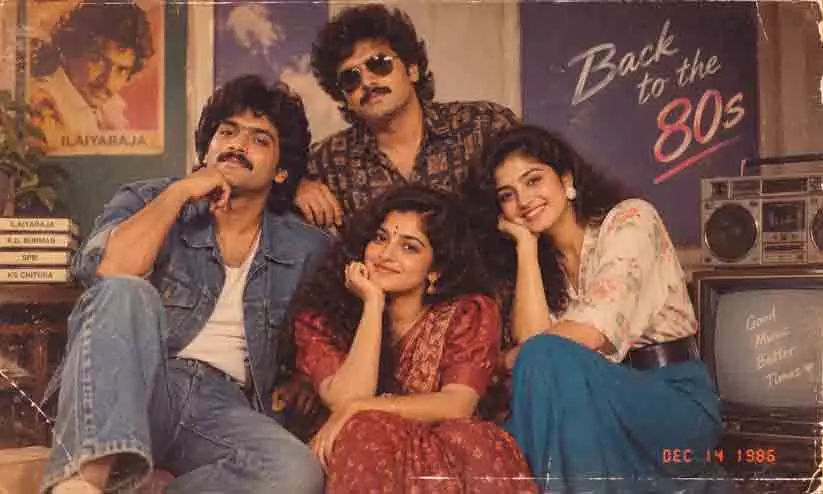
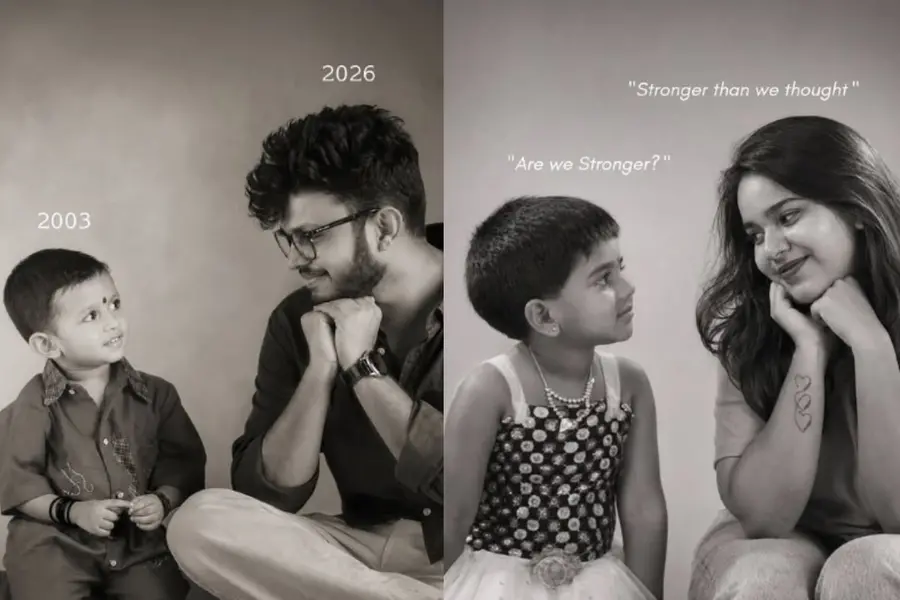
Some formats are pure novelty. Others, like the “AI time machine” and age-progression styles, tap into nostalgia and personal storytelling. This, in particular, tends to extend their shelf life beyond a typical meme cycle.
Also read: How to Create Viral 80s Portraits Using ChatGPT
Become an AI-powered Digital Marketing Expert
Master AI-Driven Digital Marketing: Learn Core Skills and Tools to Lead the Industry!
Explore CourseWhy they Work in Marketing
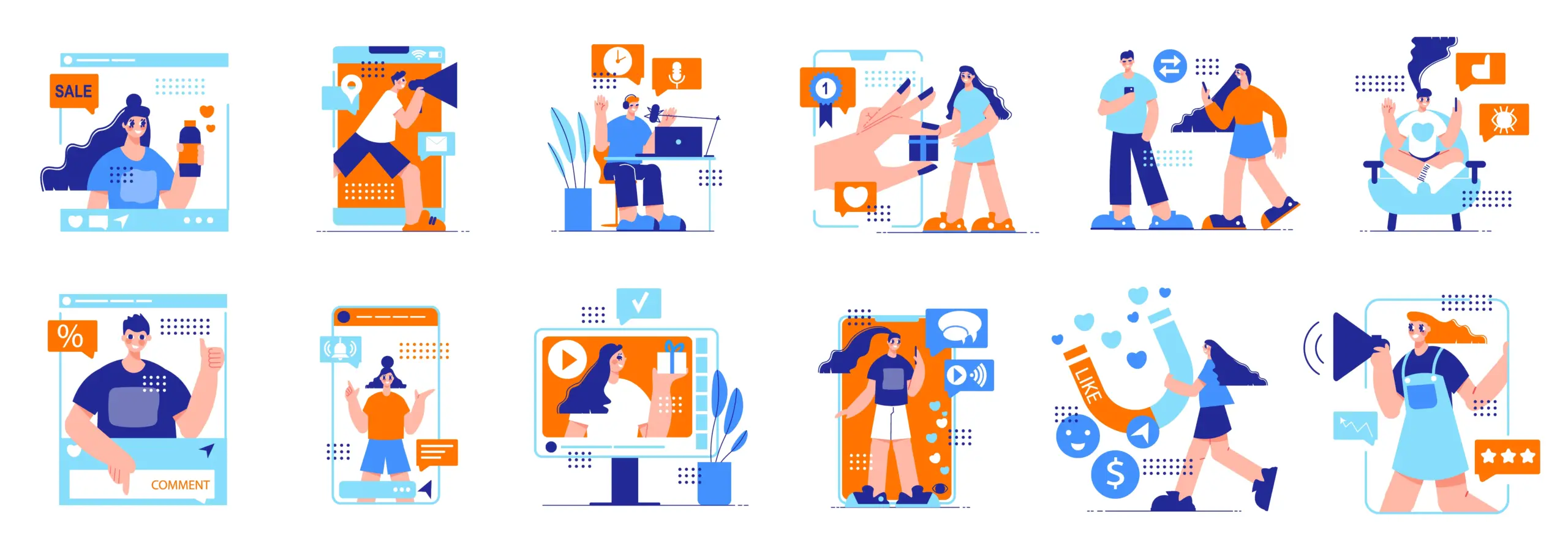
AI visuals succeed in marketing because they solve two problems at once:
- Production speed
- Emotional engagement
A brand that once needed a photoshoot and a design queue can now generate multiple creative directions in an afternoon. This makes A/B testing far more practical for social content.
They also perform well because they trigger a reaction. Nostalgia, humour, curiosity, and personalization all encourage people to pause, comment, save, or share. These are the exact signals social algorithms use to extend reach.
This is especially valuable for social-first campaigns. Here a slightly rough, highly relatable post can outperform a glossy, expensively produced one.
Popular AI Visual Trends Right Now
| Trend | What it Looks Like | Why it Works |
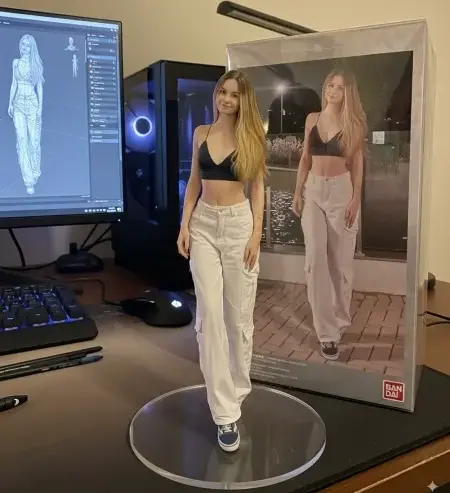
| Toy-style / action figure portraits | Collectible-figure packaging, glossy plastic textures, tiny accessories | Playful, ego-flattering “main character” framing; extremely shareable |
| Cinematic portraits | Movie-poster lighting, dramatic framing, premium color grading | Feels bold and high-value with minimal effort |
| Miniature worlds | Diorama-style scenes built around a product, place, or memory | Surprising and visually clever; strong scroll-stopping power |
| Retro / Y2K edits | Film grain, flash photography, early-2000s or VHS-era styling | Strong nostalgia and instant personality |
| Scrapbook collages | Cutouts, torn paper, handwritten notes, Polaroid-style layouts | Feels personal, tactile, and story-driven |
| Decade or age-progression edits | Same subject shown across different eras or life stages | Encourages long viewing time and comment engagement |
The toy-style trend is currently the most dominant of these. This is largely because it lets ordinary users and brand accounts alike frame themselves as a “limited-edition” collectible.
It is a format that works equally well for personal creators, product mascots, and team or event content.
How Marketers can Use them
Brands can apply AI visual trends across both organic and paid social content, including carousel posts, reel cover images, teaser graphics, and launch campaigns.
The biggest practical advantage is flexibility. The same campaign concept can be rendered in two or three different visual styles. Then they are tested to see which resonates with a given audience segment before scaling ad spend behind it.
This is particularly useful for smaller teams. A solo creator or a startup without a large design budget can produce high-impact, on-trend visuals without commissioning a full photoshoot. It can help close much of the production gap that used to favour bigger brands.
Become an AI-powered Digital Marketing Expert
Master AI-Driven Digital Marketing: Learn Core Skills and Tools to Lead the Industry!
Explore CourseBenefits for Brands
| Benefit | Impact |
| Faster production | Cuts creative turnaround from days to hours |
| Lower cost per asset | Reduces dependency on photoshoots and design queues |
| Easier experimentation | Multiple styles can be tested against the same message |
| Improved engagement odds | Novel, emotionally resonant visuals earn more saves and shares |
| Accessibility for small teams | Lets solo creators and startups compete visually with bigger budgets |
Risks and the Trust Factor
AI visual trends are powerful. But they carry real risks if used carelessly. Brands that chase every viral style without a clear reason can end up with a feed that feels generic or disconnected from their actual identity. This is the opposite of the differentiation these trends are meant to deliver.
There is also a growing authenticity backlash. AI-generated images have become flawless and instantly available. A meaningful share of social audiences say they are uncomfortable with brand content that uses AI visuals without disclosure. Some consumers report being less comfortable engaging with content they suspect is synthetic.
This has fed a counter-trend often described as “imperfect by design,” where raw, phone-shot, or deliberately unpolished content is used specifically to signal that a real person is behind the post.
For categories where credibility is central – finance, healthcare, education – this trust factor deserves extra caution. AI should support the brand’s story, not create doubt about what is real.
How to Use AI Visual Trends Smartly
The most effective approach is matching the trend to the brand’s actual message rather than adopting a style purely because it is viral.
A playful toy-style image might suit a youth-focused or creator-led brand. Whereas a cinematic edit may fit a premium product or service better.
A few practical habits help this work consistently:
- Keep prompts simple, consistent, and tied to a campaign goal.
- Disclose AI visuals in trust-sensitive contexts.
- Pair each visual with a strong caption and clear CTA.
- Set light brand guardrails (colours, tone, packaging).
- Track formats that drive engagement or clicks before scaling.
Join Our Online Next Gen AI Digital Marketing Course & Learn the Fundamentals!
Conclusion
AI-generated visual trends have moved past the experimental stage. It has stepped into a genuinely practical growth lever for social media marketing. It is capable of expanding, sparking engagement, and supporting brand recall when used with intent.
The advantage doesn’t fall on copying every viral format. It comes from selecting the trend that fits a brand’s audience as well as the message. Not just that, it is equally crucial that you execute it with a consistent identity, and be transparent about how the content was made.
Brands that treat AI visuals as one tool within a broader content strategy are the ones that turn a passing trend into lasting growth.
Frequently Asked Questions
Why are AI visual trends considered a growth hack?
They let brands produce multiple high-engagement visuals quickly and cheaply, which speeds up testing and content output. This combination of speed and shareability makes them unusually efficient for driving reach.
Do AI-generated visuals actually improve engagement?
Yes, largely because they trigger strong emotional reactions like nostalgia, humor, or curiosity, which encourage saves and shares. These are the same signals most social algorithms use to extend a post’s reach.
Are AI visuals suitable for every brand?
Not automatically. The style needs to match brand tone and audience expectations. A playful trend can undercut a premium or trust-sensitive brand if it feels mismatched.
Is it necessary to disclose that a visual is AI-generated?
It is strongly recommended, since a significant portion of social users say they’re uncomfortable with undisclosed AI content. Disclosure protects trust, especially for brands in finance, health, or education.
Can small businesses or solo creators benefit from AI visual trends?
Yes. This is one of their biggest advantages, since it removes the need for a professional photoshoot or design budget. A single creator can produce studio-quality visual variations directly from a smartphone photo.
How often should a brand test a new AI visual trend?
There is no fixed rule, but testing new formats on a portion of scheduled content helps measure impact without risking brand consistency. Performance data should guide whether a trend gets scaled or dropped.
What risks come with overusing AI visual trends?
Overuse can make a brand’s feed feel generic, repetitive, or disconnected from its core identity. It can also raise authenticity concerns if audiences feel content is synthetic without acknowledgment.
Do AI visuals replace the need for a content strategy?
No. They are a production tool, not a strategy on their own. Trends work best when tied to a clear campaign goal, consistent brand guidelines, and a strong caption or call to action.
What makes an AI visual trend last longer than a typical meme?
Trends built around personal storytelling or nostalgia, rather than pure novelty, tend to have longer shelf lives. Formats like age-progression or memory-based scrapbook styles keep resonating because they connect to something emotionally lasting.
What is the biggest mistake brands make with AI visual trends?
The most common mistake is chasing every viral style without checking whether it fits the brand’s message or audience. This leads to inconsistent, forgettable content instead of the differentiation these trends are meant to provide.