Table of Contents
Introduction
What you eat before and after exercise can shape your energy levels, performance, comfort, and recovery. You do not need complicated meal plans or expensive supplements; the goal is to give your body the right balance of carbohydrates, protein, fluids, and electrolytes at the right time.
Why Workout Nutrition Matters
Exercise places several demands on the body. Your muscles use glucose and stored glycogen for energy, you lose fluid and electrolytes through sweat, and challenging workouts create small amounts of muscle damage that need repair.
Carbohydrates are especially important because the body converts them into glucose, which muscles use during contraction. Protein helps rebuild muscle fibers after exercise, while water supports circulation, temperature control, joint lubrication, and recovery.
Good nutrition also affects how you feel during training. Eating too much, too little, or too close to a workout can cause bloating, nausea, low energy, or dizziness. The best approach is to experiment during normal training sessions and learn which foods and timings suit your body.
Become a General Fitness Trainer with Entri’s certified course!
Turn Your Passion for Fitness into a Profession
Learn practical skills, get certified, and step into the growing fitness industry with confidence.
Join the CourseWhat to Eat Before a Workout
A pre-workout meal should mainly provide carbohydrates, with some protein if you have enough time to digest it. Keep fat and fiber moderate before exercise because they slow digestion and may cause stomach discomfort during movement.
| Time before exercise | What to eat | Practical examples |
|---|---|---|
| 2–4 hours before | A balanced meal with carbohydrates, lean protein, and limited fat | Oatmeal with fruit and yogurt, eggs with whole-grain toast, rice with chicken, or a lentil-based meal |
| 1–2 hours before | A smaller meal or substantial snack | A banana with peanut butter, yogurt with berries, a smoothie, or toast with eggs |
| 30–60 minutes before | A light, easy-to-digest carbohydrate snack | A banana, apple, granola bar, crackers, or a small piece of toast |
| 5–10 minutes before | A quick carbohydrate, if needed | A piece of fruit or a few dates |
Before Cardio Workouts
For running, cycling, swimming, HIIT, or other endurance-based activities, carbohydrates should be the priority. They provide a readily available energy source and can help delay fatigue during longer sessions.
A banana, toast with honey, or a small bowl of cereal can work well shortly before exercise. If your session is longer than an hour, plan a carbohydrate-rich meal a few hours beforehand so your muscles have enough stored energy.
Before Strength Training
Strength workouts also benefit from carbohydrates, especially if you are lifting heavy weights or training for an extended period. Adding protein before exercise may support muscle maintenance and recovery, although total daily protein intake matters more than one perfectly timed meal.
Good options include Greek yogurt with fruit, eggs with toast, chicken with rice, or a smoothie containing milk, fruit, and protein powder. Choose foods you know your stomach tolerates well.
Before Yoga, Pilates, or Stretching
Lower-intensity sessions usually require less fuel. A light snack such as fruit, yogurt, or toast can prevent hunger without making you feel heavy or uncomfortable.
If you practice yoga early in the morning and feel comfortable training on an empty stomach, that can be fine too. Hydration still matters, so drink water beforehand and keep a bottle nearby.
Also read: High-Protein Indian Foods for Weight Loss
Should You Eat During a Workout?
For most workouts lasting under an hour, water is usually sufficient and a mid-session snack is not necessary. Your pre-workout meal and stored glycogen are typically enough to support a normal training session.
During longer, high-intensity workouts—such as long runs, cycling sessions, hikes, or sports matches—carbohydrates can help maintain energy. Easy options include a banana, raisins, energy chews, or a sports drink.
Sip fluids regularly instead of waiting until you feel very thirsty. For intense exercise lasting more than 30 minutes, especially in heat, a sports drink containing carbohydrates and electrolytes may help sustain performance.

What to Eat After a Workout
Post-workout nutrition has three main purposes: replace fluids, restore carbohydrate stores, and provide protein for muscle repair. A combination of carbohydrates and protein is generally more effective than protein alone.
| Recovery goal | Why it matters | Helpful foods |
|---|---|---|
| Rehydration | Replaces fluid lost through sweat | Water, milk, coconut water, or an electrolyte drink after heavy sweating |
| Glycogen replenishment | Restores energy used during exercise | Rice, whole-grain bread, oats, potatoes, sweet potatoes, fruit, or pasta |
| Muscle repair | Supports recovery after training | Eggs, chicken, fish, Greek yogurt, cottage cheese, tofu, beans, lentils, or protein powder |
| Micronutrients | Supports overall recovery and health | Fruits, vegetables, nuts, seeds, dairy, and whole grains |
Studies suggest eating a protein- and carbohydrate-containing snack within 2 hours after an intense workout, followed by a full meal within a few hours. However, you do not need to panic if you cannot eat immediately; total food intake across the day remains important.
Post-Workout Meal Ideas
These simple options combine recovery-friendly carbohydrates with protein:
- Greek yogurt with berries, granola, and honey
- A smoothie made with banana, berries, milk or soy milk, and protein powder
- Grilled chicken, tofu, or paneer with brown rice and vegetables
- A tuna, egg, or turkey sandwich on whole-grain bread
- Scrambled eggs with sweet potatoes and spinach
- Dal or lentils with rice and a side of vegetables
- Cottage cheese with fruit and whole-grain crackers
- Chocolate milk with a banana after a demanding cardio session
Turn your passion into a profession with Entri’s Advanced Certified Personal Trainer Course!
Turn Your Passion for Fitness into a Profession
Learn practical skills, get certified, and step into the growing fitness industry with confidence.
Join the CourseNutrition Tips for Every Workout
No matter what type of exercise you do, a few consistent habits can make your nutrition simpler and more effective. Start hydrated, choose foods that agree with your stomach, and match your fuel to the length and intensity of the session.
Start Hydrated
Do not wait until you are thirsty to drink water. Aim to begin exercise well hydrated by drinking fluids in the hours beforehand, then continue with small, regular sips during your workout.
A practical starting point is about 2–3 cups of water in the 2–3 hours before exercise and roughly 1/2 to 1 cup every 15–20 minutes during activity, adjusting for your body size, sweat rate, and weather.
Match Food to Workout Intensity
Short, easy workouts usually do not require extra snacks or sports drinks. For sessions lasting an hour or less, water and a normal balanced diet are often enough.
For workouts longer than 60 minutes, especially high-intensity or endurance sessions, add easily digestible carbohydrates during exercise. A banana, raisins, a sports drink, or another quick carbohydrate source can help maintain energy.
Keep Pre-Workout Meals Simple
Choose familiar foods that digest easily, particularly before higher-intensity training. Fruits, oatmeal, rice, toast, yogurt, and smoothies are generally easier on the stomach than large, fatty, or heavily processed meals.
Avoid trying a new food, supplement, or sports drink on the day of an important workout or competition. Test new nutrition strategies during regular training first.
Prioritize Protein Throughout the Day
While post-workout protein is useful, recovery depends on your overall daily intake as well. Including protein-rich foods at regular meals and snacks helps support muscle repair, strength, and adaptation to training.
Good options include eggs, dairy, chicken, fish, tofu, tempeh, beans, lentils, nuts, and seeds. Many guidance sources suggest roughly 20–40 grams of protein in a recovery meal or snack, with protein spread across the day.
Refuel With Carbohydrates and Protein
After exercise, combine carbohydrates to restore muscle energy stores with protein to support repair. Whole grains, fruit, starchy vegetables, dairy, eggs, lean meats, legumes, and soy foods all work well.
If possible, eat a carbohydrate- and protein-containing meal or snack within about two hours of finishing your workout. For very heavy training or back-to-back sessions, refueling sooner can be especially helpful.
Listen to Your Body
Hunger, energy levels, digestion, performance, and recovery are useful signals. If you feel sluggish before training, you may need more carbohydrates or an earlier meal; if you feel overly full, reduce the portion or allow more digestion time.
Consistency matters more than perfection. A sustainable routine built around balanced meals, regular hydration, and adequate recovery will support most people better than strict timing rules or trendy supplements.
Also read: Simple Healthy Eating Habits for Everyday Life
Hydration and Electrolytes
Hydration should begin before exercise, not after you already feel dehydrated. Drinking water in the hours leading up to a workout and sipping during activity helps support performance and reduces the risk of headaches, cramps, and fatigue.
For everyday workouts, plain water is usually enough. Electrolytes become more relevant when you sweat heavily, train in hot weather, or exercise for more than two hours at high intensity.
You can replace electrolytes through both drinks and food. Fruits, vegetables, dairy, nuts, seeds, fish, and salty foods can contribute sodium, potassium, magnesium, and other minerals. Sports drinks are useful in specific situations, but they are not essential for short or low-intensity workouts.
Common Mistakes to Avoid
- Skipping food before intense training: Low fuel can lead to weakness, poor focus, dizziness, or an early loss of energy.
- Eating a heavy meal right before exercise: Large portions, fatty foods, and high-fiber meals digest slowly and may cause discomfort.
- Ignoring carbohydrates: Carbs are not the enemy; they are a primary fuel source for many types of exercise.
- Underconsuming protein: Protein supports muscle repair, particularly after strength training or demanding workouts.
- Forgetting fluids: Dehydration can reduce performance and make recovery feel harder.
- Overusing supplements: Whole foods, enough calories, hydration, sleep, and consistent training provide the foundation; supplements should only fill specific gaps.
Sample Day of Workout Nutrition
Here is an example for someone doing an evening strength workout:
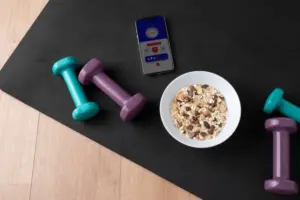
- Breakfast: Oats with milk, banana, and peanut butter
- Lunch: Rice, dal or lentils, vegetables, and curd or chicken
- Pre-workout snack, 60–90 minutes before: Fruit with yogurt or toast with a light spread
- During workout: Water; a sports drink only for a long or sweaty session
- Post-workout snack: A smoothie with banana, milk, and protein powder
- Dinner: Grilled chicken, tofu, eggs, or beans with rice or roti, vegetables, and salad
This pattern provides steady energy throughout the day, supports the workout, and supplies the nutrients needed for recovery.
Also read: Foods with Almost Zero Calories
How to Personalize Your Meals
There is no single perfect pre- or post-workout meal for everyone. Your ideal choices depend on the type of exercise, its duration and intensity, the time of day, your appetite, food preferences, and how quickly your stomach digests different foods.
Start with simple guidelines, then adjust based on results. If you feel heavy before training, reduce the portion or move the meal earlier. If you feel drained afterward, add more carbohydrates, protein, or fluids to your recovery meal.
Conclusion
Pre- and post-workout meals do not need to be complicated. Before exercise, focus on easily digestible carbohydrates, a moderate amount of protein when time allows, and adequate fluids. After exercise, rehydrate and eat a balanced combination of carbohydrates and protein to replenish energy and support muscle repair.
The most effective nutrition plan is one you can follow consistently. Choose familiar, nourishing foods, time them around your training schedule, listen to your body, and adjust portions as your workouts change. Over time, these small habits can make a meaningful difference in how energized, strong, and recovered you feel.
Turn Your Passion for Fitness into a Profession
Learn practical skills, get certified, and step into the growing fitness industry with confidence.
Join the CourseFrequently Asked Questions
Can I work out on an empty stomach?
Yes, many people can complete light or moderate workouts without eating first, especially early in the morning. However, fasting workouts may not suit everyone, particularly people who feel dizzy, weak, or unable to focus without food. If you choose to train fasted, start with an easy session, stay hydrated, and see how your body responds.
Is coffee a good pre-workout drink?
Coffee can help some people feel more alert before exercise because caffeine may reduce perceived effort and support endurance. If you use it, try it about 30–60 minutes before training and avoid taking it too late in the day if it affects your sleep. People who are sensitive to caffeine, pregnant, or managing certain health conditions should speak with a healthcare professional first.
Do I need pre-workout supplements?
No. For most people doing moderate exercise, balanced meals, enough carbohydrates and protein, hydration, and good sleep are sufficient. Pre-workout supplements may be useful for some trained individuals, but they are not essential and can contain stimulants or ingredients that may not suit everyone. Check with a doctor or registered dietitian before using them.
Is creatine useful for workout recovery?
Creatine monohydrate is one of the most researched supplements for supporting strength and high-intensity training performance. It is not a meal replacement, and its timing appears less important than taking it consistently over time. Speak with a healthcare professional before starting creatine, especially if you have kidney concerns or take regular medications.
Should I eat differently if my goal is weight loss?
You still need enough energy, protein, and hydration to train safely and recover well. Rather than cutting food drastically, focus on nutrient-dense meals, adequate protein, portion awareness, and avoiding unnecessary liquid calories. Severe restriction can reduce energy, impair recovery, and make workouts feel harder.
Can I eat the same meals on rest days?
Yes, your overall eating pattern can remain similar on rest days. You may feel less hungry after a lighter day, so you can naturally reduce portions or choose fewer calorie-dense snacks, but you still need protein, fiber, healthy fats, fluids, and micronutrients for recovery and general health.
What should I do if I feel nauseous during a workout?
Stop or reduce the intensity, sip water, and avoid eating more until the feeling passes. Nausea can occur when food, fat, fiber, or fluid volume is too high too close to exercise. Keep a note of what you ate, how much you drank, and how long before the workout you ate so you can adjust next time.
When should I speak to a professional?
Consider speaking with a registered dietitian, sports nutritionist, or doctor if you have diabetes, kidney disease, a heart condition, food allergies, disordered eating concerns, persistent fatigue, or a competitive performance goal. Professional guidance is also useful before starting supplements, especially if you take medication or have an existing medical condition.