Table of Contents
Fevicol turned glue, which is an infrequent, low-interest purchase, into an advertising legend. They did this by replacing technical specs with humorous and exaggerated stories of “unbreakable bonds,”. They proved that memorability mattered more than information.
This 35-year, spec-free run helped Pidilite’s Fevicol hold around 70% of India’s organized adhesives market, a textbook brand-led moat in Indian consumer goods.
Join Our Online Next Gen AI Digital Marketing Course & Learn the Fundamentals!
Key Takeaways
- In low-involvement buys, memorability beats frequency. Fevicol simply chose entertainment over specifications.
- One idea, repeated for decades, outperforms reinvention –“Mazboot Jod” since 1996.
- Visual, low-dialogue ads travel best across India’s languages.
- Local, culturally rooted stories are hard for rivals to copy.
- Long-term agency ties let creative platforms compound.
- Strong brand equity drives pricing power and market leadership.
Campaign Snapshot at a Glance
1: What is the primary goal of SEO (Search Engine Optimization)?
| Detail | Information |
| Brand & Parent Company | Fevicol, by Pidilite Industries |
| Category | Adhesives (India) |
| Core Creative Idea | “Mazboot Jod” (unbreakable bond) shown through absurd, humorous situations |
| Agency Partner | Ogilvy (formerly Ogilvy & Mather), since the late 1970s–80s |
| Key Films | Egg (1996), Bus (2002), Moochwali (2009), 60-Year Sofa (2019), Jugalbandi (2024) |
| Market Position | ~70% share of India’s organised adhesive market |
Become an AI-powered Digital Marketing Expert
Master AI-Driven Digital Marketing: Learn Core Skills and Tools to Lead the Industry!
Explore CourseWhy Fevicol’s Ads Worked
Low involvement, high entertainment
Most households buy adhesive rarely, so Fevicol couldn’t rely on repeat purchase cycles to stay top of mind. It made ads so entertaining that people watched, quoted and shared them. This kept the brand front-of-mind for the one time a customer actually needed glue.
Visual storytelling over dialogue
Fevicol’s best-known films lean on sight gags rather than lengthy dialogue. It has a bus packed with passengers who won’t fall off, an egg no bodybuilder can crack. This let the ads travel across India’s languages and literacy levels without separate scripts per market.
Hyperbole instead of proof points
Rather than lab demonstrations, Fevicol used impossible scenarios to imply strength. This is a device filmmaker Prasoon Pandey and adman Piyush Pandey refined together for over three decades, so the exaggeration itself became the brand’s signature.
A three-decade creative partnership
Fevicol’s bond with Ogilvy was cemented once Piyush Pandey moved from client servicing to the creative department in 1989. It meant that the brand rarely reset its creative direction, letting each new film build on the last.
Iconic Campaigns that Defined the Brand
Egg (1996) – The Template Setter
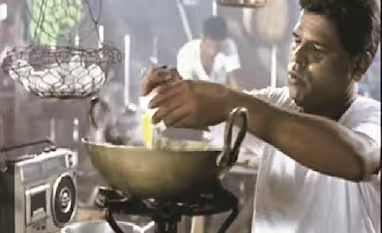
A group of carpenters living and cooking at their worksite can’t crack one particular egg. Then they spot a hen feeding from a leaking pack of Fevicol.
This concept was conceived by Piyush Pandey and filmmaker Prasoon Pandey. It is a near-dialogue-free ad that became the reference point for every Fevicol film that followed. It cemented “Fevicol ka jod hai, tootega nahi” in everyday Indian vocabulary.
Bus (2002) – The Cultural Landmark
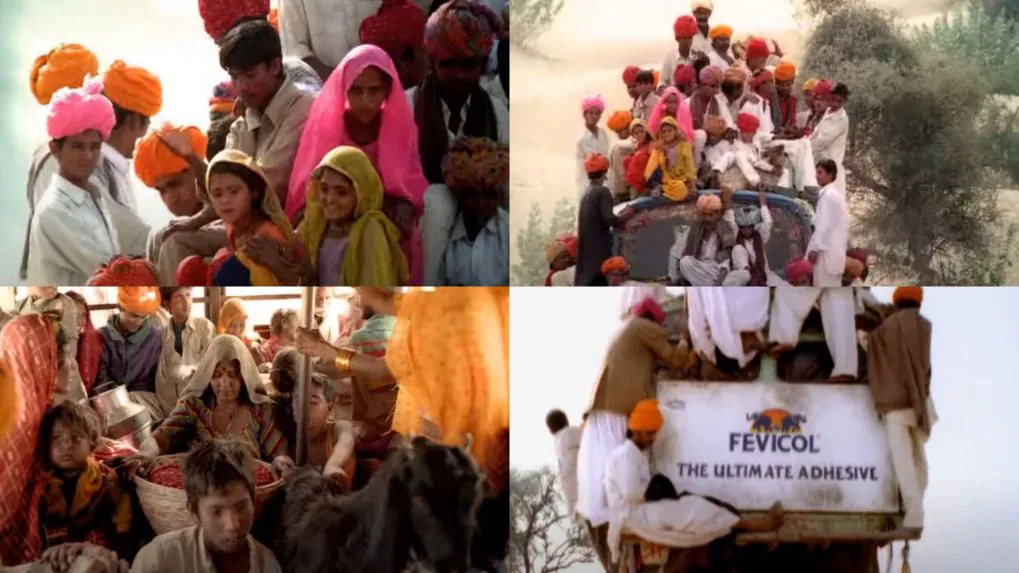
An old rural bus, already overloaded with passengers clinging to its roof and sides, keeps moving without anyone falling off. The final twist is a small Fevicol sticker on its rear.
It was shot in Jaisalmer by Prasoon Pandey’s Corcoise Films. This ad won a Silver Lion at Cannes Lions 2002, the first Indian ad to win at the festival in six years. It remains one of Indian advertising’s most-referenced films.
Moochwali (2009) – The Golden Jubilee Film
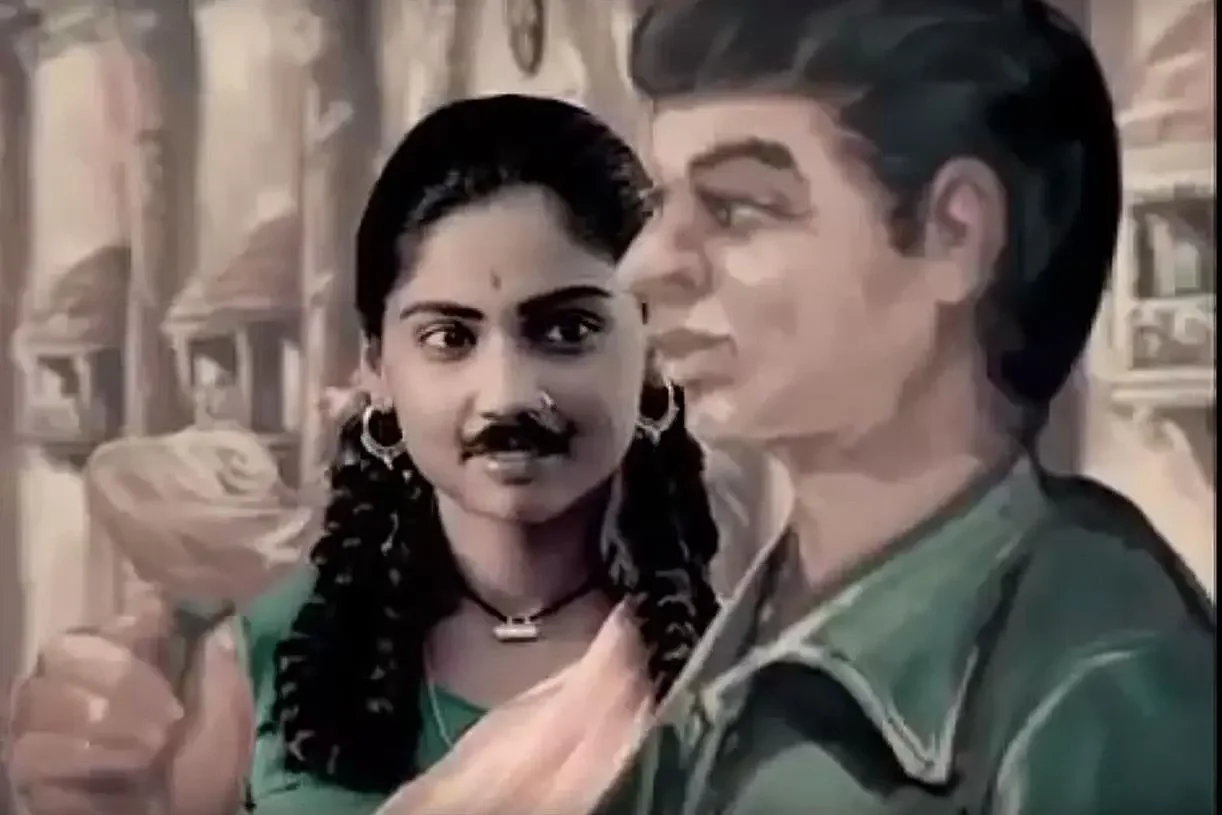
Made for Fevicol’s 50th anniversary, “Moochwali” follows a girl whose fake moustache glued on for a school play, stays with her through marriage, old age and, in a tongue-in-cheek twist, her reincarnation.
It was promoted as the “world’s shortest feature film” at 80 seconds with a cinema-style Mumbai premiere and a Cannes shortlist. It proved Fevicol could carry emotional storytelling without losing its “unbreakable bond” core.
The 60-Year Sofa (2019) – Nostalgic Brand Storytelling
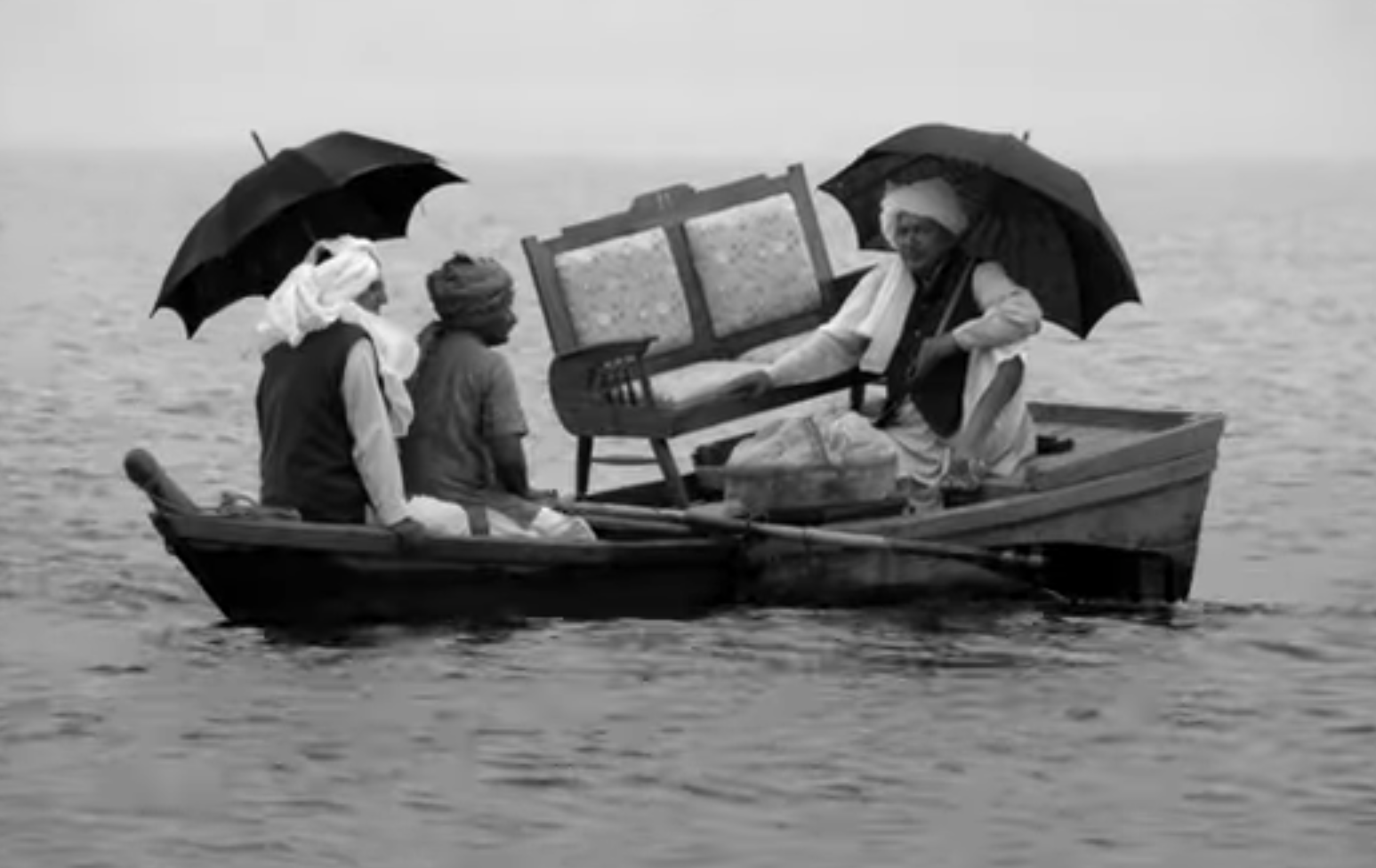
Marking six decades of Fevicol, Ogilvy created its longest-ever film. It has a sofa gifted to a newlywed couple that travels through generations of an Indian family across decades of social change, staying intact throughout.
It was also Fevicol’s first ad placed on OTT platforms like Hotstar, SonyLiv and Zee5.
Jugalbandi (2024) – Still Relevant, Decades Later
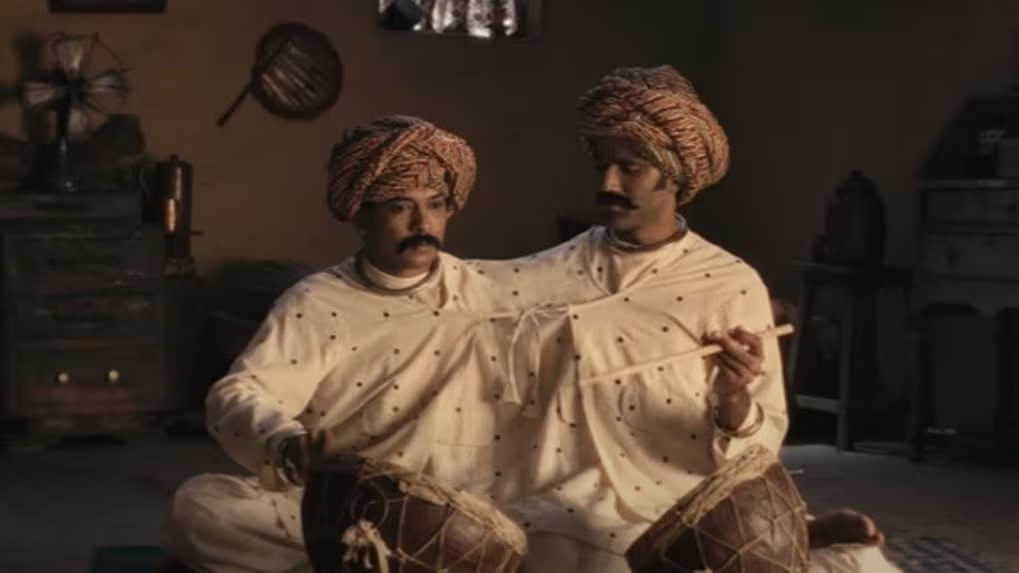
Marking the 100th birth anniversary of founder Balvantray Kalyanji Parekh, “Jugalbandi” tells the story of two brothers who got stuck together as children and stayed inseparable into adulthood.
It holds the tagline “Aisa Jode, Jodi Judi Rahe”. This stands as a proof that Fevicol’s humour-first playbook is still active nearly three decades after “Egg” first aired.
The Strategy Behind the Creativity
| Strategic Pillar | What Fevicol Did | Why It Mattered |
| One consistent idea | “Mazboot Jod,” told through absurd situations, repeated across decades | Let each new ad build on existing recall instead of starting over |
| Minimal dialogue | Visual gags carrying the story, not voiceovers | Worked across India’s languages and literacy levels |
| Humour before selling | Product benefit implied, never lectured | Created positive associations in an otherwise “boring” category |
| Everyday Indian settings | Overcrowded buses, carpenters, joint families, festivals | Made ads relatable and hard for global brands to copy |
| A long agency relationship | Pidilite and Ogilvy, partnered since the late 1970s | Allowed the creative system to be refined, not reinvented |
Become an AI-powered Digital Marketing Expert
Master AI-Driven Digital Marketing: Learn Core Skills and Tools to Lead the Industry!
Explore CourseBusiness Impact: From Ads to Market Leadership
| Metric | Fevicol’s Position |
| Adhesive market share | ~70% of India’s organised adhesives market |
| Revenue mix | Consumer & Bazaar segment (including Fevicol) makes up roughly 80% of Pidilite’s overall revenue |
| Company scale | Pidilite Industries reported consolidated revenue above ₹13,000 crore in FY25 |
| Advertising recognition | Silver Lion at Cannes Lions 2002 (Bus); Cannes shortlist for Moochwali (2009) |
| Brand longevity | Consistent “Mazboot Jod” creative platform running since 1996 |
Note:
Fevicol’s exact standalone revenue is not disclosed separately in recent filings, as Pidilite now reports under consolidated business segments.
How to Analyse a Fevicol-Style Ad: A 5-Step Framework
- The Hook: An absurd visual that breaks pattern in the first few seconds – people stuck to a moving bus, an unbreakable egg.
- The Story: A relatable Indian setting pushed to an extreme, with little to no dialogue.
- The Punchline: A visual or line that ties back to “unbreakable bond” without technical jargon.
- The Memory Anchor: One striking image that becomes shorthand for the brand – the egg, the bus, the moustache.
- Cultural Resonance: A reference to everyday Indian life that invites retelling.
Join Our Online Next Gen AI Digital Marketing Course & Learn the Fundamentals!
Conclusion
Fevicol’s advertising history reminds us that a “boring” product category doesn’t really stop anyone from having iconic advertisement concepts. What makes them stand out is that they consistently choose humour, visual storytelling and everyday Indian situations over technical claims.
By doing so, Fevicol turned adhesive into a recurring cultural moment. Nearly thirty years after the “Egg” ad first aired, the brand’s core idea has not changed.
For marketers, the lesson isn’t just about being funny. It is about picking one idea worth repeating, and having the discipline to keep repeating it well.
Frequently Asked Questions
What made Fevicol's ads so memorable?
Fevicol used exaggerated, humorous visuals rooted in everyday Indian life to imply strength rather than explain it. This made the ads entertaining first and informative second, driving higher recall than typical category advertising.
Which are Fevicol's most iconic ad campaigns?
The most-cited films are “Egg” (1996), “Bus” (2002), “Moochwali” (2009), the “60-Year Sofa” (2019) and “Jugalbandi” (2024), each reinforcing the same “unbreakable bond” idea through a different story.
Who created Fevicol's advertising campaigns?
Fevicol’s campaigns were largely created by Ogilvy, with adman Piyush Pandey and filmmaker Prasoon Pandey of Corcoise Films closely involved in most landmark films. This creative partnership has lasted since the late 1970s.
What is Fevicol's tagline?
Fevicol’s most recognised tagline is “Fevicol ka jod hai, tootega nahi” (Fevicol’s bond won’t break), now used in everyday Indian speech as a metaphor for any unbreakable relationship.
Why did Fevicol avoid technical or scientific claims in its ads?
Since adhesive is a low-involvement purchase, consumers rarely study technical specifications before buying. Fevicol judged that emotional recall and humour would influence decisions more effectively than lab-style demonstrations.
Is Fevicol still running new ad campaigns today?
Yes. In 2024, Fevicol released “Jugalbandi,” about two brothers who stayed inseparable after being glued together as children, timed to founder Balvantray Kalyanji Parekh’s 100th birth anniversary.
What can marketers learn from Fevicol's advertising strategy?
Marketers can learn the value of picking one strong creative idea and reinforcing it consistently over years, rather than resetting messaging each cycle. Visual storytelling and cultural specificity also travel further than generic, dialogue-heavy advertising.
What is the main takeaway from Fevicol's ad campaign case study?
Entertainment-first advertising can be a durable advantage in low-involvement categories. By staying consistent with one creative idea across decades, Fevicol built recall strong enough to translate into lasting market leadership.